


Artificial Stone in Commercial Spaces: Design and Practicality


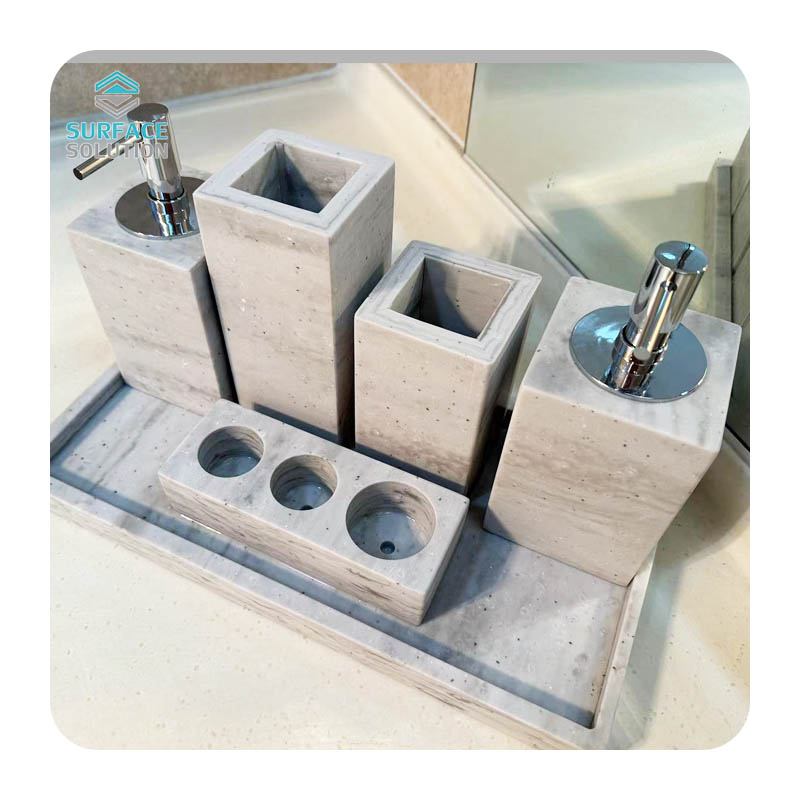
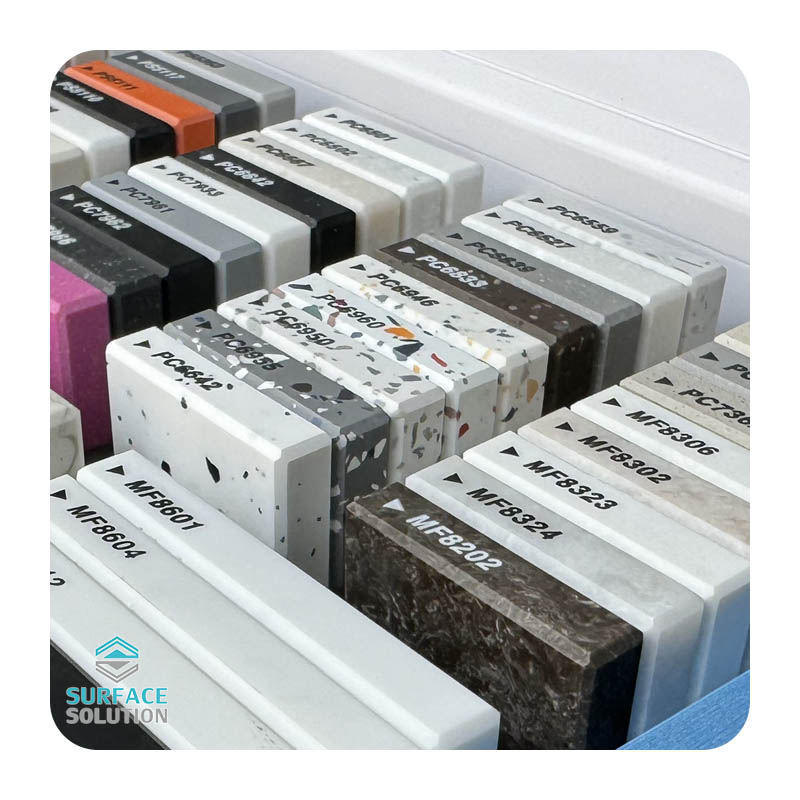
Unlike natural stone (which is limited to earth-bound hues) or quartz (which often relies on pre-set patterns), artificial stone can be formulated to match any color, shade, or tone—from bold brand signatures to subtle neutrals. For example, a boutique coffee chain might opt for warm, terracotta-toned artificial stone countertops to reinforce its “artisanal, cozy” identity, while a high-end tech store could choose sleek, matte gray surfaces to echo its minimalist, futuristic brand language. Manufacturers also offer texture customization: from smooth, polished finishes for luxury hotels to slightly textured surfaces for restaurants (to reduce glare and hide minor smudges). This flexibility ensures that every surface—whether a restaurant bar, hotel lobby desk, or retail display case—reinforces the brand’s visual narrative.

Restaurant backsplashes and countertops: Seamless surfaces prevent oil, sauce, or food particles from getting trapped, simplifying daily cleaning and maintaining a hygienic appearance.
Hotel reception desks: A seamless lobby counter exudes sophistication, avoiding the “broken” look of tiled or seamed materials and making a strong first impression on guests.
Retail display cases: Seamless artificial stone shelves or showcases keep focus on products, rather than surface joints, enhancing the perceived value of merchandise.
Impact resistance: Its resin-rich composition (20-30% resin, compared to quartz’s 5-10%) gives it flexibility, reducing the risk of cracking when heavy objects (e.g., a restaurant’s cast-iron skillet or a hotel guest’s luggage) are accidentally dropped. Unlike quartz, which often requires full replacement if cracked, artificial stone can be repaired on-site—minimizing downtime for businesses.
Wear resilience: While artificial stone has a lower Mohs hardness (5-6) than quartz, its surface is resistant to everyday scratches from keys, utensils, or shopping bags. For high-wear areas (e.g., retail checkout counters), manufacturers offer enhanced finishes that boost scratch resistance, ensuring surfaces retain their appearance for years.
Simplified cleaning: Unlike natural stone (which requires specialized cleaners to avoid etching), artificial stone can be wiped clean with mild soap and water or standard commercial disinfectants. This is critical for healthcare facilities (e.g., nurse stations) or restaurants, where frequent sanitization is mandatory.
Predictable sealing: While artificial stone benefits from annual sealing (to enhance stain resistance), this process is quick and affordable—especially compared to the quarterly sealing required for natural granite. Many commercial operators schedule sealing during off-hours (e.g., restaurant closed days or hotel low seasons), avoiding disruption to business.
On-the-spot repairs: Minor damage (e.g., a scratch on a hotel vanity or a chip in a retail display) can be fixed with a portable repair kit, often in under an hour. This eliminates the need to close off areas or replace entire surfaces— a major advantage for businesses where downtime equals lost revenue.
Lower initial costs: Artificial stone costs
80 per square foot (material only), compared to30−150 for quartz. For a restaurant with 200 square feet of countertops, this translates to savings of50−14,000 upfront.4,000−
Reduced installation expenses: Its lighter weight (15-20 pounds per square foot, vs. 20-25 pounds for quartz) means fewer installers and less specialized equipment are needed. A hotel lobby with a 150-square-foot reception desk could save
1,500 on installation alone.500−
Long-term savings: With proper maintenance, artificial stone has a lifespan of 15-20 years—comparable to quartz. Its low repair costs and minimal downtime further reduce total ownership costs, making it a budget-friendly choice for commercial operators.
In foodservice settings, artificial stone shines as countertops, backsplashes, and bar tops. Its non-porous (when sealed) surface resists oil, coffee, and tomato sauce stains, while seamless joints prevent food debris buildup. For example, a casual diner might use artificial stone for its breakfast bar—choosing a heat-resistant acrylic-polyester blend to withstand occasional hot plate contact—while a high-end bistro could opt for a custom marble-look artificial stone to mimic luxury without the high cost or maintenance of real marble.
Sustainable formulations: Manufacturers are increasingly using recycled resins and mineral fillers (e.g., post-consumer plastic waste or recycled aluminum hydroxide) to create eco-friendly artificial stone. This aligns with the growing trend of “green commercial buildings” (e.g., LEED-certified spaces) and appeals to environmentally conscious brands.
Digital customization: Advancements in digital printing allow artificial stone to replicate ultra-specific textures—from reclaimed wood to rare natural stone—at a fraction of the cost. This enables brands to create one-of-a-kind surfaces (e.g., a café counter printed with a custom mural) that stand out in competitive markets.
Multi-functional integration: New artificial stone variants include built-in features like LED lighting (for retail display cases) or heat resistance (for restaurant cooktops), expanding its utility in commercial spaces.
Related Blogs
-
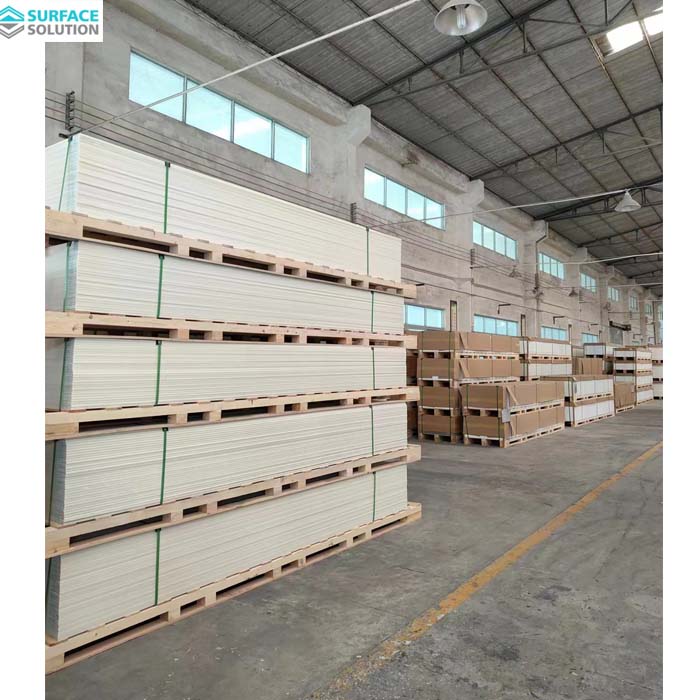 White acrylic solid surface remains a top-selling option for distributors, wholesalers and project contractors, widely specified for kitchen countertops, bathroom vanities, hotel vanity tops, commercial reception counters and custom tabletops. A common question from your downstream buyers is straigh
 -
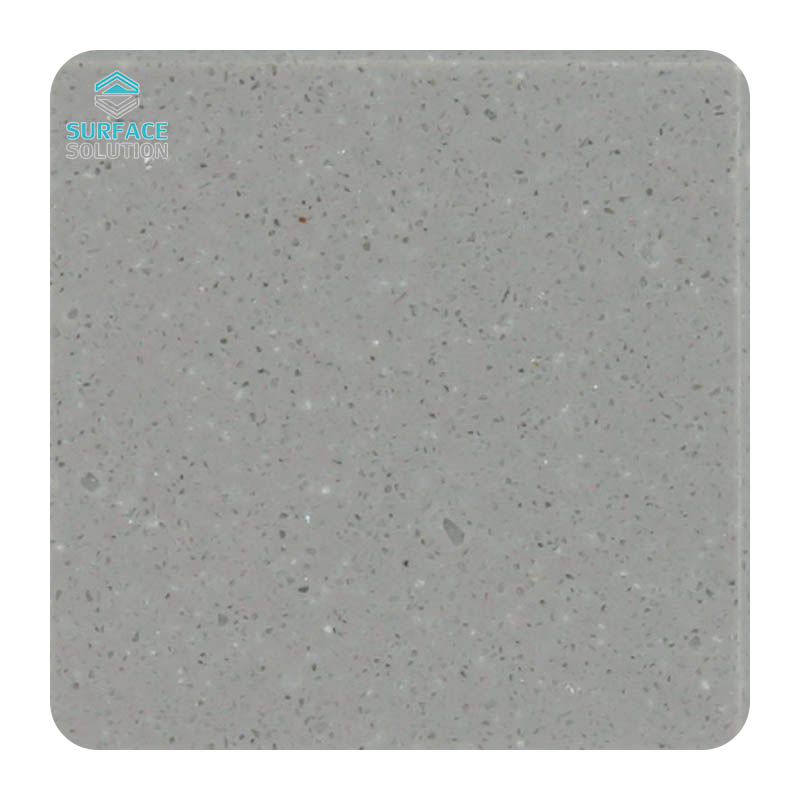 When renovating kitchens, bathrooms or commercial spaces, homeowners and designers often weigh different countertop materials. Acrylic solid surface is one of the most popular options, but a common question remains: is it durable enough for everyday use?Acrylic solid surface countertops are manufact
 -
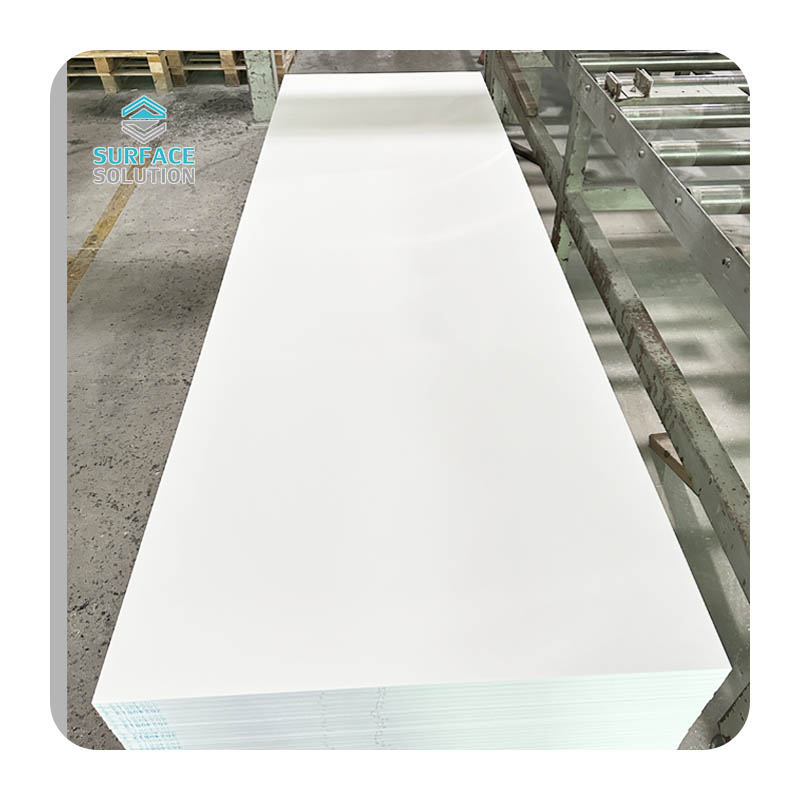 Acrylic solid surface is a premium engineered composite material widely used for kitchen countertops, vanity tops, wall panels, custom furniture and commercial interior projects. Many people confuse it with pure acrylic sheet or natural marble, but it is a carefully formulated blend of mineral powde
 -
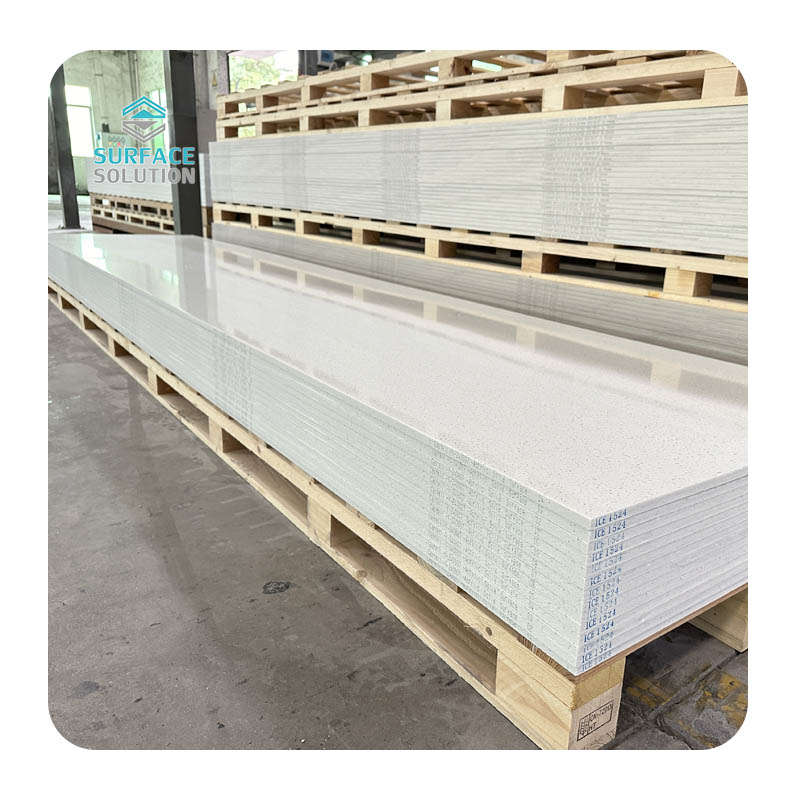 Kitchens and bathrooms are the most frequently used and easily worn spaces in residential and commercial buildings, where countertops face constant spills, moisture, friction, and daily stains. Compared with traditional materials such as natural marble, granite, quartz stone, and laminate, acrylic s


