


Artificial Stone Maintenance: Do's And Don'ts


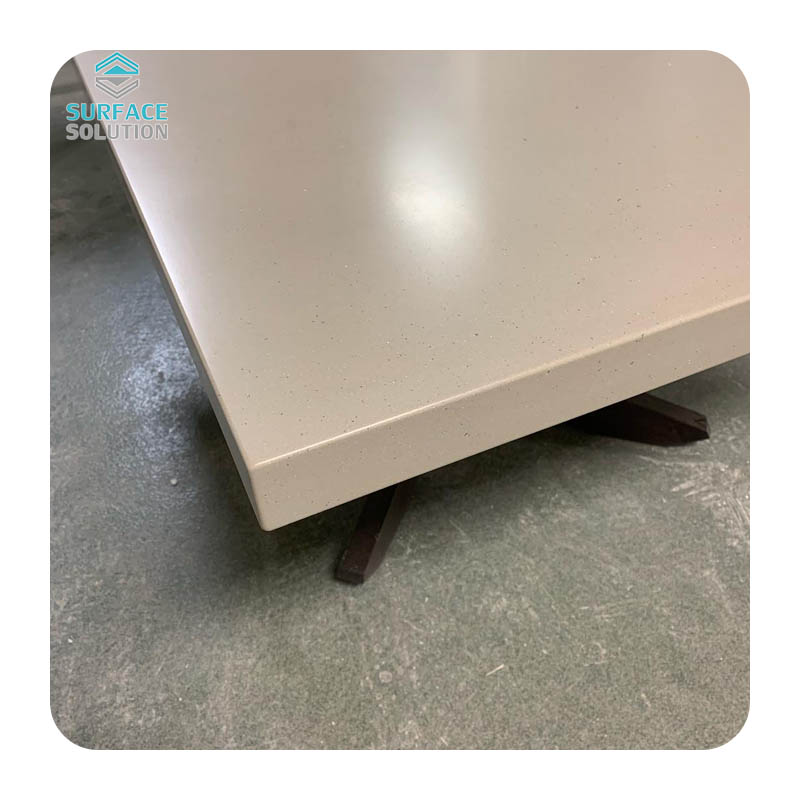
Artificial Stone Acrylic Maintenance: Do's and Don'ts
Artificial stone acrylic—crafted from a blend of acrylic resin, crushed natural stone aggregates, and pigments—has become a popular choice for countertops, vanity tops, and wall panels, thanks to its seamless appearance, high gloss finish, and moderate impact resistance. However, its acrylic resin core gives it unique care needs: it is more sensitive to high temperatures, strong solvents, and prolonged pressure than other artificial stone types (e.g., quartz composite). To preserve its sleek look and structural integrity, follow these targeted do’s and don’ts.
The Do's: Care Strategies for Acrylic Artificial Stone
1. Do Clean Daily with Mild, Solvent-Free Cleaners
Stick to pH-neutral, solvent-free cleaners to maintain acrylic’s glossy surface. Opt for mild dish soap mixed with warm water, or specialized acrylic stone cleaners (avoid those with acetone, alcohol, or ammonia). Use a soft microfiber cloth or non-abrasive sponge to wipe down surfaces—gently scrubbing only for stuck-on messes (e.g., dried cereal or sauce).
Why it matters: Acrylic resin is vulnerable to chemical breakdown from solvents. Even small amounts of acetone (found in some multipurpose cleaners) can dissolve the resin, causing the surface to lose gloss or develop sticky patches. Mild, solvent-free cleaners lift grime without damaging the resin matrix.
2. Do Address Stains Immediately—Especially Oil and Acidic Spills
Blot spills (never wipe) with a clean, dry cloth within 5–10 minutes of occurrence. For oil-based spills (e.g., cooking oil, lotion) or acidic liquids (e.g., lemon juice, vinegar), follow blotting with a damp cloth dipped in mild soap, then dry thoroughly. For tough stains (e.g., coffee or wine), use a paste of baking soda and water (non-abrasive) to gently lift the mark, rinsing immediately after.
Why it matters: While acrylic stone is non-porous, oil and acidic liquids can “etch” the surface over time—leaving faint, dull spots that are hard to reverse. Prompt cleaning prevents the liquid from reacting with the acrylic resin.
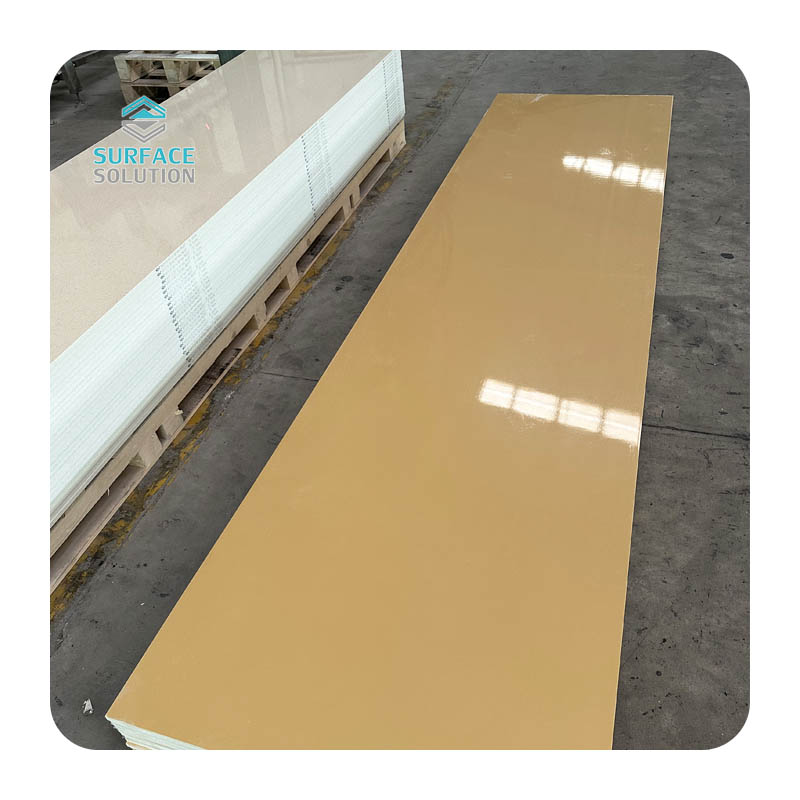
3. Do Polish Minor Scratches with Acrylic-Specific Polish
For light scratches (e.g., from utensils or keys), use a polish designed for acrylic artificial stone. Apply a small amount to a soft cloth, rub in circular motions for 1–2 minutes, then wipe clean with a damp cloth. For deeper scratches (visible to the eye), use a fine-grit sandpaper (400–600 grit) first, then follow with polish to restore gloss.
Why it matters: Acrylic’s resin-based structure has moderate flexibility, making it easier to repair minor scratches than rigid materials like quartz. Skipping polish will leave sanded areas dull, ruining the stone’s uniform sheen.
4. Do Use Thick Insulation Mats for Hot Items
Always place a thick, heat-resistant mat (e.g., silicone or cork) under hot objects—even moderately warm items like freshly brewed coffee pots or heated plates. Avoid placing anything hotter than 120°F (49°C) directly on the surface, as acrylic begins to soften at this temperature.
Why it matters: Acrylic has lower heat resistance than natural stone or quartz. Even 30 seconds of contact with a 150°F (66°C) pan can cause permanent warping or “blistering” of the resin, creating a raised, cloudy spot that cannot be fixed.
5. Do Redistribute Heavy Objects Regularly
If placing heavy appliances (e.g., microwaves, blenders) on acrylic countertops, move them slightly every 2–3 months. Use rubber pads under the appliances to distribute weight evenly, and avoid placing heavy items on overhanging edges (e.g., a 20+ lb mixer on a 6-inch counter overhang).
Why it matters: Acrylic exhibits “creep” (slow deformation under constant pressure) over time. A heavy appliance left in the same spot for months can cause the countertop to sag, especially on unsupported edges—leading to permanent bending or cracking.
The Don'ts: Practices That Damage Acrylic Artificial Stone
1. Don’t Use Solvent-Based or Abrasive Cleaners
Never use cleaners containing acetone, paint thinner, nail polish remover, ammonia, or bleach. These solvents dissolve acrylic resin, causing the surface to melt, discolor, or develop sticky, uneven patches. Also avoid scouring powders (e.g., Comet) or steel wool—they scratch the surface and destroy its glossy finish.
Example of what to avoid: Using nail polish remover to clean a makeup stain on an acrylic vanity top. The acetone will eat through the resin, leaving a white, rough mark that cannot be polished away.

2. Don’t Expose to Direct High Heat
Avoid placing hot cookware (e.g., cast-iron pans fresh from the stove), baking sheets, or hot water kettles directly on acrylic surfaces—even for a few seconds. This includes avoiding “heat shocks,” such as pouring boiling water into a cold acrylic sink or placing a hot lid on the countertop.
Why it matters: Unlike quartz (which withstands up to 300°F/149°C), acrylic’s resin softens at 120°F/49°C and melts at higher temperatures. Heat shock causes the material to expand and contract rapidly, leading to cracks that split through the entire thickness of the stone.
3. Don’t Ignore Edge and Corner Damage
Never brush off small chips or cracks on acrylic edges or corners. These areas are thinner and more prone to further damage—even a light bump from a vacuum cleaner or a dropped glass can turn a tiny chip into a full-length crack.
Why it matters: Acrylic’s flexibility means cracks spread faster than in rigid materials. A small chip on a countertop edge, if left untreated, can extend 6–12 inches within a few months, requiring costly replacement of the entire panel.
4. Don’t Use the Surface for “Rough” Tasks
Refrain from cutting food directly on acrylic (even with a dull knife), hammering nails, or scraping off dried paint with a putty knife. Also avoid dragging heavy objects (e.g., pots, serving trays) across the surface—always lift them instead.
Why it matters: Acrylic’s surface is softer than quartz or granite. Even a dull knife can leave deep scratches, and scraping with metal tools can gouge the resin. These damages are often too severe for polishing to fix, requiring professional resurfacing.
5. Don’t Let UV Rays Hit the Surface Long-Term
Avoid installing acrylic stone in areas with direct, unfiltered sunlight (e.g., a kitchen island next to a floor-to-ceiling window without curtains). If unavoidable, use UV-blocking window film or keep curtains closed during peak sunlight hours (10 AM–4 PM).
Why it matters: Acrylic resin fades and yellows when exposed to UV rays over time. A white acrylic countertop in direct sunlight may turn pale yellow within 2–3 years, and darker colors (e.g., black or gray) may fade to uneven shades—ruining the stone’s aesthetic appeal.
Conclusion
Artificial stone acrylic’s beauty and durability depend on understanding its unique sensitivity to heat, solvents, and pressure. By following these do’s—using mild cleaners, addressing spills fast, polishing scratches, and protecting against heat—and avoiding harmful practices like solvent use or direct high heat, you can keep your acrylic surfaces glossy and intact for 10–15 years. Remember: acrylic’s flexibility is a strength (for minor repairs) but also a weakness (for heat and pressure)—so treat it with gentle, consistent care. Whether it’s a kitchen countertop, bathroom vanity, or wall panel, mindful maintenance will ensure your acrylic artificial stone remains a sleek, long-lasting addition to your space.
Catalogue
Related Blogs
-
 White acrylic solid surface remains a top-selling option for distributors, wholesalers and project contractors, widely specified for kitchen countertops, bathroom vanities, hotel vanity tops, commercial reception counters and custom tabletops. A common question from your downstream buyers is straigh
 -
 When renovating kitchens, bathrooms or commercial spaces, homeowners and designers often weigh different countertop materials. Acrylic solid surface is one of the most popular options, but a common question remains: is it durable enough for everyday use?Acrylic solid surface countertops are manufact
 -
 Acrylic solid surface is a premium engineered composite material widely used for kitchen countertops, vanity tops, wall panels, custom furniture and commercial interior projects. Many people confuse it with pure acrylic sheet or natural marble, but it is a carefully formulated blend of mineral powde
 -
 Kitchens and bathrooms are the most frequently used and easily worn spaces in residential and commercial buildings, where countertops face constant spills, moisture, friction, and daily stains. Compared with traditional materials such as natural marble, granite, quartz stone, and laminate, acrylic s


