


Pairing Wall Colors with Your Bathroom Sink Furniture: A Guide to Acrylic Artificial Stone


Pairing Wall Colors with Your Bathroom Sink Furniture: A Guide to Acrylic Artificial Stone
The bathroom is no longer just a functional space—it has evolved into a personal retreat where aesthetics and practicality coexist harmoniously. Among the key elements shaping its design, acrylic artificial stone bathroom sink furniture stands out for its versatility, durability, and design flexibility. Unlike natural stone, acrylic artificial stone (a composite of acrylic resins, minerals, and pigments) offers unparalleled customization in color, texture, and shape, making it a favorite among homeowners and designers alike. However, to fully elevate the beauty of this modern material, choosing the right wall color is essential. The perfect wall and sink pairing can transform a mundane bathroom into a cohesive, inviting space that reflects your style while highlighting the unique qualities of acrylic artificial stone.
Before diving into color pairings, it’s important to understand why acrylic artificial stone is a standout choice for bathroom sinks. This engineered material boasts a non-porous surface that resists stains, moisture, and bacteria—ideal for the humid bathroom environment. It is lightweight yet durable, resistant to chipping and cracking, and easy to maintain with just mild soap and water. Most notably, acrylic artificial stone comes in over 300 colors, from classic neutrals to vibrant hues, and can even be custom-colored to match any design vision. Its smooth, sleek finish (available in matte, glossy, or textured options) also allows it to complement a wide range of wall colors, from soft pastels to bold statement shades.
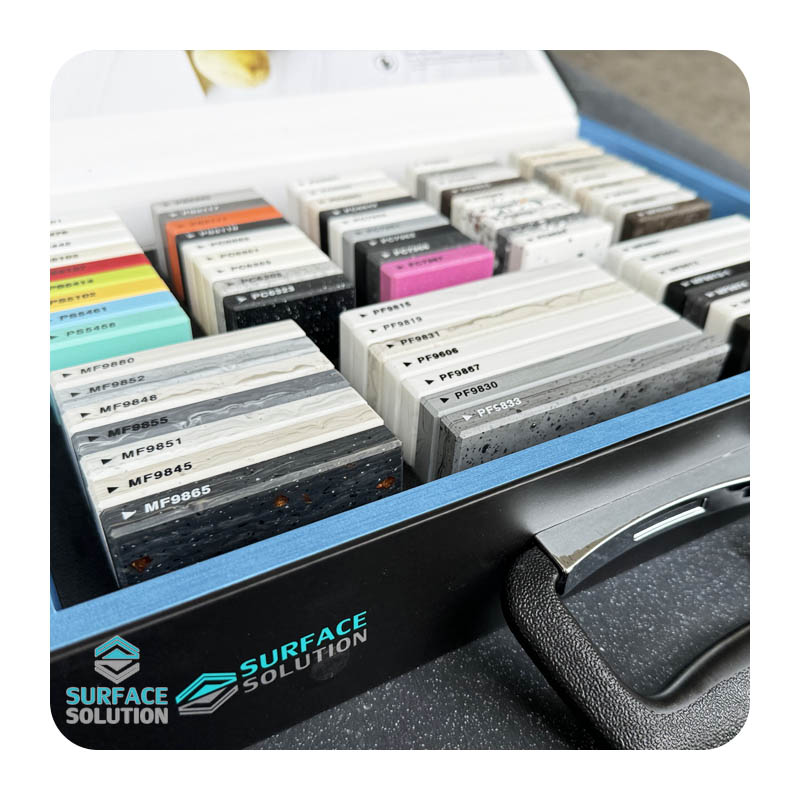
When pairing wall colors with acrylic artificial stone sink furniture, the goal is to create balance: enhance the sink’s color and texture without overwhelming the space. Below are curated, practical pairings that work for different styles and preferences, leveraging the unique properties of acrylic artificial stone.
1. Classic Neutrals: Timeless Elegance for Every Space
Neutral wall colors are a fail-safe choice for acrylic artificial stone sinks, as they allow the material’s subtle details and smooth finish to take center stage. For a clean, airy look that maximizes light—perfect for small or windowless bathrooms—pair white or off-white acrylic sinks with crisp white walls. This combination creates a timeless, spa-like ambiance, and you can add warmth with brushed nickel or chrome fixtures to avoid a sterile feel. If you prefer a softer neutral, opt for warm beige or greige (a blend of gray and beige) walls with a taupe or light gray acrylic sink. This pairing feels cozy and grounded, complementing the sink’s smooth texture while adding depth to the space.
For a touch of sophistication, consider charcoal gray walls with a white or light gray acrylic sink. The contrast between the dark walls and light sink creates a modern, luxurious vibe, especially in larger bathrooms with ample natural light. The non-porous, matte finish of acrylic artificial stone prevents it from appearing washed out against dark walls, instead adding a subtle shine that balances the moody tone. This pairing works beautifully with brass fixtures, which add a pop of warmth to the cool color palette.
2. Soft Pastels: Serenity and Warmth
Pastel wall colors are ideal for creating a calm, serene bathroom, and they pair beautifully with acrylic artificial stone sinks—especially those in soft, complementary shades. Sage green walls, for example, create a connection to nature and foster a restorative mood, making them a perfect match for white, light gray, or even soft green acrylic sinks. The earthy, muted tone of sage green enhances the smoothness of the acrylic material, while live plants (such as ferns or eucalyptus) can further elevate the biophilic design.
Light blue walls offer another serene option, pairing seamlessly with white, pale gray, or even light blue acrylic sinks. This combination evokes a sense of calm, reminiscent of a coastal retreat, and works well in bathrooms with natural light. For a warmer pastel choice, soft pink or peach walls complement white or cream acrylic sinks, adding a gentle, inviting touch without feeling overly feminine. The key with pastels is to keep the sink color slightly lighter or darker than the wall color to create subtle contrast and avoid a monochromatic, washed-out look.
3. Bold Hues: Making a Statement
If you’re looking to create a bold, eye-catching bathroom, acrylic artificial stone sinks are the perfect companion for vibrant wall colors—thanks to their ability to stand up to intense hues without clashing. Deep navy blue walls pair stunningly with white or light gray acrylic sinks, creating a dramatic, sophisticated look that feels both modern and timeless. The smooth, glossy finish of acrylic artificial stone reflects light, adding brightness to the dark walls and preventing the space from feeling too enclosed.
For a more playful vibe, consider terracotta or burnt orange walls with a white or beige acrylic sink. This warm, earthy hue brings a sun-baked, Mediterranean feel to the bathroom, and the neutral sink balances the bold wall color while highlighting its vibrancy. Acrylic artificial stone’s durability also makes it ideal for high-traffic bathrooms, as it resists fading from sunlight and daily use—ensuring your bold color scheme stays vibrant for years to come. For a truly unique look, opt for a custom-colored acrylic sink in a complementary shade (e.g., teal walls with a soft coral acrylic sink) to create a cohesive, statement-making space.
4. Textured Walls: Adding Depth to Acrylic’s Smoothness
Acrylic artificial stone’s smooth, uniform finish pairs beautifully with textured walls, creating a striking contrast that adds depth and visual interest to the bathroom. For example, textured beige or gray wallpaper (with subtle patterns like linen or stone) pairs well with a white or light gray acrylic sink. The texture of the walls adds warmth and dimension, while the smooth sink creates a clean, modern counterpoint.
Another option is textured tile walls (such as subway tile or natural stone-look tile) in neutral or soft hues, paired with an acrylic sink in a matching or complementary color. For instance, light gray textured tile walls with a charcoal gray acrylic sink create a cohesive, modern look, while white subway tile walls with a white acrylic sink offer a classic, timeless aesthetic with added texture. The key is to ensure the wall texture is subtle enough not to compete with the sink’s smooth finish—letting both elements shine without overwhelming the space.
Key Tips for Pairing Success
Consider lighting: Natural light enhances the true color of both the acrylic sink and walls, while artificial light (warm or cool) can alter their appearance. Test paint swatches in different lighting conditions before committing to a wall color.
Match finishes: Coordinate the sink’s finish (matte, glossy, textured) with the wall color’s intensity—glossy acrylic sinks pair well with soft, muted walls, while matte sinks complement bold, vibrant walls.
Leverage customization: Since acrylic artificial stone can be custom-colored, don’t hesitate to match or complement the sink to your wall color for a truly cohesive look.
Keep it balanced: If using a bold wall color, opt for a neutral acrylic sink, and vice versa—this ensures the space feels intentional and not chaotic.
Acrylic artificial stone bathroom sink furniture offers endless design possibilities, and the right wall color can elevate its beauty while creating a space that feels personal and inviting. Whether you prefer classic neutrals, soft pastels, bold hues, or textured walls, the versatility of acrylic artificial stone ensures a seamless pairing that balances aesthetics and functionality. By considering the material’s unique properties—its smooth finish, color customization, and durability—you can create a bathroom that not only looks stunning but also stands the test of time.
Related Blogs
-
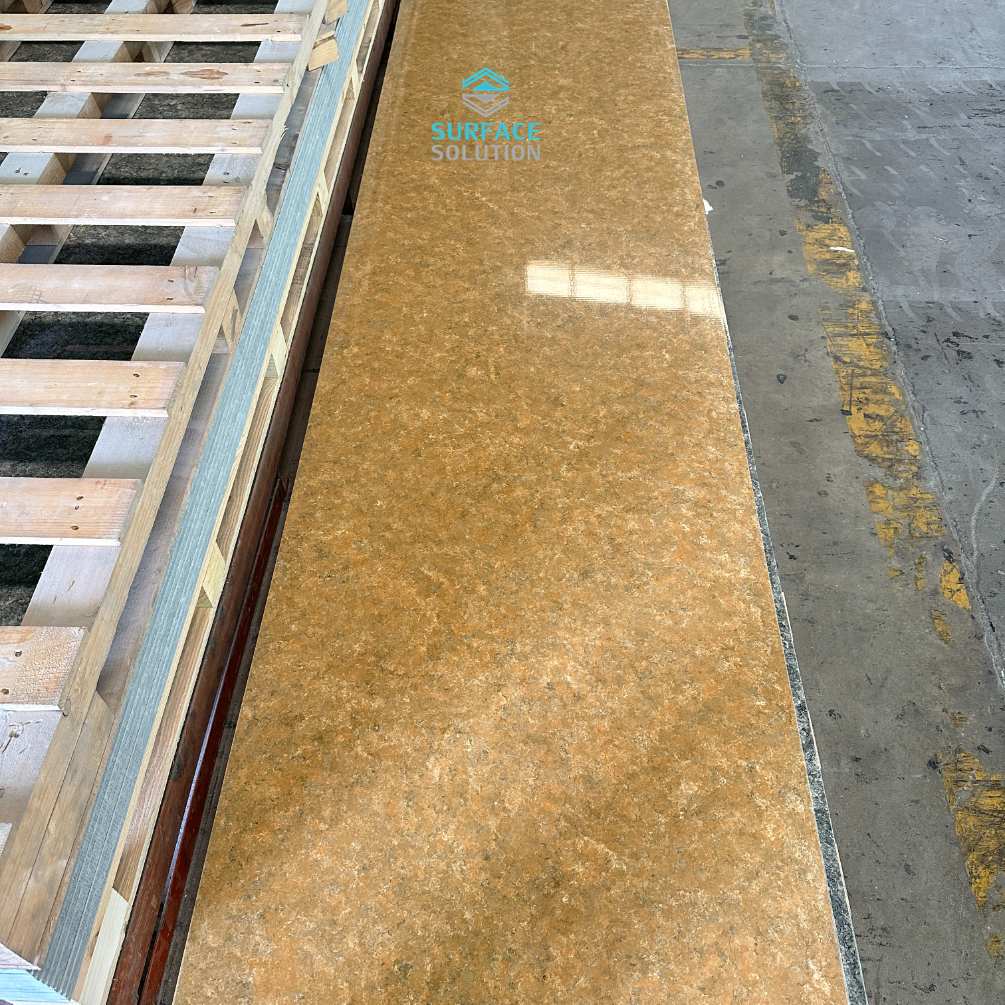 Wholesale Acrylic Solid Surface Slabs: Ultimate Material Solution for Countertop FabricatorsIn the competitive countertop manufacturing and renovation industry, material quality, processing flexibility, and cost efficiency are the three core factors that determine a fabricator’s market competitivene
 -
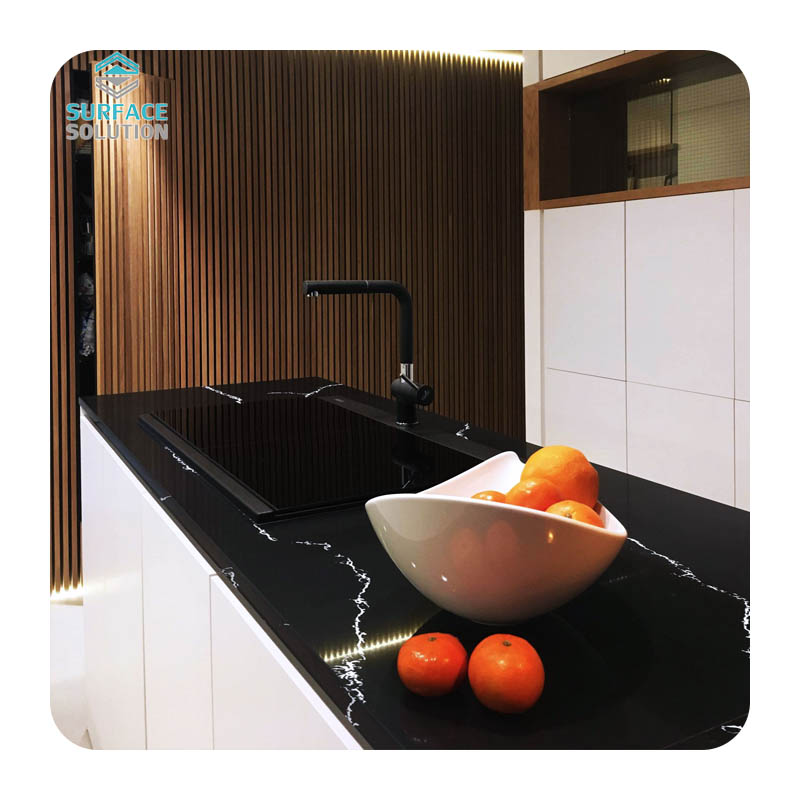 In modern residential and commercial interior design, vanity tops and kitchen islands serve as both functional core fixtures and key aesthetic focal points. These high-frequency usage surfaces require materials that balance outstanding durability, reliable hygiene, flexible design potential, and eff
 -
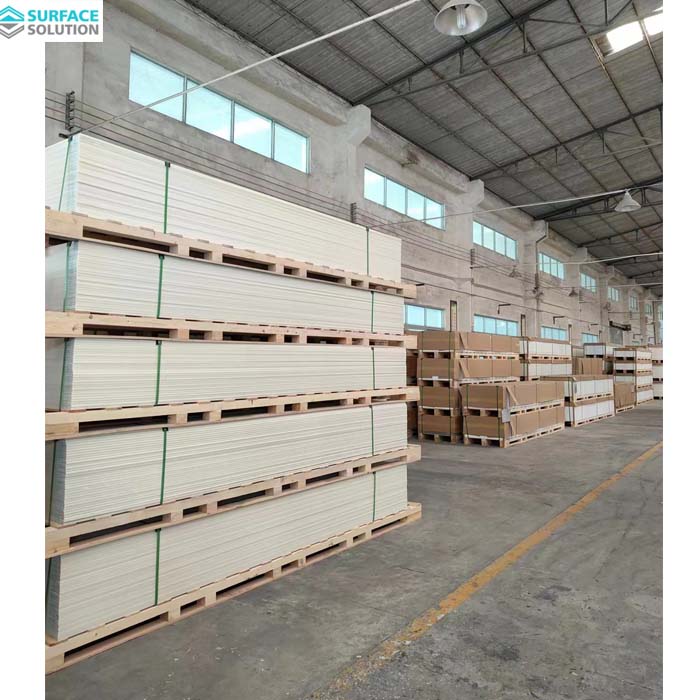 White acrylic solid surface countertops have become a top-tier mainstream choice for modern residential renovation and commercial space design, balancing minimalist timeless aesthetics, superior physical performance and long-term cost-effectiveness. Compared with traditional granite, quartz stone an
 -
 Custom Size Acrylic Solid Surface Panels for Interior RenovationInterior renovation projects often come with non‑standard dimensions, unique layout requirements and personalized design visions. Off‑the‑shelf building materials frequently fail to fit special wall sections, counter layouts or feature


