


Why Solid Surface Vanity Tops Are The Best Choice for Modern Bathrooms


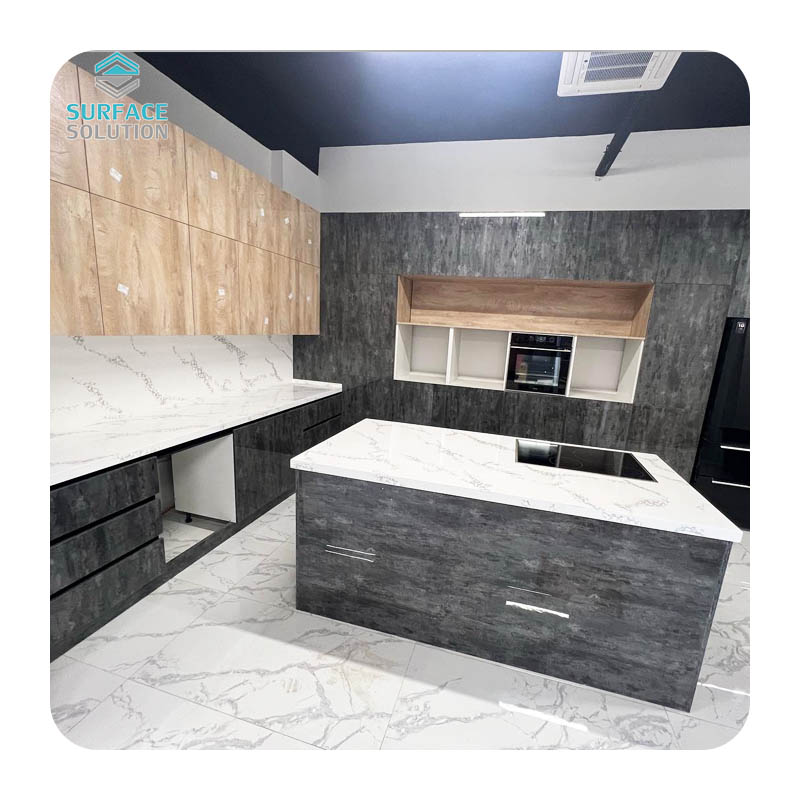
Solid surface vanity tops have become a popular and practical choice for homeowners seeking a sleek, functional, and durable solution for bathroom remodels. Whether you’re building a new home or upgrading your current bathroom, solid surface vanity tops offer a perfect blend of aesthetics and performance.
In this article, we’ll explore the advantages of solid surface vanity tops, answer commonly asked questions like "Is solid surface good for bathroom vanity top?", and help you understand why these tops are a go-to for both residential and commercial projects. We'll also guide you toward a trusted brand: solid surface acrylic, a leading provider of custom bathroom vanity solutions.
What Are Solid Surface Vanity Tops?
Solid surface vanity tops are engineered surfaces made from a blend of acrylic, polyester resins, and natural minerals. These non-porous materials are designed to mimic the appearance of natural stone while offering superior performance in wet environments like bathrooms.
They often come as solid surface vanity tops for bathrooms with optional features such as integrated sinks, seamless backsplashes, and custom edge designs.

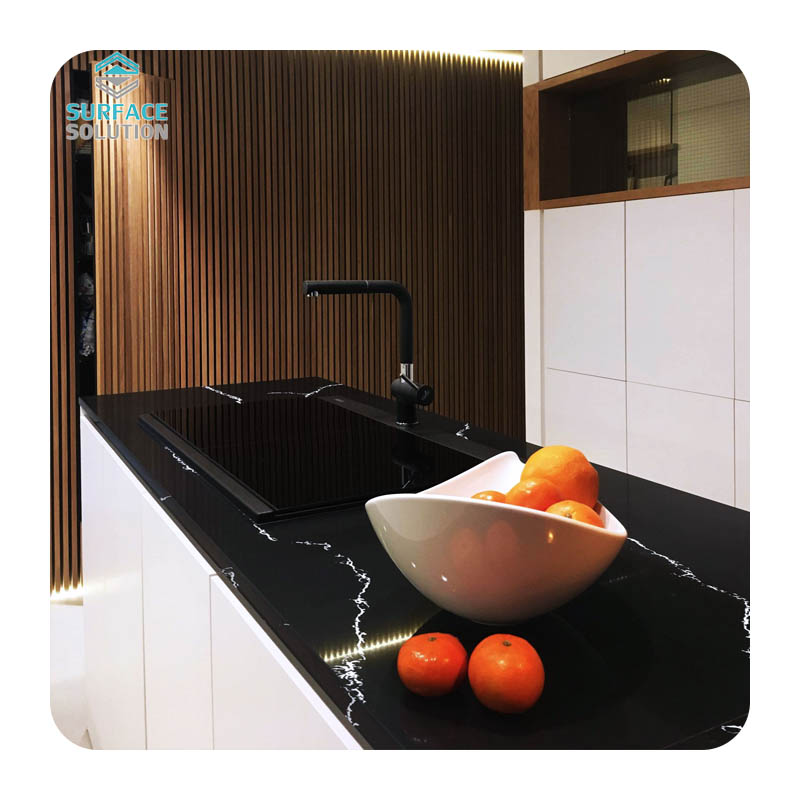
Advantages of Solid Surface Vanity Tops
Here’s why solid surface vanity tops stand out compared to other materials like granite, quartz, or ceramic:
| Feature | Solid Surface Vanity Tops | Other Materials |
|---|---|---|
| Non-porous & Hygienic | Resists mold, mildew, and bacteria | Stone and ceramic may absorb moisture |
| Easy to Clean & Maintain | Just wipe with mild soap and water | Natural stone may need sealing |
| Seamless Design | Can be molded with integrated sinks | Other tops often have visible seams |
| Customizable Colors & Shapes | Available in many colors, can be cut to any shape | Natural stone is less customizable |
| Repairable & Long-lasting | Scratches and dents can be sanded out | Chips in stone or ceramic are permanent |
| Affordability | More cost-effective than high-end quartz or marble | Marble and quartz are often pricier |
Is Solid Surface Good for Bathroom Vanity Top?
Yes, solid surface is excellent for bathroom vanity tops. Here's why:
Water Resistance: Bathrooms are constantly exposed to moisture. Solid surface materials are completely non-porous, making them resistant to water absorption and swelling—unlike wood or stone-based tops.
Low Maintenance: There’s no need for sealing, waxing, or special care. A simple wipe-down is enough to keep it clean.
Seamless Appearance: Solid surface vanity tops often feature integrated sinks, meaning there are no joints or seams where grime can collect.
Hygienic Properties: With no cracks or pores, bacteria and mold have nowhere to grow—an essential quality for any bathroom surface.
Repairable Surface: Minor scratches or stains can easily be sanded out, unlike stone which may require complete replacement.
Popular Styles of Solid Surface Vanity Tops
Let’s break down some of the most common and popular configurations:
1. Solid Surface Vanity Tops with Integrated Sink
These are one-piece tops where the sink is built directly into the surface. Benefits include:
Easy cleaning due to no gaps or seams
Modern and minimal aesthetic
Reduces the need for additional sink installation
2. Solid Surface Vanity Tops for Bathrooms with Backsplash
Adding a backsplash made of the same material prevents water damage to walls and maintains design consistency.
3. Double Sink Vanity Tops
Ideal for shared bathrooms. Solid surface allows easy fabrication of dual sinks into a seamless counter.
4. Floating Vanity Tops
Modern bathrooms often use wall-mounted or “floating” vanity tops made from solid surface materials for a sleek, open-space look.
Installation Considerations
Installing a solid surface vanity top is generally straightforward. It can be:
Custom-fabricated to fit your exact space
Installed over cabinetry or mounted to the wall
Fitted with undermount or integrated sinks
Professional installation is recommended for cutting and sealing edges, though many tops come pre-finished for DIY-friendly installation.

Design Flexibility
One of the greatest benefits of solid surface vanity tops is the sheer number of customization options:
Colors & Patterns: From pure whites to marbled or speckled effects
Edge Profiles: Beveled, rounded, square, ogee, and more
Sink Shapes: Oval, rectangular, or custom molds
Counter Lengths: Standard and custom dimensions available
This makes solid surface an ideal choice for both traditional and contemporary bathroom designs.
Cost Efficiency
Solid surface vanity tops are more affordable than granite or quartz, especially when considering long-term maintenance costs.
| Material | Approx. Price Range (per sq. ft.) |
|---|---|
| Solid Surface | $40 – $80 |
| Quartz | $70 – $120 |
| Marble | $100 – $200 |
| Laminate | $10 – $30 |
Given the balance between cost, aesthetics, and durability, solid surface offers some of the best value for money.
Maintenance Tips
Maintaining your solid surface vanity top is simple:
Use mild soap and water for daily cleaning
Avoid abrasive pads; use soft cloths or sponges
For minor scratches, buff with fine sandpaper (600 grit)
Avoid placing hot tools (curling irons) directly on the surface
Use cutting boards—do not cut directly on the countertop
Frequently Asked Questions (FAQ)
Q1: Is solid surface more durable than quartz?
Solid surface is slightly softer than quartz but offers repairability. Quartz is harder but not repairable if chipped.
Q2: Can solid surface tops be customized?
Yes. They can be cut, molded, and colored to fit virtually any bathroom style.
Q3: Is a solid surface vanity top with integrated sink worth it?
Absolutely. The seamless integration makes cleaning easier and the look is much more modern.
Q4: Do solid surface vanity tops stain?
They resist most stains, but it's best to clean spills quickly. Stubborn stains can be removed with a mild abrasive.
Q5: Can I install a solid surface vanity top myself?
Yes, especially if it’s a pre-fabricated piece. However, custom installations may require a pro for the best results.
Conclusion: Why Choose Solid Surface Vanity Tops?
When upgrading your bathroom, you want a surface that’s beautiful, functional, and built to last. Solid surface vanity tops check all the boxes:
Seamless and elegant look
Resistant to water, bacteria, and wear
Easy to maintain and repair
Customizable to any design preference
Whether you're installing a solid surface vanity top with integrated sink or a floating double-sink setup, you’re investing in quality and long-term performance.
Recommended Brand: Solid Surface Acrylic
If you’re looking for top-quality vanity tops, we highly recommend Solid Surface Acrylic, a trusted name in durable and customizable bathroom surfaces.

Brand: Solid Surface Acrylic
Email Contact: sales7@surface-s.com
Phone Contact: +86-13316717867
Their expertise in manufacturing and fabricating solid surface vanity tops for bathrooms ensures you’ll receive a high-quality product tailored to your space and style. Reach out today to explore your design options or get a custom quote.
By investing in solid surface materials, you’re choosing timeless design and performance—perfect for any bathroom renovation.
solid surface vanity tops
solid surface vanity tops for bathrooms
solid surface vanity top with integrated sink
Related Blogs
-
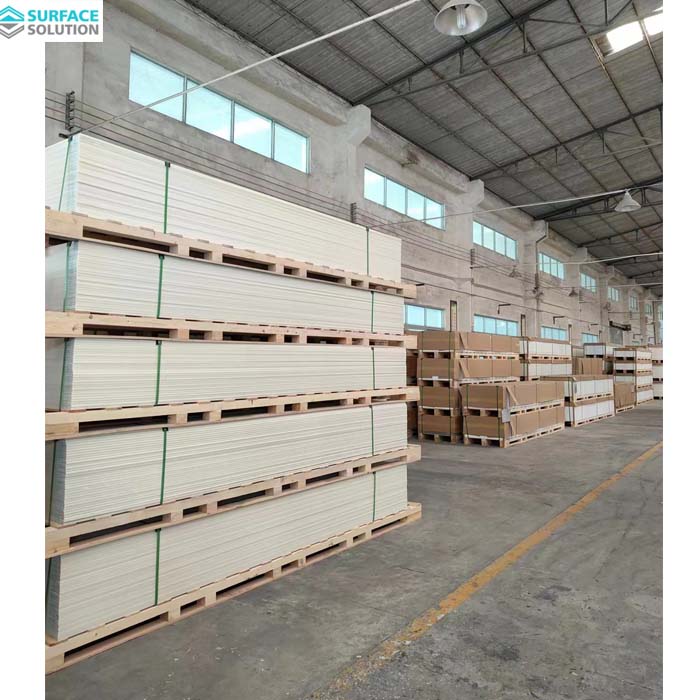 White acrylic solid surface remains a top-selling option for distributors, wholesalers and project contractors, widely specified for kitchen countertops, bathroom vanities, hotel vanity tops, commercial reception counters and custom tabletops. A common question from your downstream buyers is straigh
 -
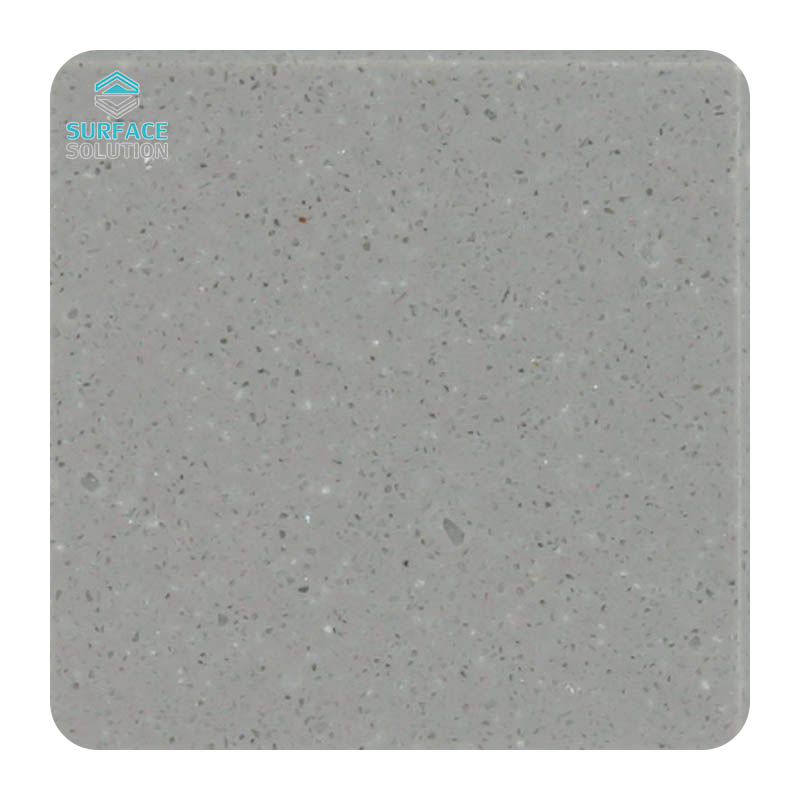 When renovating kitchens, bathrooms or commercial spaces, homeowners and designers often weigh different countertop materials. Acrylic solid surface is one of the most popular options, but a common question remains: is it durable enough for everyday use?Acrylic solid surface countertops are manufact
 -
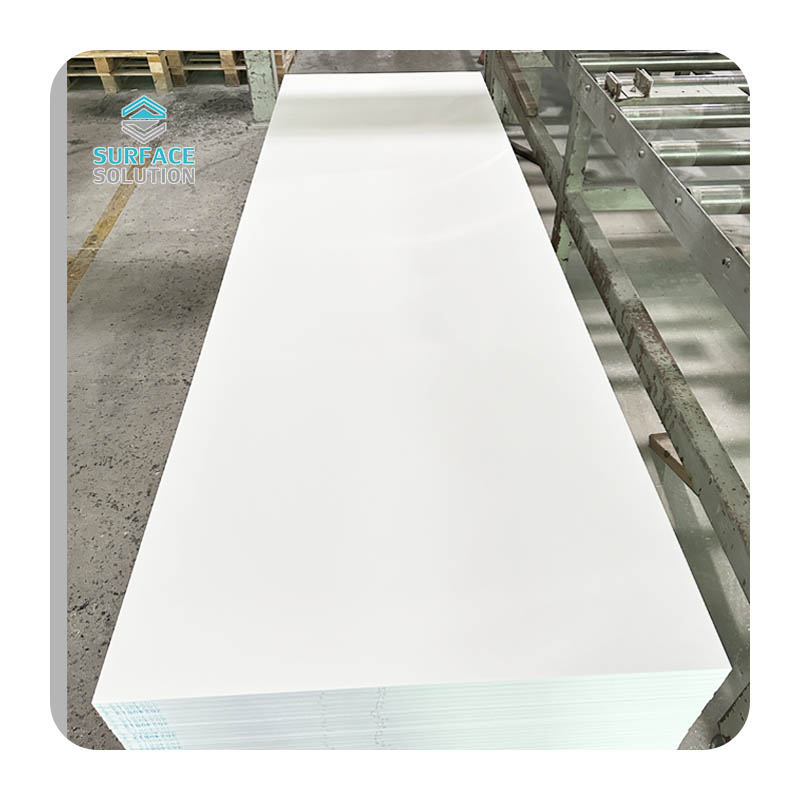 Acrylic solid surface is a premium engineered composite material widely used for kitchen countertops, vanity tops, wall panels, custom furniture and commercial interior projects. Many people confuse it with pure acrylic sheet or natural marble, but it is a carefully formulated blend of mineral powde
 -
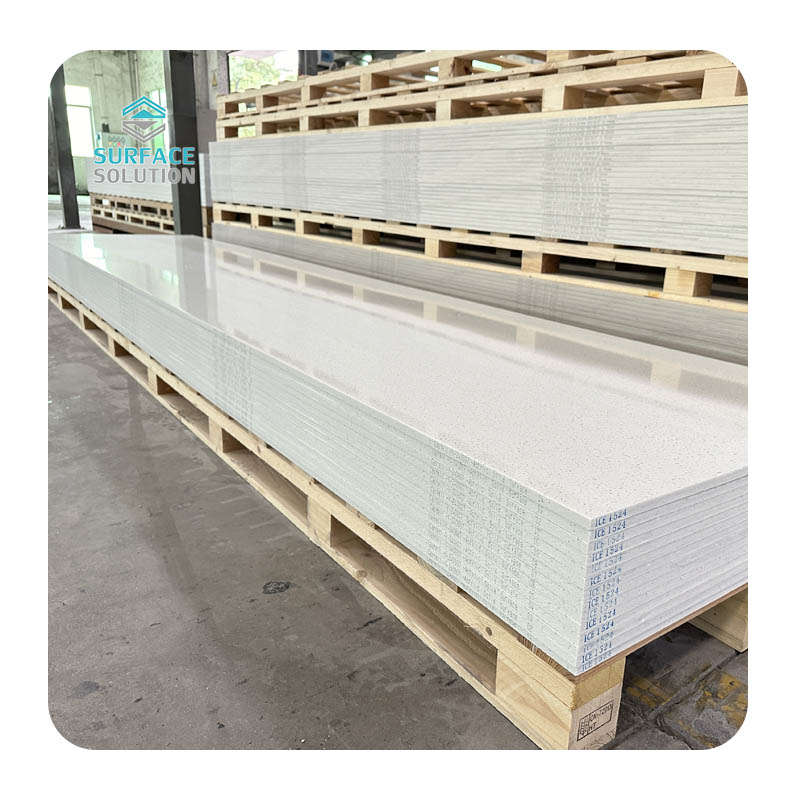 Kitchens and bathrooms are the most frequently used and easily worn spaces in residential and commercial buildings, where countertops face constant spills, moisture, friction, and daily stains. Compared with traditional materials such as natural marble, granite, quartz stone, and laminate, acrylic s


