


Acrylic Resin: Acrylic-based solid surface (e.g., brands like Corian®) is prized for its non-porous nature, resistance to stains, and ability to be seamlessly repaired. MMA monomers polymerize (link together) during manufacturing to form a strong, flexible matrix. This flexibility prevents cracking from minor impacts or temperature changes—a major advantage over brittle materials like stone.
Polyester Resin: Polyester-based solid surface is often used in more budget-friendly options. While it shares some durability with acrylic, it is slightly more porous and less resistant to harsh chemicals (like strong cleaners). It also tends to fade faster under prolonged sunlight compared to acrylic.
In most formulations, resins make up 25–35% of the material’s total weight, striking a balance between strength and workability.
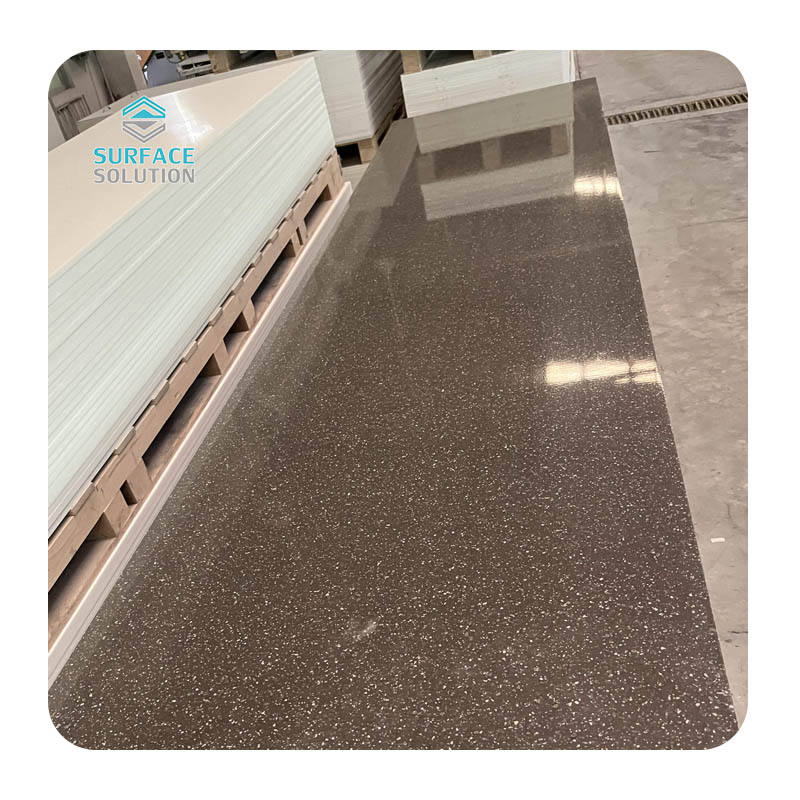
Strength and Stability: It reinforces the resin matrix, making solid surface resistant to scratches, impacts, and warping. Without ATH, the resin would be too soft and prone to deformation.
Fire Resistance: ATH contains water molecules (chemically bound as hydroxyl groups). When exposed to high heat, these molecules release as steam, cooling the material and slowing the spread of fire—an important safety feature for indoor surfaces.
Pigments: These are mixed into the resin-filler blend to create solid hues (white, gray, black) or veined patterns that mimic marble, quartz, or wood. High-quality pigments are resistant to fading, ensuring the surface retains its color for decades.
Additives: These include:
UV Stabilizers: Prevent discoloration from sunlight (critical for surfaces near windows).
Flow Agents: Ensure the mixture spreads evenly during manufacturing, avoiding air bubbles or uneven texture.
Antimicrobial Additives: Some formulations include silver ions or other compounds to inhibit the growth of bacteria, making solid surface ideal for kitchens and bathrooms.
Additives and pigments make up just 2–5% of the material, but they are essential for both aesthetics and long-term performance.
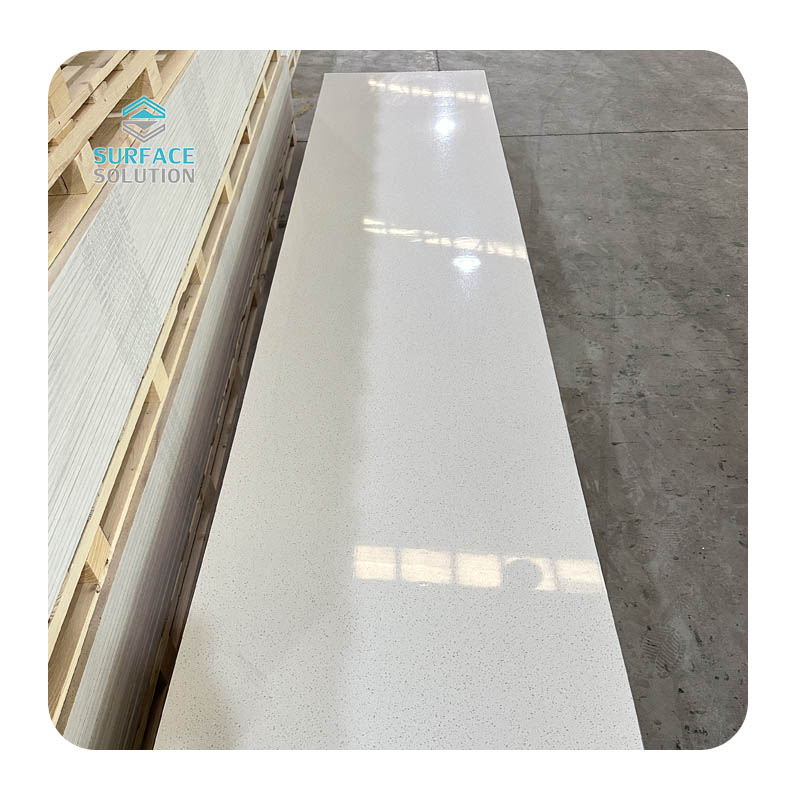
Mixing: Resins, ATH filler, pigments, and additives are combined in a large mixer to create a homogeneous, dough-like paste. The consistency is carefully controlled—too thin, and the mixture will shrink excessively; too thick, and it will be hard to mold.
Molding or Extrusion: The paste is either poured into molds (for custom shapes like sinks or large countertops) or pushed through an extruder (for standard sheets, usually 36–60 inches wide and ½–1 inch thick). Molds are often lined with a thin "gel coat"—a pure resin layer—that gives the surface a smooth, glossy finish.
Curing: The molded material is heated in an oven (or left to cure at room temperature for polyester-based blends) to trigger polymerization. During curing, the resin monomers link into long chains, hardening the mixture into a solid, rigid surface. This step can take several hours, depending on the thickness of the material.
Finishing: After curing, the solid surface is sanded, polished, and trimmed to the desired size. Edges are smoothed, and seams between sheets are fused using resin adhesive—creating the "seamless" look that sets solid surface apart from tile or laminate.
Seamless Installation: Unlike tile (which has grout lines that trap dirt) or natural stone (which requires sealing), solid surface can be joined without visible seams, making it easy to clean and hygienic.
Repairability: Minor scratches or chips can be sanded and polished away, restoring the surface to its original condition—something not possible with quartz or marble.
Versatility: It can be molded into almost any shape, from curved countertops to integrated sinks, allowing for creative design solutions.
Non-Porosity: Acrylic-based solid surface is completely non-porous, meaning it won’t absorb liquids, stains, or bacteria—ideal for food preparation areas.
Related Blogs
-
 Wholesale Acrylic Solid Surface Slabs: Ultimate Material Solution for Countertop FabricatorsIn the competitive countertop manufacturing and renovation industry, material quality, processing flexibility, and cost efficiency are the three core factors that determine a fabricator’s market competitivene
 -
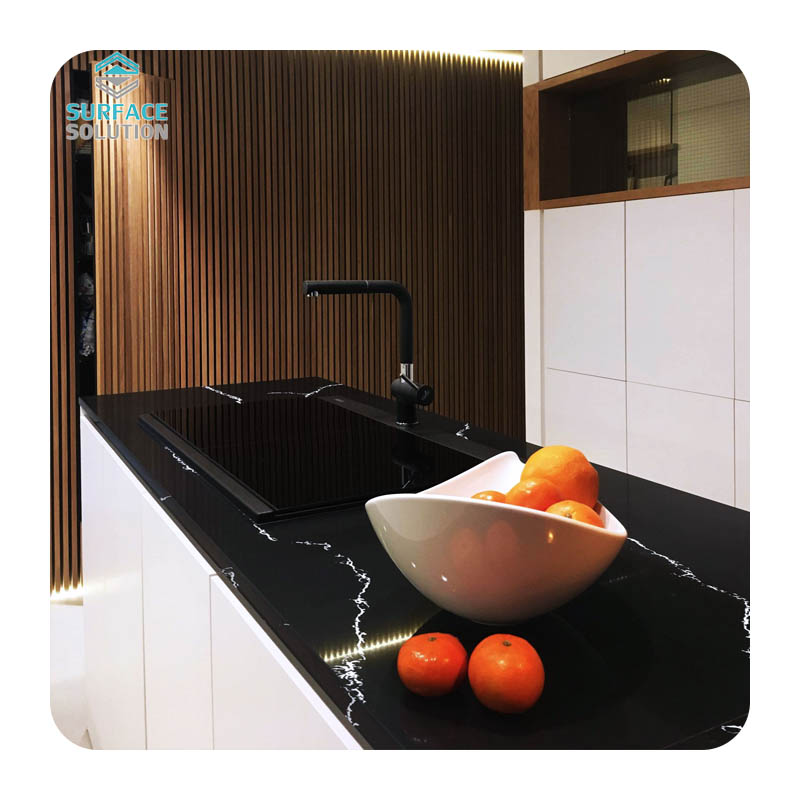 In modern residential and commercial interior design, vanity tops and kitchen islands serve as both functional core fixtures and key aesthetic focal points. These high-frequency usage surfaces require materials that balance outstanding durability, reliable hygiene, flexible design potential, and eff
 -
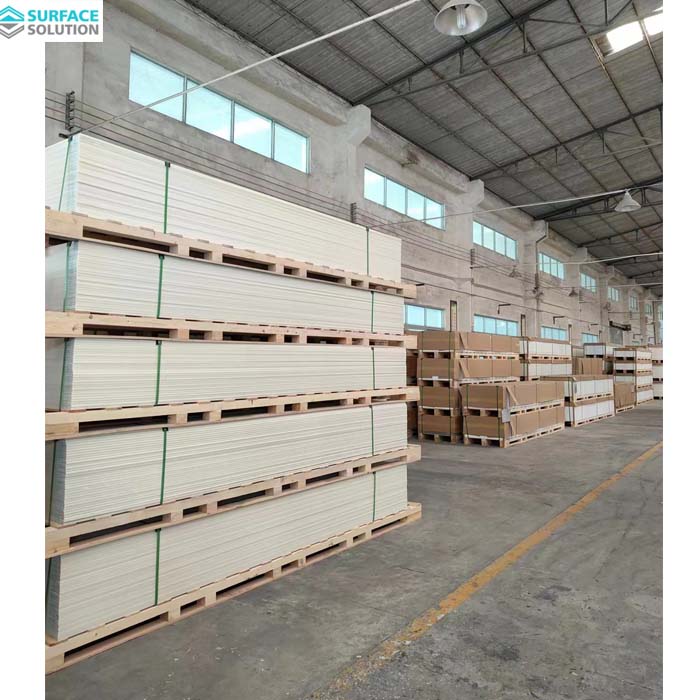 White acrylic solid surface countertops have become a top-tier mainstream choice for modern residential renovation and commercial space design, balancing minimalist timeless aesthetics, superior physical performance and long-term cost-effectiveness. Compared with traditional granite, quartz stone an
 -
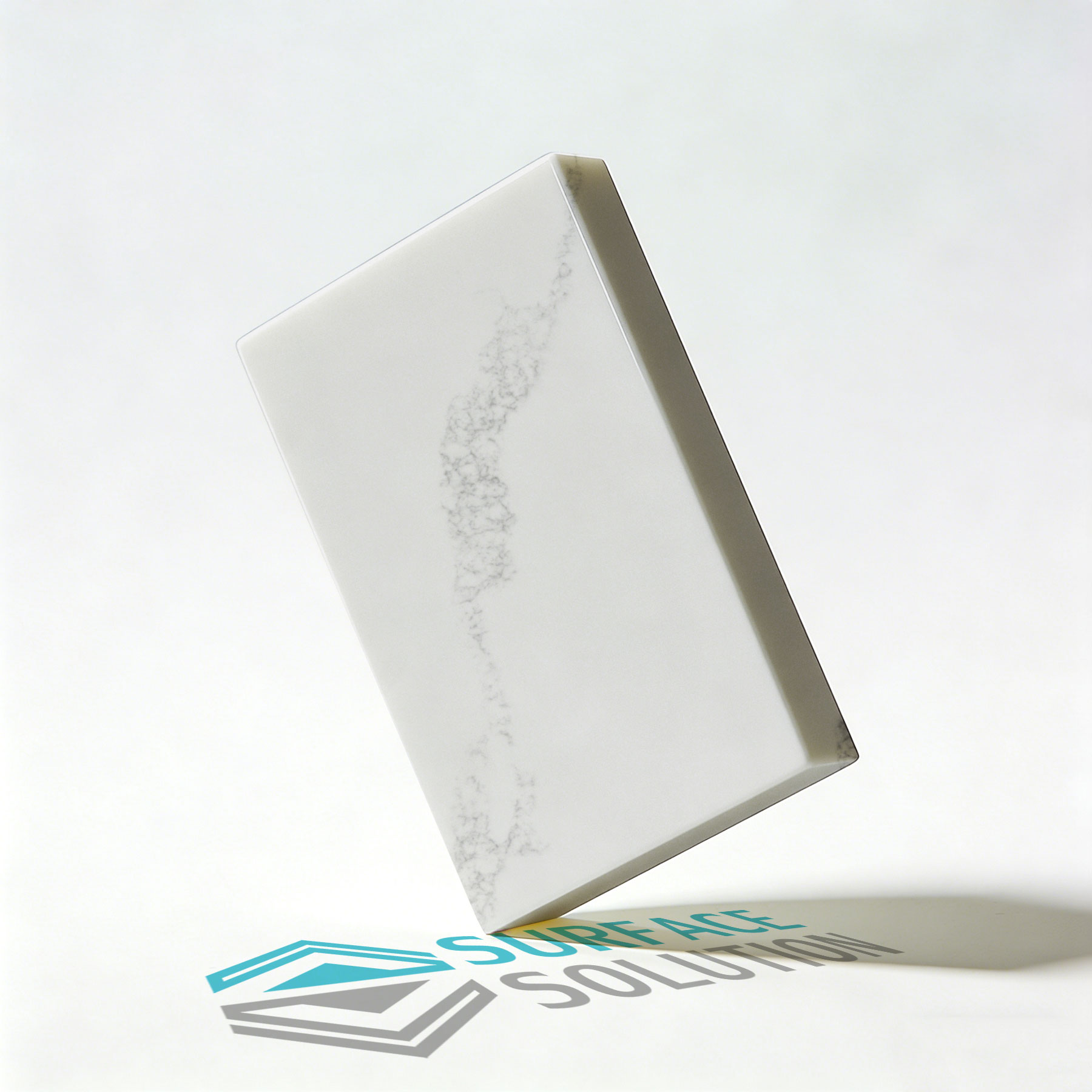 Custom Size Acrylic Solid Surface Panels for Interior RenovationInterior renovation projects often come with non‑standard dimensions, unique layout requirements and personalized design visions. Off‑the‑shelf building materials frequently fail to fit special wall sections, counter layouts or feature


