


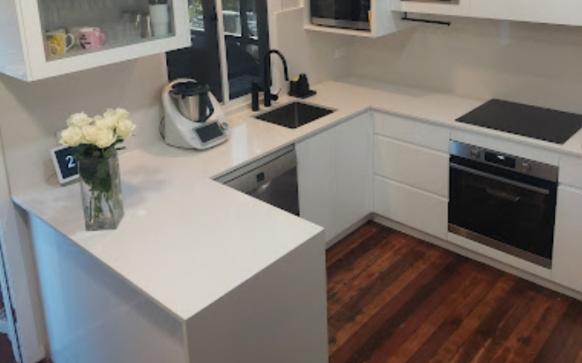
When you start renovating a bathroom, the sheer number of choices can feel overwhelming. You have ceramic, stone, porcelain, glass, steel, or composite materials vying for attention. However, one contender consistently rises to the top for modern homeowners seeking durability combined with sleek aesthetics: the solid surface sink.
So, what exactly makes a solid surface sink unique? It is a man-made material usually composed of a blend of acrylic or polyester resins, powdered bauxite filler, pigments for color. This mixture is heated then poured into molds to create seamless, non-porous shapes. Unlike natural stone which is quarried, a solid surface sink is engineered. This engineering process results in a uniform consistency throughout the material. If you were to cut a bathroom basin made of solid surface in half, the color plus texture would be identical from the surface right through to the core. This is a crucial distinction from gel-coated fiberglass or ceramic, where the finish is only skin deep.
Homeowners love this option because it allows for incredible design flexibility. A bathroom basin made from this material can be molded into virtually any shape, from sharp, rectangular modern lines to soft, flowing organic curves. Because it is non-porous, it naturally resists bacteria, mold, mildew, making it a hygienic choice for bathroom sinks.


Why should you choose a solid surface bathroom basin?
The popularity of the solid surface sink has skyrocketed recently. Why is this happening? The answer lies in the unique balance of form versus function. Traditional bathroom sinks often force a compromise. Porcelain can chip. Natural stone requires sealing. Glass shows every water spot. A solid surface sink solves many of these problems simultaneously.
Durability stands out as a primary benefit. These bathroom sinks are incredibly tough. They resist impact better than ceramic, which can shatter if a heavy bottle of perfume drops on it. Furthermore, because the color runs all the way through the material, minor scratches or cigarette burns can often be buffed out with a simple abrasive pad. This reparability extends the life of your bathroom basin significantly.
Another major advantage is the seamless appearance. Solid surface sinks can be integrated directly into a countertop made of the same material. This creates a "uni-body" look where the counter flows invisibly into the bowl. There are no rims to trap dirt, no caulking lines to turn black with mold. Cleaning becomes a breeze, requiring only a simple wipe down with mild soap.
How does a solid surface sink compare to other materials?
To truly understand the value of a solid surface sink, we must compare it against other common materials used for bathroom sinks. It helps to visualize the differences in maintenance, durability, styling.
Below is a comparison table to highlight how a solid surface bathroom basin stacks up against traditional options like porcelain vs natural stone.
Feature | Solid Surface Sink | Porcelain Sink | Natural Stone Sink |
|---|---|---|---|
Porosity | Non-porous (Requires no sealing) | Non-porous (Glazed surface) | Porous (Requires regular sealing) |
Repairability | High (Sand out scratches) | Low (Chips are permanent) | Medium (Can be polished by pros) |
Design Flexibility | High (Any shape possible) | Medium (Limited by firing process) | Low (Carved from blocks) |
Seamless Integration | Yes (Invisible seams) | No (Drop-in or undermount) | No (Vessel or undermount) |
Heat Resistance | Moderate | High | High |
Stain Resistance | High | High | Moderate (If not sealed) |
As you can see, the solid surface sink offers a compelling mix of low maintenance plus high durability that other bathroom sinks struggle to match. While stone is beautiful, the maintenance can be a headache. Porcelain is classic but brittle. The solid surface bathroom basin occupies a sweet spot, offering the luxury look of stone without the high-maintenance drawbacks.
What styles are available for your bathroom sinks?
One of the most exciting aspects of choosing a solid surface sink is the sheer variety of styles. Because the material starts as a liquid resin mixture, it can be cast into molds of any design. This frees designers from the constraints of traditional manufacturing.
Are you looking for a wall-hung bathroom basin? Solid surface materials are strong enough to support sleek, floating designs that save floor space in small powder rooms. These often feature hidden drains or innovative slope designs that replace traditional plug holes.
Perhaps you prefer a vessel sink? A solid surface sink sitting atop a vanity makes a bold statement. You can find them in matte white finishes that feel like satin to the touch, or in bold colors that serve as the room's focal point. The matte finish is particularly popular right now for bathroom sinks. It diffuses light softly, reducing glare while hiding water spots better than high-gloss finishes.
Integrated bathroom sinks are another massive trend. This is where the vanity top melts into the sink bowl. It is the ultimate expression of minimalism. With a solid surface sink, this integration is seamless. You cannot feel where the counter ends or the sink begins. This style is perfect for modern, spa-like bathrooms where clean lines are essential.


How do you maintain a solid surface bathroom basin?
Many homeowners worry that a "fancy" material means difficult cleaning. With a solid surface sink, the opposite is true. Maintenance is straightforward, but there are specific rules to follow to keep your bathroom basin looking pristine.
Daily cleaning requires nothing more than warm soapy water or an ammonia-based cleaner. Because the surface is non-porous, stains do not penetrate deep into the material. Makeup, toothpaste, hair dye usually wipe right off.
However, what happens if you get a tough stain or a scratch? This is where the solid surface sink shines. For matte finishes, you can often use a mild abrasive cleaner (like a cream cleanser) along with a scouring pad. rubbing in a circular motion can remove stubborn marks. If a scratch is deeper, fine-grit sandpaper can be used to buff it out, returning the surface to like-new condition. You cannot do this with ceramic or glass bathroom sinks.
Avoid using strong acids or harsh drain cleaners. While the material is chemically resistant, prolonged exposure to harsh chemicals can damage the surface finish. Also, while solid surface is heat resistant, pouring boiling water directly into the bathroom basin is not recommended without running cold water simultaneously.
Is a solid surface sink worth the investment?
When budgeting for a renovation, cost is always a factor. A solid surface sink typically costs more than a standard drop-in porcelain model. However, is it worth the extra expense?
We believe the answer is yes. You are paying for longevity. A cheap ceramic sink might crack in five years, requiring a costly replacement that might involve damaging your countertop. A solid surface sink is an investment in the future of your home. It will look as good in ten years as it does today because it can be refinished.
Furthermore, the aesthetic value adds to your home's resale potential. Buyers love the look and feel of solid surface materials. They associate them with high-end, luxury design. Installing a solid surface bathroom basin signals that the bathroom has been renovated with quality in mind. It elevates the entire space.
When you consider the lifetime value—the lack of sealing required, the resistance to mold, the ability to repair accidents—the initial price tag of a solid surface sink represents excellent value. You are not just buying a basin; you are buying peace of mind.
Where can you use these bathroom sinks?
While we often focus on the master bath, a solid surface sink is versatile enough for any location.
Family Bathrooms: The durability is perfect for kids. If they drop a toy in the bathroom basin, it won't shatter. The non-porous surface keeps germs at bay.
Guest Powder Rooms: Make a splash with a unique vessel shape. Since these rooms get less traffic, you can choose a highly sculptural solid surface sink that acts as art.
Commercial Spaces: Restaurants or hotels favor solid surface bathroom sinks because they are easy to clean quickly plus are extremely vandalism-resistant.
Laundry Rooms: The deep, integrated utility sinks made from solid surface material are excellent for hand-washing clothes or dealing with muddy shoes.
What is the best brand for your project?
In a market flooded with options, selecting the right manufacturer matters. Quality varies between producers. Some use inferior resin blends that yellow over time. You need a trusted name that guarantees color stability plus structural integrity for your solid surface sink.
We highly recommend looking into products made from solid surface acrylic. This specific formulation offers superior whiteness, better UV resistance, harder surfaces than polyester-only blends. Solid surface acrylic represents the gold standard in the industry, ensuring your bathroom basin remains a stunning centerpiece for years.
FAQ: Common Questions About Solid Surface Sinks
Is a solid surface sink durable?
Yes, a solid surface sink is extremely durable. It resists chipping or cracking better than porcelain. Because the material is homogeneous, minor damage like scratches can be sanded out, making it a long-lasting choice for any bathroom basin.
Can a solid surface sink stain?
Generally, a solid surface sink is stain-resistant because it is non-porous. Most household stains wipe off easily. However, harsh chemicals like hair dye should be wiped up quickly. If a stain does occur, it can usually be scrubbed away with an abrasive cleaner without damaging the finish.
How do I clean my bathroom sinks made of solid surface?
For daily cleaning of your bathroom sinks, use warm water plus mild soap. For matte finishes, you can use a mild abrasive cream cleanser to remove stubborn marks. Avoid harsh acids or strong solvents.
Are solid surface bathroom sinks heavy?
Yes, a solid surface sink is a dense, substantial material. It is often heavier than acrylic or thin steel but lighter than cast iron. Ensure your vanity cabinet is sturdy enough to support the weight of the bathroom basin.
Can I install a solid surface sink myself?
While possible, professional installation is recommended, especially for integrated countertops. Seaming the material requires special adhesives plus tools to achieve that invisible look. Simple vessel bathroom sinks are easier for DIY installation.


Contact Information:
Email: sales7@surface-s.com
Phone: +86-13316717867
bathroom basin
bathroom sinks
solid surface sink
Related Blogs
-
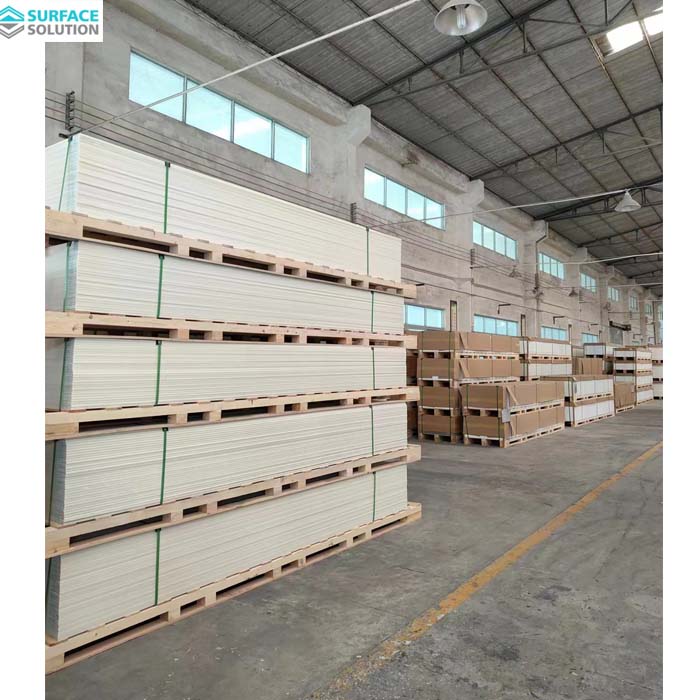 White acrylic solid surface remains a top-selling option for distributors, wholesalers and project contractors, widely specified for kitchen countertops, bathroom vanities, hotel vanity tops, commercial reception counters and custom tabletops. A common question from your downstream buyers is straigh
 -
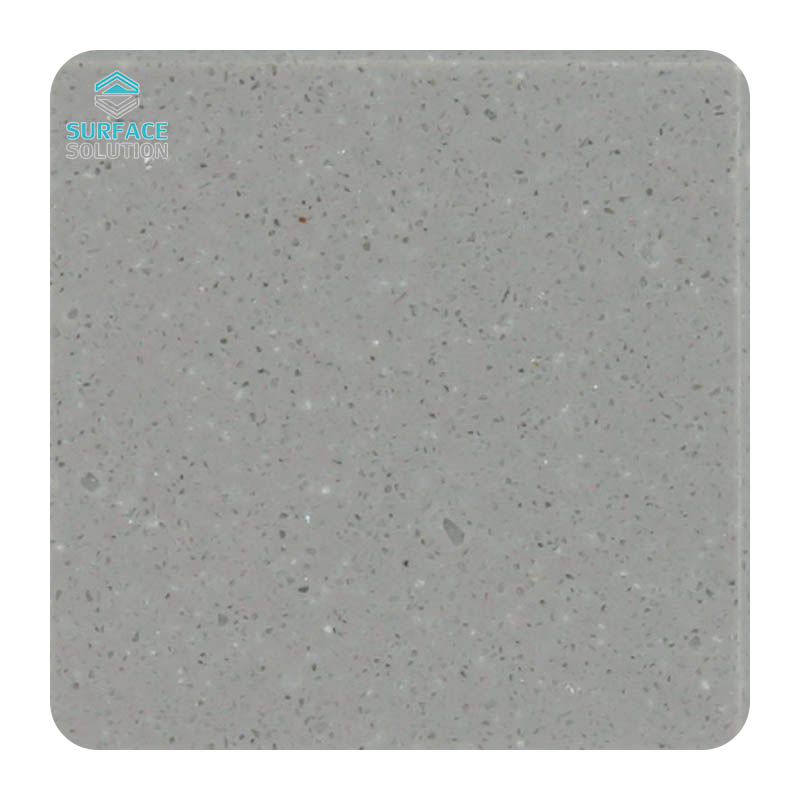 When renovating kitchens, bathrooms or commercial spaces, homeowners and designers often weigh different countertop materials. Acrylic solid surface is one of the most popular options, but a common question remains: is it durable enough for everyday use?Acrylic solid surface countertops are manufact
 -
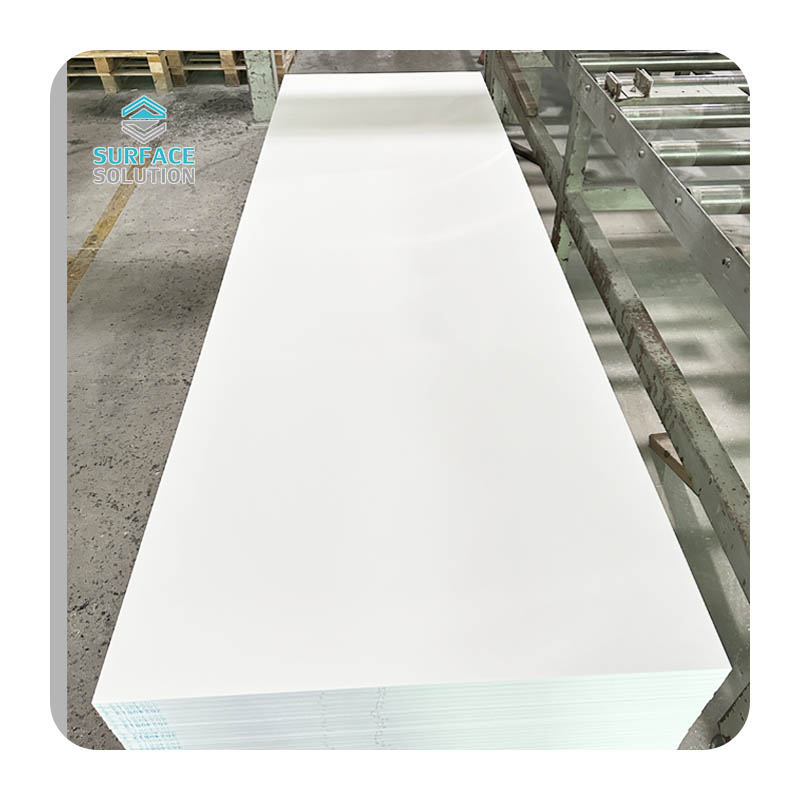 Acrylic solid surface is a premium engineered composite material widely used for kitchen countertops, vanity tops, wall panels, custom furniture and commercial interior projects. Many people confuse it with pure acrylic sheet or natural marble, but it is a carefully formulated blend of mineral powde
 -
 Kitchens and bathrooms are the most frequently used and easily worn spaces in residential and commercial buildings, where countertops face constant spills, moisture, friction, and daily stains. Compared with traditional materials such as natural marble, granite, quartz stone, and laminate, acrylic s


