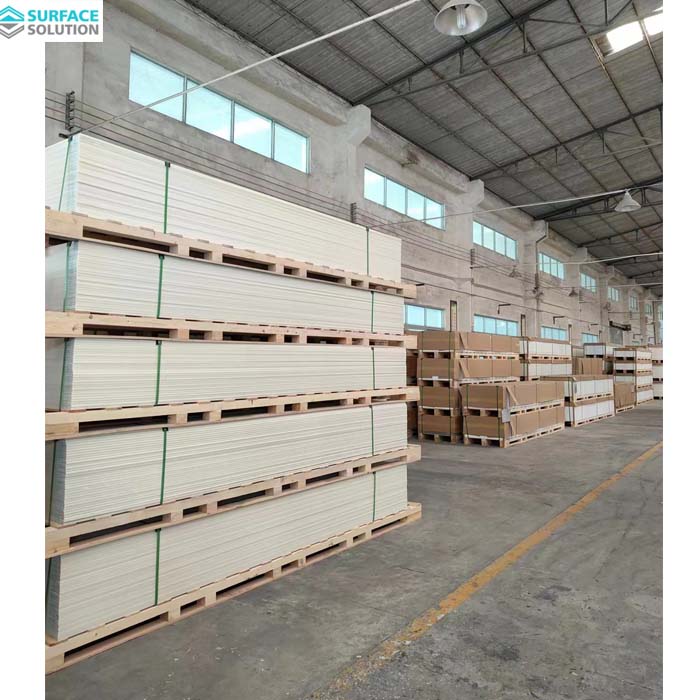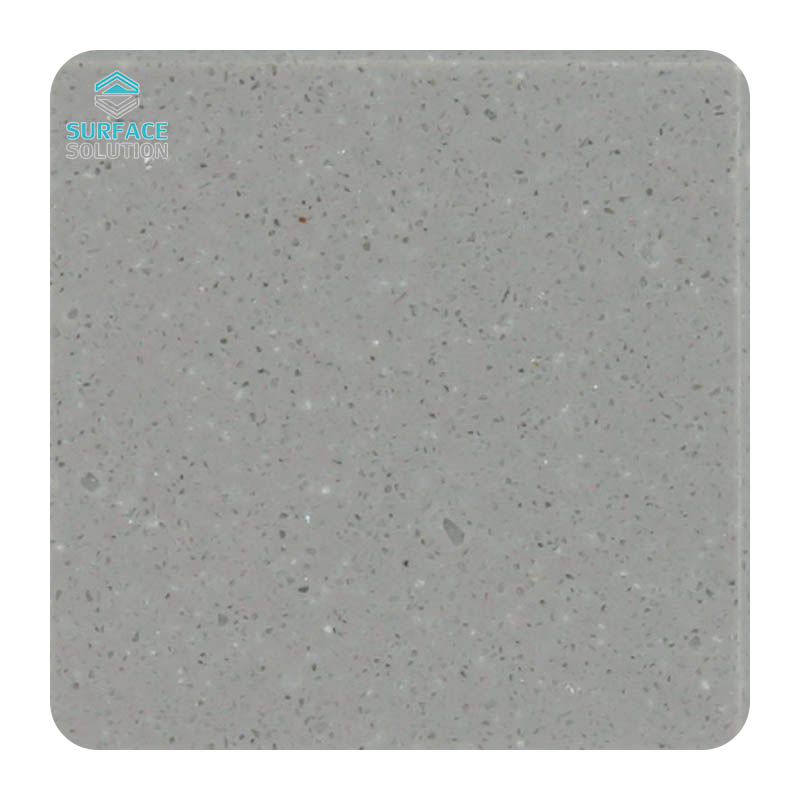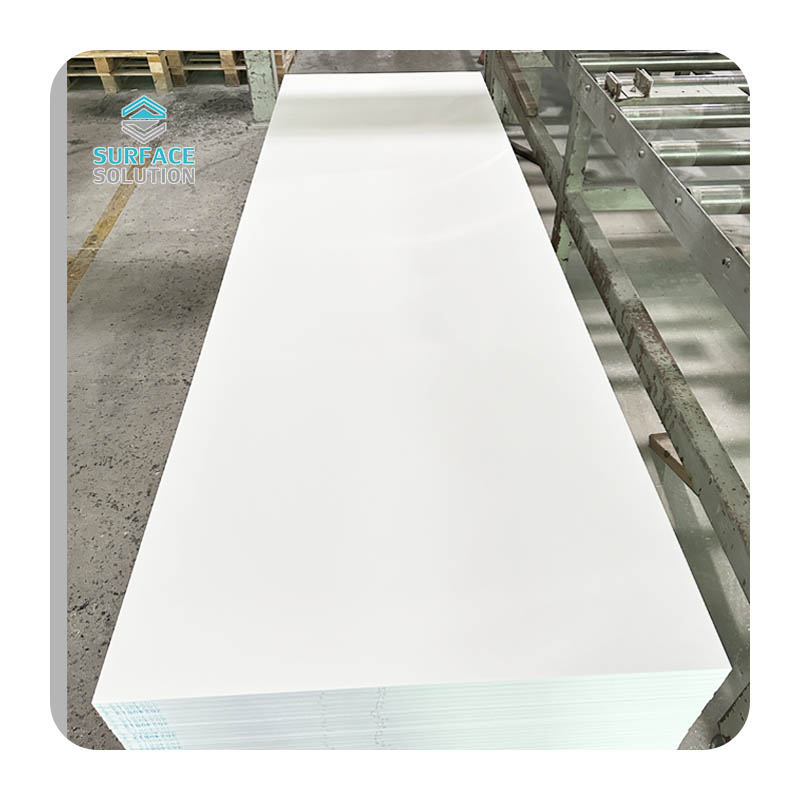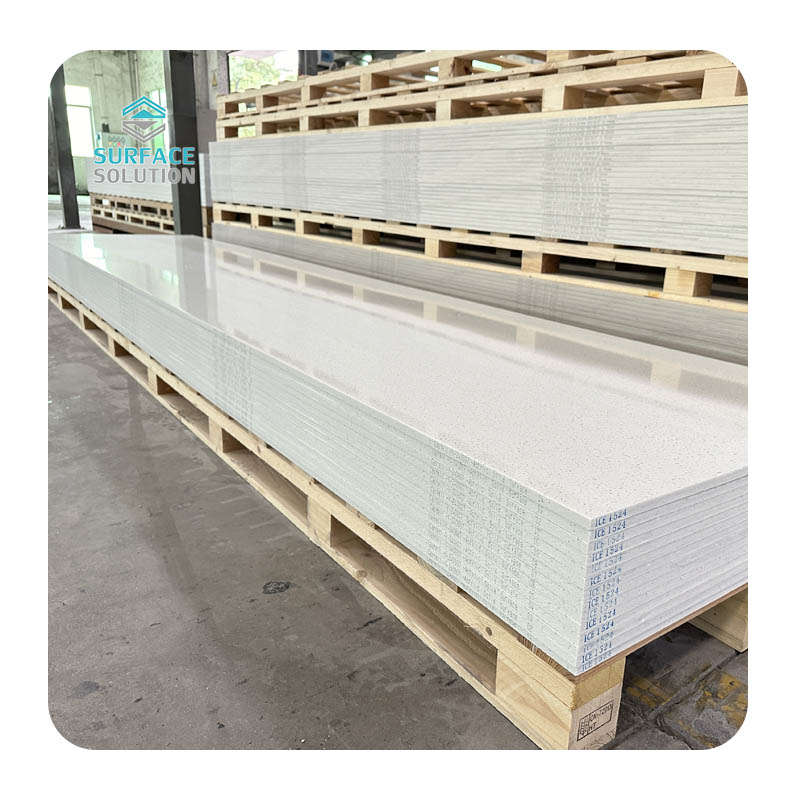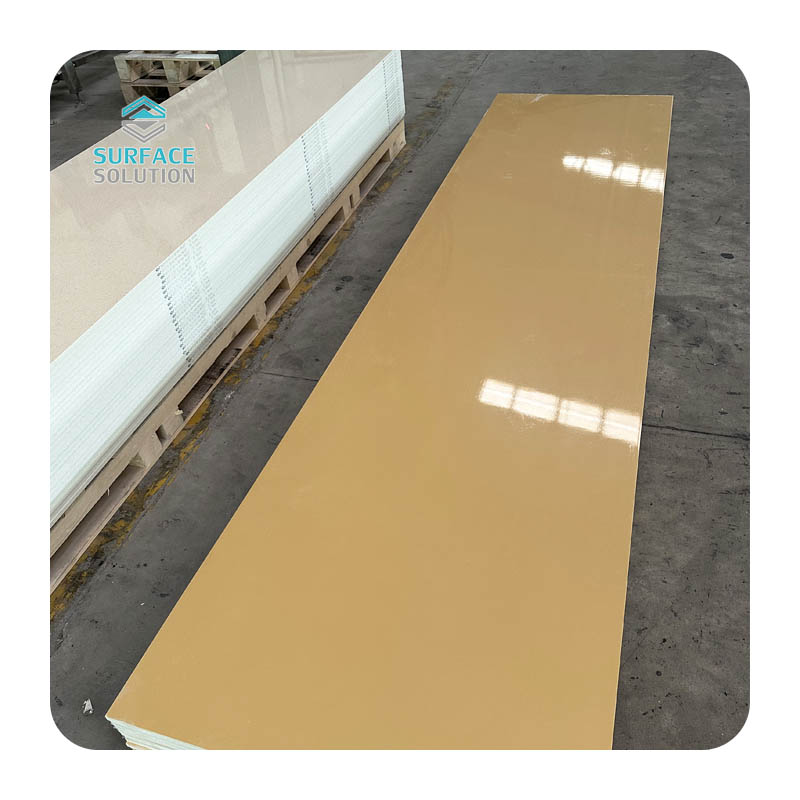
Solid surface materials have become one of the most versatile and popular building materials for residential and commercial interior decoration, widely used in kitchen countertops, bathroom vanities, wall panels, and custom furniture. Many people admire their smooth texture, seamless splicing effect, and long-lasting durability, yet few clearly understand what solid surfaces are made of. Different from natural stone, wood, or plastic panels, solid surface is a man-made composite material with a scientific and stable ingredient formula, which lays the foundation for its superior performance.
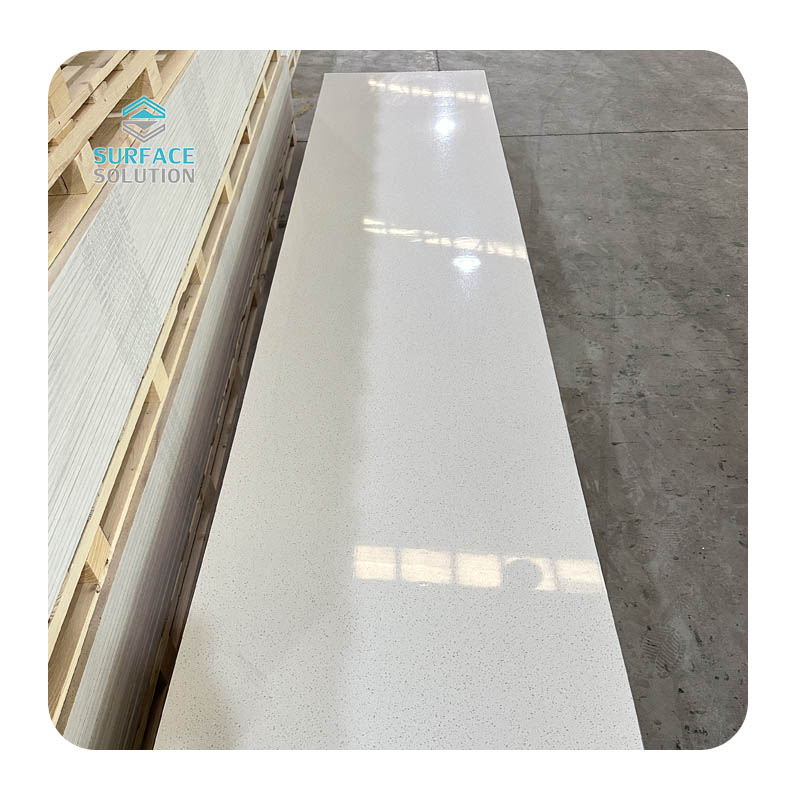
In general, modern solid surface materials are mainly composed of three core raw materials: mineral fillers, acrylic resin, and specialized pigments and additives. These ingredients are mixed in precise proportions, heated, and molded into integrated solid slabs, forming a homogeneous material with consistent texture and performance from the surface to the core. Unlike layered synthetic materials, solid surfaces have no hollow gaps or weak interlayers, which is why they are named “solid surfaces” and excel in stability and wear resistance.

The largest proportion of solid surface composition is natural mineral fillers, usually accounting for about 60% to 70% of the total formula. The most commonly used filler is aluminum hydroxide powder extracted from bauxite ore. This pure, non-toxic mineral powder brings multiple core advantages to solid surfaces. It greatly improves the material's hardness, compression resistance, and thermal stability, making the surface resistant to deformation under high temperature or heavy pressure. Meanwhile, aluminum hydroxide endows solid surfaces with excellent flame retardancy and stain resistance, effectively preventing daily stains like oil, coffee, and juice from penetrating the material. It also gives solid surfaces a mild, natural luster and uniform texture.
Acrylic resin serves as the key bonding agent and carrier of solid surfaces, making up roughly 25% to 35% of the formula. Most high-quality solid surfaces adopt pure methyl methacrylate (MMA) acrylic resin, which is environmentally friendly and non-radiative. As a high-performance polymer material, acrylic resin tightly bonds scattered mineral powder particles into a compact whole. It provides the material with good toughness and processability, allowing solid surfaces to be cut, polished, bent, and seamlessly spliced. Thanks to acrylic resin’s strong adhesion and ductility, solid surfaces can avoid easy cracking or peeling, and damaged parts can be repaired and polished to restore their original appearance, which is impossible for natural stone.

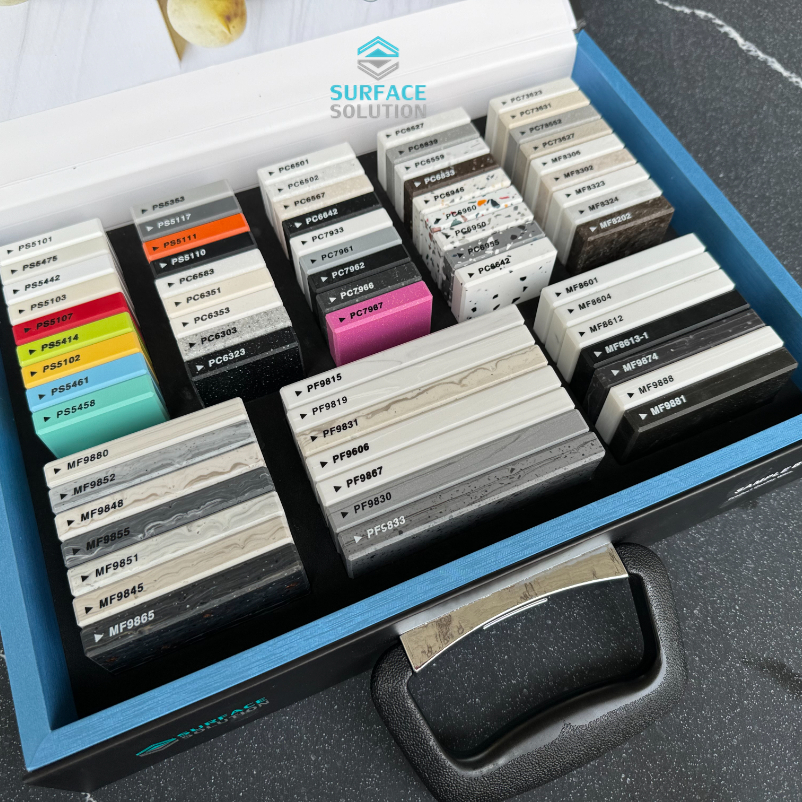
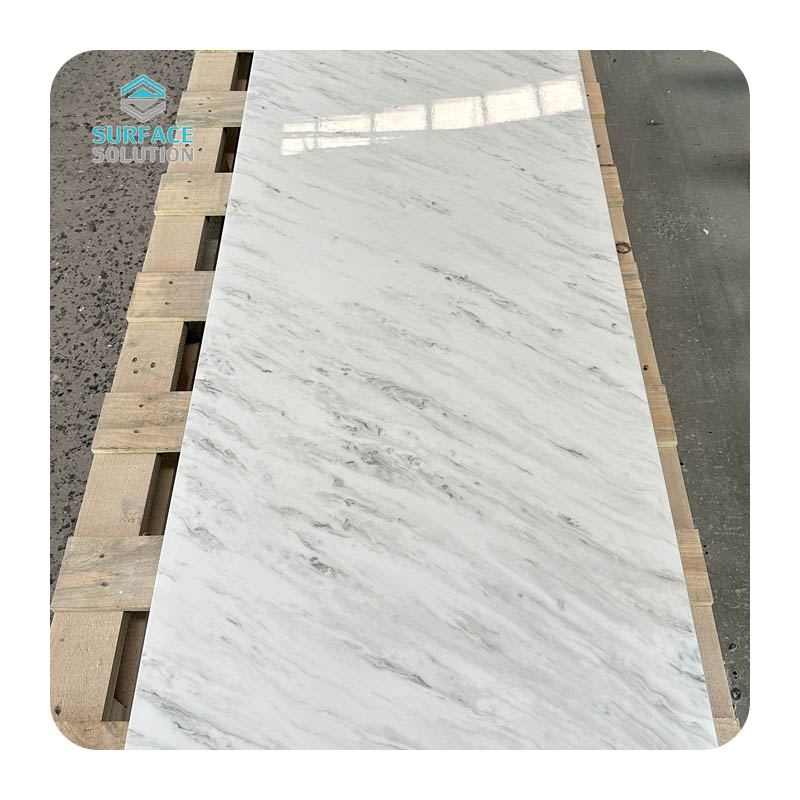
A small proportion of the formula consists of color pigments and functional additives, which determine the diversity and practicality of solid surfaces. Environmentally friendly inorganic pigments are added in tiny doses to create rich and stable colors, ranging from pure white and solid gray to simulated marble and wood grain textures. These pigments penetrate the entire material instead of only covering the surface, so solid surfaces will not fade easily after long-term use. In addition, trace additives such as curing agents, stabilizers, and anti-aging agents are added to enhance the material's weather resistance, anti-yellowing performance, and structural stability, adapting to long-term indoor use in different temperature and humidity environments.
It is worth distinguishing that some low-cost solid surface products use unsaturated resin instead of pure acrylic resin and inferior mineral fillers. Such materials are prone to yellowing, brittle fracture, and poor stain resistance, failing to meet the standard of high-quality solid surfaces. Qualified industrial-grade solid surfaces strictly follow the composite formula of aluminum hydroxide and pure acrylic resin, ensuring non-toxicity, no radiation, waterproof and mildew-proof properties, and safe contact with daily food and water.