When it comes to bathroom design, the basin sink is not just a functional necessity but also a key element that can significantly enhance the overall aesthetic and functionality of the space. From sleek modern designs to classic and traditional styles, there is a wide array of bathroom basin sinks available, each with its unique features, advantages, and considerations. In this comprehensive guide, we will explore the different types of bathroom basin sinks, delve into various design options, and provide practical tips for sptions, and provide practical tips for seamless wash basin integration in your bathroom.
Types of Bathroom Basin Sinks
1. Countertop Basins
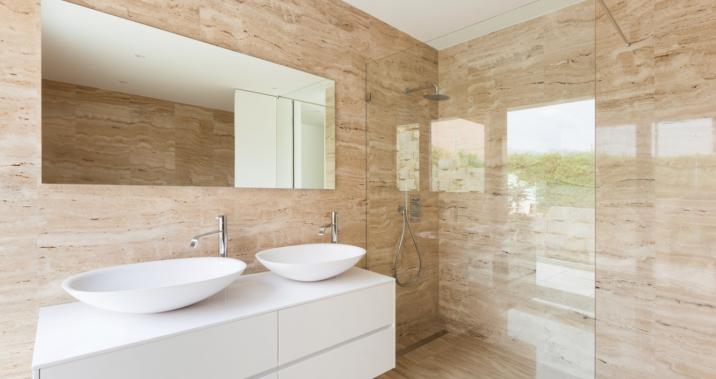
Countertop basins, also known as vessel sinks, sit on top of the bathroom vanity or countertop, creating a striking focal point. They come in a diverse range of materials, including glass, ceramic, stone, and metal, allowing you to customize the look to match your bathroom's style. One of the main advantages of countertop basins is their ease of installation, as they simply rest on the surface and are secured in place. They are also ideal for adding a touch of luxury and sophistication to your bathroom, especially in smaller spaces where a large vanity may not be feasible. However, it's important to note that countertop basins require a taller faucet to ensure proper water flow, and they may take up more space on the countertop compared to other types of sinks.
2. Undermount Basins
Undermount basins are installed beneath the bathroom countertop, creating a seamless and streamlined look. This type of sink is particularly popular in modern and contemporary bathrooms, as it provides a clean and uncluttered appearance. Undermount basins are typically made from materials such as stainless steel, porcelain, or solid surface, and they are available in various shapes and sizes to suit different countertop materials and bathroom layouts. The main benefit of undermount basins is their ease of cleaning, as there are no visible seams or edges on the countertop, making it easier to wipe away spills and debris. However, installation of undermount basins requires a professional, as it involves cutting a precise hole in the countertop and securing the sink from underneath.
3. Semi-Recessed Basins
Semi-recessed basins are a hybrid between countertop and undermount sinks. They are partially recessed into the countertop, with a portion of the basin extending above the surface. This design is a great option for bathrooms with limited space, as it allows you to maximize the use of the countertop while still providing a functional sink. Semi-recessed basins are available in a variety of styles and materials, and they can be easily integrated into existing bathroom vanities or cabinets. They offer a balance between the aesthetic appeal of a countertop basin and the practicality of an undermount sink, making them a versatile choice for many bathroom designs.
4. Wall-Mounted Basins
Wall-mounted basins are directly attached to the wall, eliminating the need for a vanity or pedestal. This type of sink is a popular choice for minimalist and space-saving bathroom designs, as it creates a floating effect and frees up valuable floor space. Wall-mounted basins are available in different shapes and sizes, and they can be paired with wall-mounted faucets for a sleek and modern look. They are also easy to clean, as there are no hard-to-reach areas underneath the sink. However, installation of wall-mounted basins requires careful planning and structural support, as the weight of the sink and water needs to be properly supported by the wall.
5. Pedestal Basins
Pedestal basins are a classic and timeless option for bathrooms. They consist of a basin supported by a pedestal, which hides the plumbing and provides a decorative element. Pedestal basins are available in a wide range of styles, from traditional to contemporary, and they are suitable for both small and large bathrooms. They are relatively easy to install and maintain, and they offer a cost-effective solution for bathroom sink replacement. However, pedestal basins do not provide any storage space, so they may not be the best option if you need to store bathroom essentials such as toiletries and cleaning supplies.
Design Options for Bathroom Basin Sinks
1. Shape and Size
The shape and size of your bathroom basin sink play a crucial role in determining the overall look and functionality of your bathroom. Round, oval, rectangular, square, and asymmetrical shapes are all popular options, each offering a different aesthetic appeal. When choosing the shape of your sink, consider the size and layout of your bathroom, as well as your personal style preferences. Larger sinks are ideal for spacious bathrooms, as they provide more room for washing and grooming, while smaller sinks are a better choice for compact spaces. Additionally, the size of the sink should be proportionate to the size of the countertop or vanity to ensure a balanced and harmonious look.
2. Material
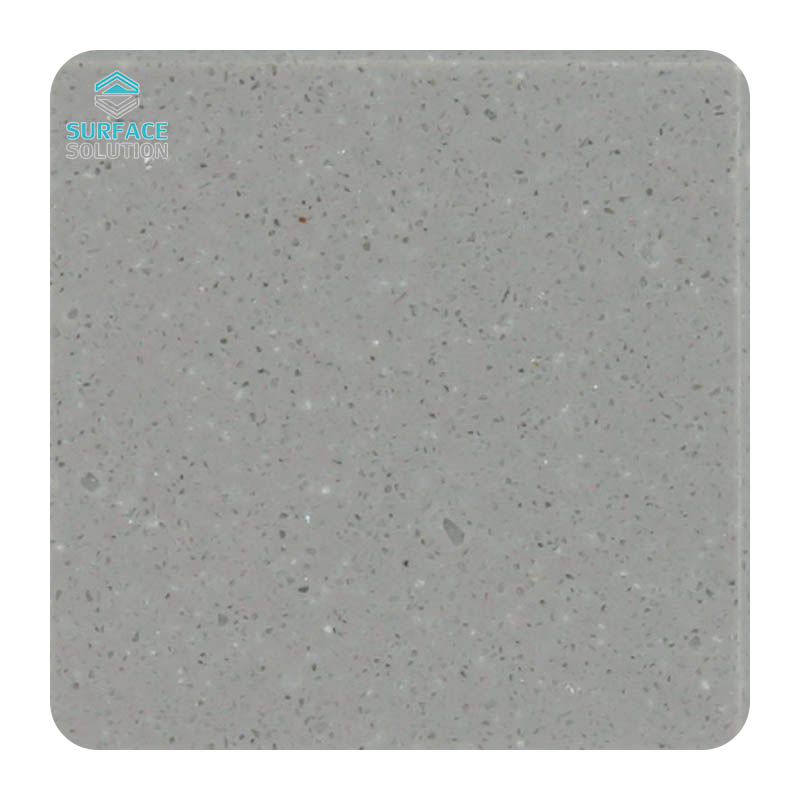
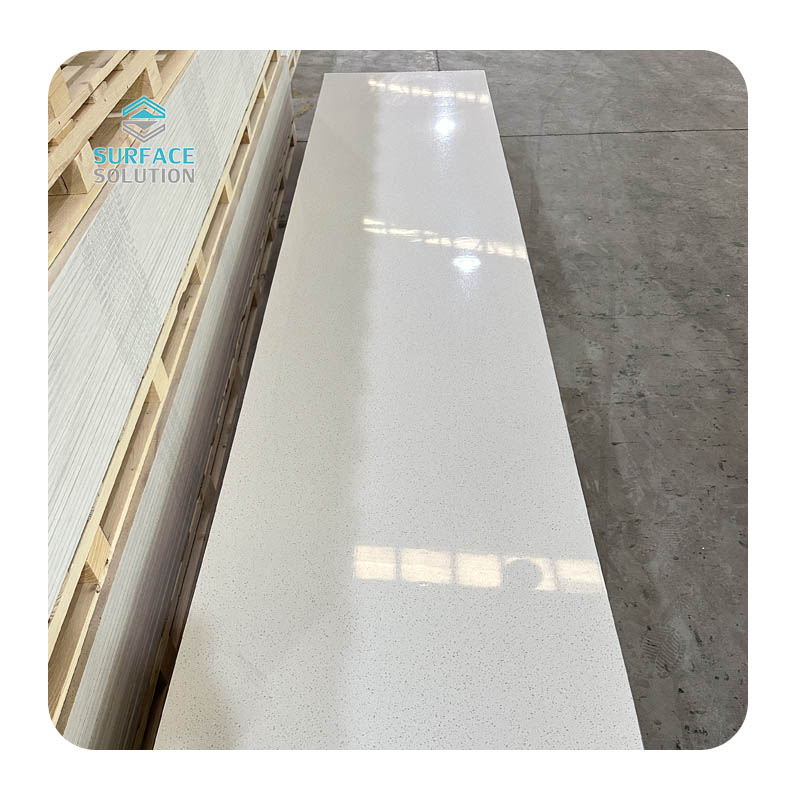
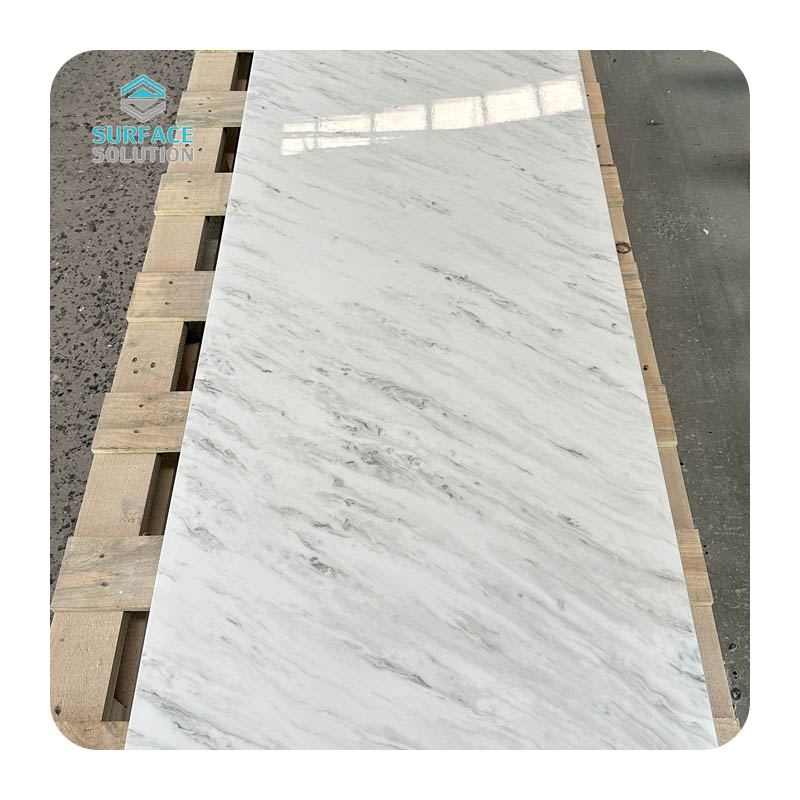
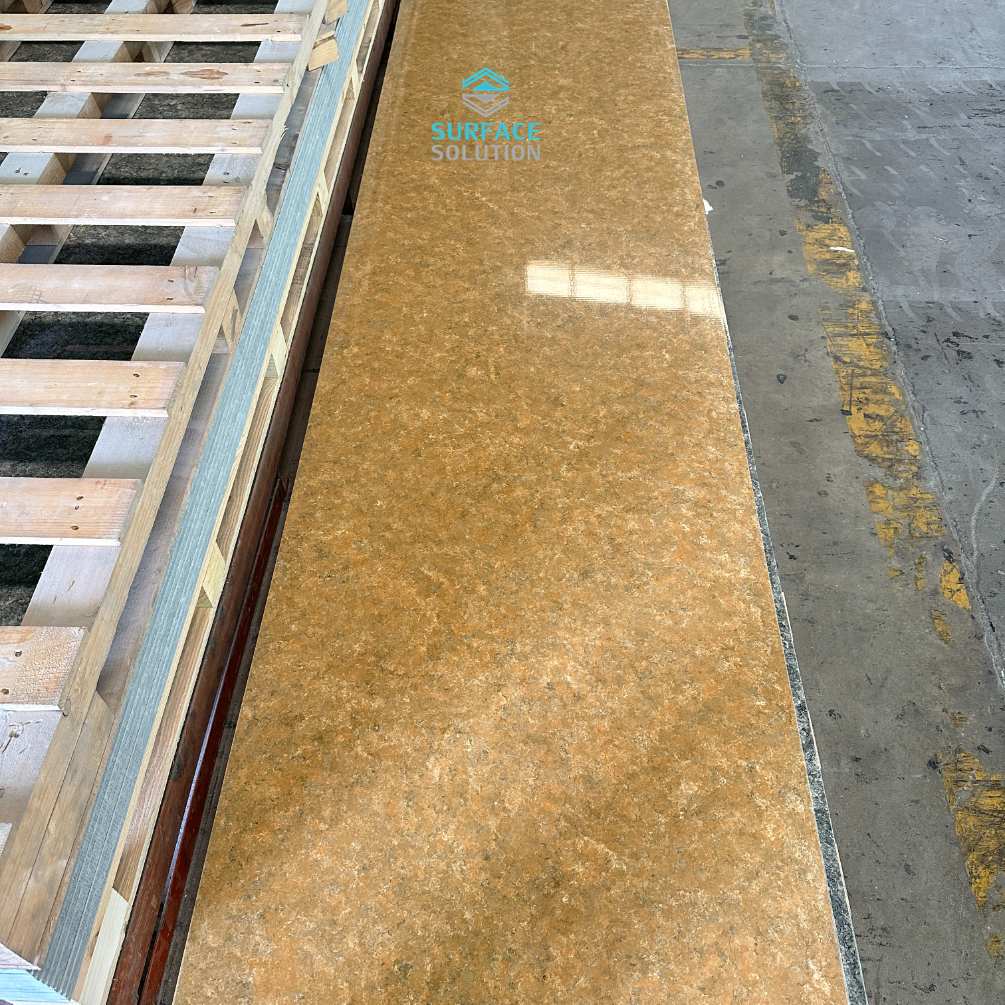
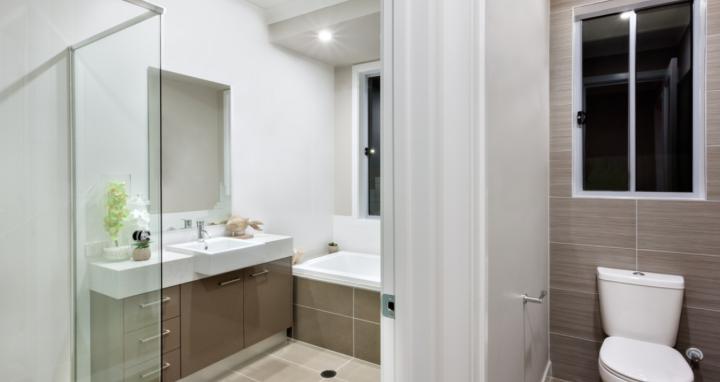
The material of your bathroom basin sink not only affects its appearance but also its durability, maintenance, and cost. Common materials used for bathroom basin sinks include ceramic, porcelain, glass, stone, stainless steel, and solid surface. Ceramic and porcelain sinks are the most popular choices due to their affordability, durability, and ease of cleaning. They are available in a wide range of colors and styles, making it easy to find a sink that matches your bathroom's decor. Glass sinks add a touch of elegance and modernity to any bathroom, but they require more careful maintenance to avoid scratches and stains. Stone sinks, such as granite, marble, and quartz, are luxurious and durable, but they are also more expensive and may require professional installation. Stainless steel sinks are durable, easy to clean, and resistant to stains and scratches, making them a practical choice for busy households. Solid surface sinks are seamless, non-porous, and easy to maintain, and they can be customized to fit any bathroom design.
3. Faucet and Fixture Selection
The faucet and fixtures you choose for your bathroom basin sink can enhance its functionality and add a finishing touch to the overall design. When selecting a faucet, consider the style, finish, and functionality that best suits your needs and preferences. Single-handle faucets are convenient and easy to use, while two-handle faucets offer more precise control over water temperature and flow. Wall-mounted faucets are a great option for wall-mounted basins, as they create a sleek and modern look. Additionally, you can choose from a variety of finishes, such as chrome, brushed nickel, oil-rubbed bronze, and matte black, to match the other fixtures and hardware in your bathroom. Other fixtures to consider include pop-up drains, overflow protectors, and soap dispensers, which can enhance the functionality and convenience of your sink.
4. Color and Finish
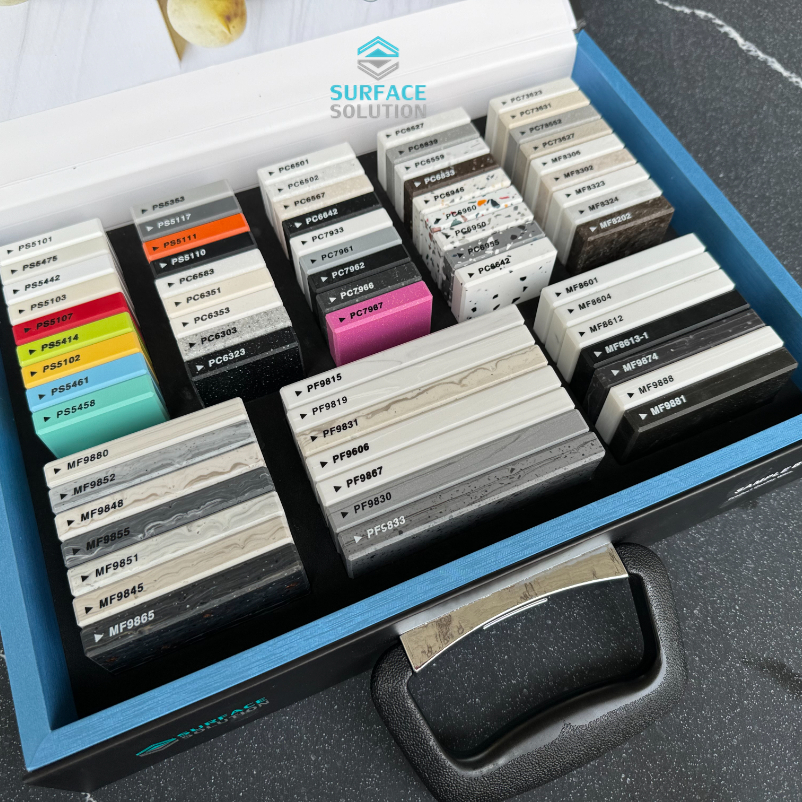
The color and finish of your bathroom basin sink can have a significant impact on the overall look and feel of your bathroom. Neutral colors such as white, beige, and gray are classic and timeless, and they can easily match any bathroom decor. Bold and vibrant colors, on the other hand, can add a pop of color and personality to your bathroom, but they may be more difficult to match with other elements. When choosing the color of your sink, consider the existing color scheme of your bathroom, as well as the amount of natural light in the space. Additionally, the finish of the sink can affect its appearance and durability. Glossy finishes are easy to clean and maintain, but they may show fingerprints and water spots more easily. Matte finishes, on the other hand, are more resistant to fingerprints and water spots, but they may require more careful cleaning to avoid scratches and stains.
Practical Tips for Wash Basin Integration
1. Measure Your Space
Before purchasing a bathroom basin sink, it's important to measure your space carefully to ensure that the sink will fit properly. Measure the length, width, and depth of the area where the sink will be installed, as well as the height of the countertop or vanity. Additionally, consider the location of the plumbing and electrical outlets, as well as any other obstacles or restrictions in the space. By measuring your space accurately, you can avoid purchasing a sink that is too large or too small for your bathroom, and ensure a seamless installation.
2. Consider Your Plumbing
The plumbing requirements for your bathroom basin sink will depend on the type of sink you choose and the layout of your bathroom. If you are replacing an existing sink, it's important to ensure that the new sink is compatible with the existing plumbing. If you are installing a new sink, you may need to hire a professional plumber to install the necessary pipes and fixtures. Additionally, consider the location of the drain and overflow, as well as the type of faucet and fixtures you will be using. By carefully considering your plumbing requirements, you can ensure that your sink functions properly and efficiently.
3. Plan for Storage
If you need to store bathroom essentials such as toiletries and cleaning supplies, it's important to plan for storage when choosing a bathroom basin sink. Consider the type of storage options available, such as cabinets, drawers, and shelves, and choose a sink that complements the storage solution. For example, if you choose a pedestal basin, you may need to install additional storage units such as wall-mounted cabinets or floating shelves to store your bathroom essentials. By planning for storage, you can keep your bathroom organized and clutter-free.
4. Choose the Right Accessories
Accessories can enhance the functionality and aesthetic appeal of your bathroom basin sink. Consider adding accessories such as soap dispensers, toothbrush holders, and towel racks to your sink area. These accessories not only add convenience but also help to keep your bathroom organized and tidy. Additionally, you can choose accessories that match the style and finish of your sink and faucet to create a cohesive and coordinated look.
5. Hire a Professional Installer
Installing a bathroom basin sink can be a complex and challenging task, especially if you are not experienced in plumbing or DIY projects. To ensure a successful installation, it's recommended to hire a professional installer. A professional installer has the skills, experience, and tools necessary to install your sink correctly and efficiently, and can also provide valuable advice and guidance on choosing the right sink and fixtures for your bathroom. Additionally, a professional installer can ensure that your sink is installed in compliance with local building codes and regulations, and can provide a warranty for their work.
In conclusion, choosing the right bathroom basin sink is an important decision that can significantly enhance the overall aesthetic and functionality of your bathroom. By understanding the different types of bathroom basin sinks, exploring various design options, and following practical tips for wash basin integration, you can create a beautiful and functional bathroom that meets your needs and preferences. Whether you prefer a sleek and modern design or a classic and traditional style, there is a bathroom basin sink out there that is perfect for your bathroom. So, take your time, do your research, and choose the sink that will transform your bathroom into a luxurious and inviting space.
bathroom basin
bathroom basin sink
basin sink bathroom
Contact with the supplier:
Email: sales7@surface-s.com
Whatsapp/Mobile/Wechat: +8613316717867