In the dynamic world of contemporary interior design, the choice of materials can make or break a space. Among the plethora of options available,
solid surface counters have emerged as a frontrunner, captivating designers and homeowners alike with their unique blend of functionality, aesthetic appeal, and versatility. This article delves into the reasons behind the meteoric rise of solid surface counters in modern interior design, exploring their features, applications, and the impact they have on transforming living and working spaces.
Solid surface materials are a man - made composite, typically crafted from a combination of natural minerals and acrylic or polyester resins. This fusion results in a material that boasts a non - porous surface, setting it apart from many traditional countertop materials. The non - porous nature of solid surface is a game - changer, as it renders the material highly resistant to moisture, stains, and bacteria. This not only makes it an ideal choice for areas where hygiene is paramount, such as kitchens and bathrooms, but also ensures its longevity and easy maintenance.
One of the most striking features of solid surface is its ability to be fabricated with nearly invisible seams. When installed, these counters can create a seamless, continuous look, giving any space a sleek and sophisticated finish. This seamless appearance not only enhances the visual appeal but also eliminates the nooks and crannies where dirt, grime, and bacteria can accumulate, further contributing to its hygienic properties.
Another remarkable quality of
solid surface is its thermoformability. Designers can heat the material and shape it into almost any form, opening up a world of creative possibilities. Whether it's a curved countertop for a modern kitchen island or a uniquely shaped vanity top for a luxurious bathroom, solid surface can be molded to fit the most intricate design concepts.
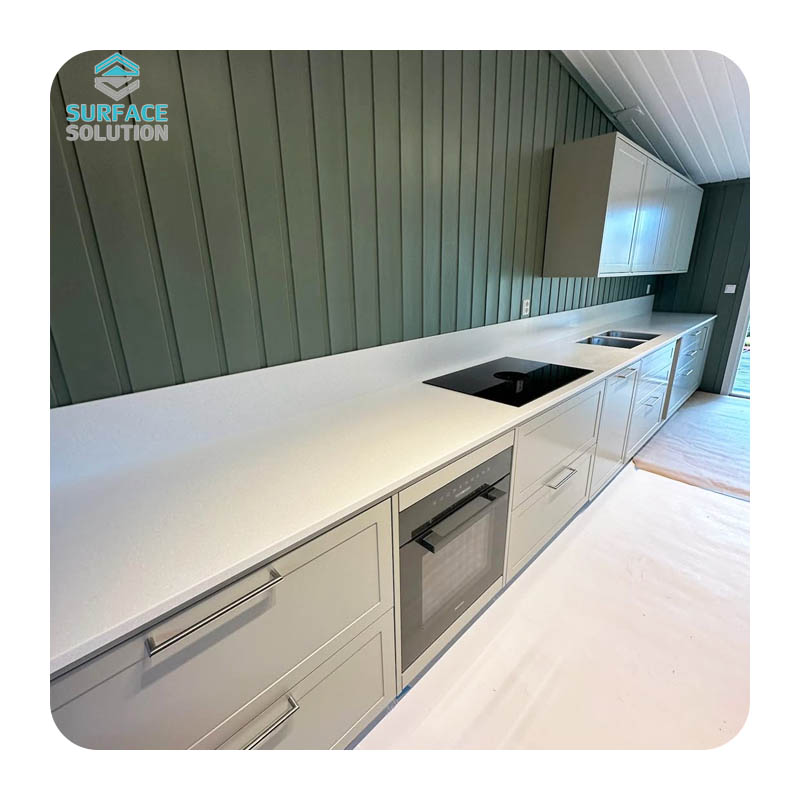
The kitchen is often the heart of the home, and solid surface countertops have become a staple in modern kitchen designs. Their non - porous surface makes them impervious to common kitchen stains from substances like wine, coffee, and tomato sauce. This resistance to staining, combined with their easy - to - clean nature, makes them a practical choice for a space where food preparation and spills are inevitable.
In addition to their stain resistance, solid surface countertops are highly durable. They can withstand the daily wear and tear of kitchen activities, including chopping (although it's always advisable to use a cutting board to protect the surface), and are resistant to scratches. Unlike natural stone countertops, which may require regular sealing to maintain their integrity, solid surface countertops are maintenance - free in this regard.
The seamless design of solid surface countertops also allows for the integration of sinks, creating a smooth, unbroken surface. This not only looks sleek but also makes cleaning a breeze, as there are no joints where food particles and moisture can get trapped. Moreover, solid surface countertops come in a wide range of colors, patterns, and textures. Designers can choose from options that mimic the look of natural stone, such as granite or marble, for a classic and elegant feel, or opt for more contemporary, solid - colored options to achieve a minimalist aesthetic.
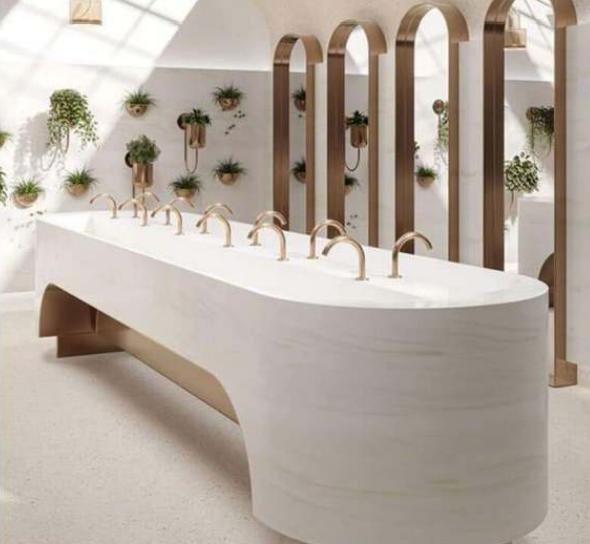
Bathrooms are another area where solid surface materials shine. For bathroom vanities, solid surface offers a combination of style and functionality. The non - porous surface prevents the growth of mold and mildew, which are common issues in humid bathroom environments. The material's resistance to moisture also ensures that it won't warp or degrade over time, maintaining its appearance and structural integrity.
Similar to kitchen countertops, solid surface vanities can be fabricated with seamless joints, providing a clean and sophisticated look. The wide variety of colors and finishes available allows for customization to match any bathroom decor, from modern and sleek to traditional and ornate.
In shower areas, solid surface walls are an excellent choice. They are easy to clean, reducing the time and effort required to maintain a hygienic shower space. The smooth surface of solid surface also makes it less likely for soap scum and grime to adhere, compared to some other materials. Additionally, the ability to thermoform solid surface means that shower walls can be shaped to fit irregularly shaped shower enclosures, providing a seamless and waterproof solution.
Solid surface counters are not limited to residential applications; they have also found widespread use in commercial spaces. In restaurants and cafes, solid surface countertops are highly valued for their durability and hygienic properties. In a busy food service environment, where spills and heavy use are the norm, solid surface can withstand the demands and maintain its appearance. The seamless design also makes it easy to clean and sanitize, ensuring compliance with health and safety regulations.
In retail stores, solid surface can be used to create eye - catching displays and reception desks. Its versatility allows for the creation of unique shapes and designs that can enhance the brand image and attract customers. The material's durability is also an advantage in high - traffic commercial areas, as it can resist scratches and dents from daily use.
In the healthcare industry, solid surface is a popular choice for hospital laboratories, examination rooms, and nursing stations. Its antimicrobial properties make it ideal for environments where hygiene is critical, as it inhibits the growth of bacteria and other pathogens. The seamless construction further reduces the risk of contamination by eliminating crevices where germs can hide.
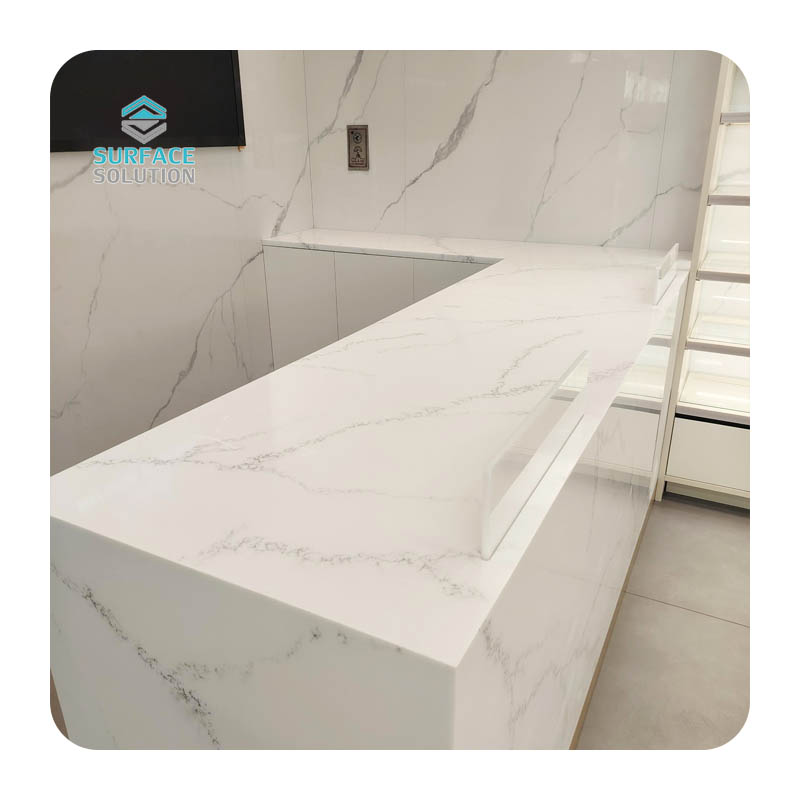
A major factor contributing to the rise of solid surface counters in contemporary interior design is their aesthetic versatility. Solid surface can be made to resemble a variety of natural materials, such as stone, wood, and even concrete, allowing designers to achieve the look of these premium materials at a more affordable price point.
For those who prefer a natural stone look, solid surface options with veining and patterns that mimic granite or marble can add a touch of luxury to any space. These imitations are often so convincing that it can be difficult to distinguish them from the real thing. On the other hand, solid - colored solid surface counters offer a sleek and modern aesthetic, perfect for minimalist and contemporary design styles. The smooth, uniform surface of solid - colored options creates a clean and sophisticated look that can enhance the overall ambiance of a room.
In addition to color and pattern options, solid surface counters can also be finished in different ways to achieve various textures. Matte finishes offer a more subdued and elegant look, while glossy finishes can add a touch of glamour and reflect light, making a space appear more spacious.
In an era where sustainability is a growing concern in the design and construction industry, solid surface materials have several environmentally friendly aspects. Many solid surface manufacturers are now using recycled materials in their production processes. This not only helps to reduce the demand for virgin resources but also gives a new life to materials that would otherwise end up in landfills.
Furthermore, solid surface is a durable material with a long lifespan. This means that products made from solid surface are less likely to need frequent replacement, reducing waste in the long run. When solid surface products do reach the end of their useful life, they can often be recycled, closing the loop on the material's lifecycle and contributing to a more sustainable approach to interior design.
As technology continues to advance, the future of solid surface counters in interior design looks even more promising. One emerging trend is the integration of smart technology into solid surface materials. For example, there are already developments where solid surface countertops can be equipped with wireless charging capabilities, allowing users to charge their devices simply by placing them on the countertop.
Another area of innovation is in the development of new colors, patterns, and textures. Manufacturers are constantly researching and experimenting to create more realistic imitations of natural materials, as well as entirely new and unique designs. This will further expand the aesthetic possibilities of solid surface, making it an even more attractive option for designers and homeowners.
In conclusion, solid surface counters have firmly established themselves as a leading choice in contemporary interior design. Their combination of functionality, aesthetic appeal, versatility, and sustainability makes them a material that meets the diverse needs of modern design projects. Whether in a residential kitchen, a commercial office, or a healthcare facility, solid surface counters have the potential to transform a space, adding both style and practicality. As technology and innovation continue to drive the industry forward, it's likely that we will see even more widespread use of solid surface materials in the years to come.


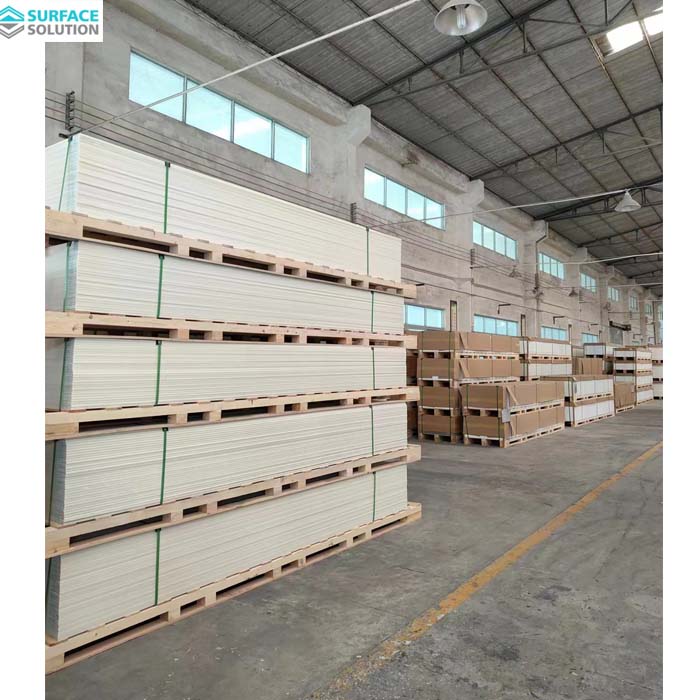 White acrylic solid surface remains a top-selling option for distributors, wholesalers and project contractors, widely specified for kitchen countertops, bathroom vanities, hotel vanity tops, commercial reception counters and custom tabletops. A common question from your downstream buyers is straigh
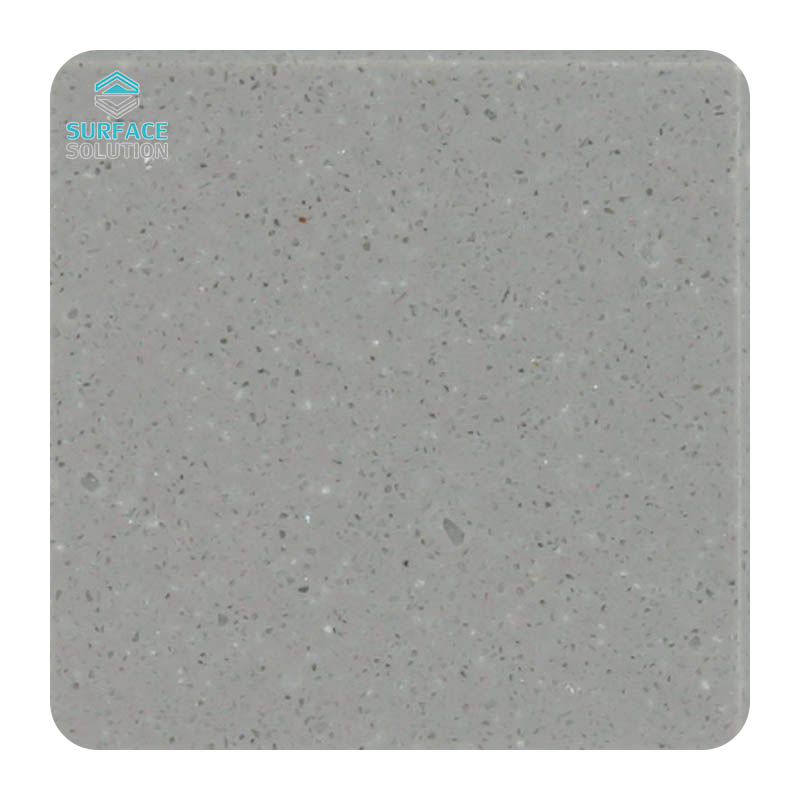 When renovating kitchens, bathrooms or commercial spaces, homeowners and designers often weigh different countertop materials. Acrylic solid surface is one of the most popular options, but a common question remains: is it durable enough for everyday use?Acrylic solid surface countertops are manufact
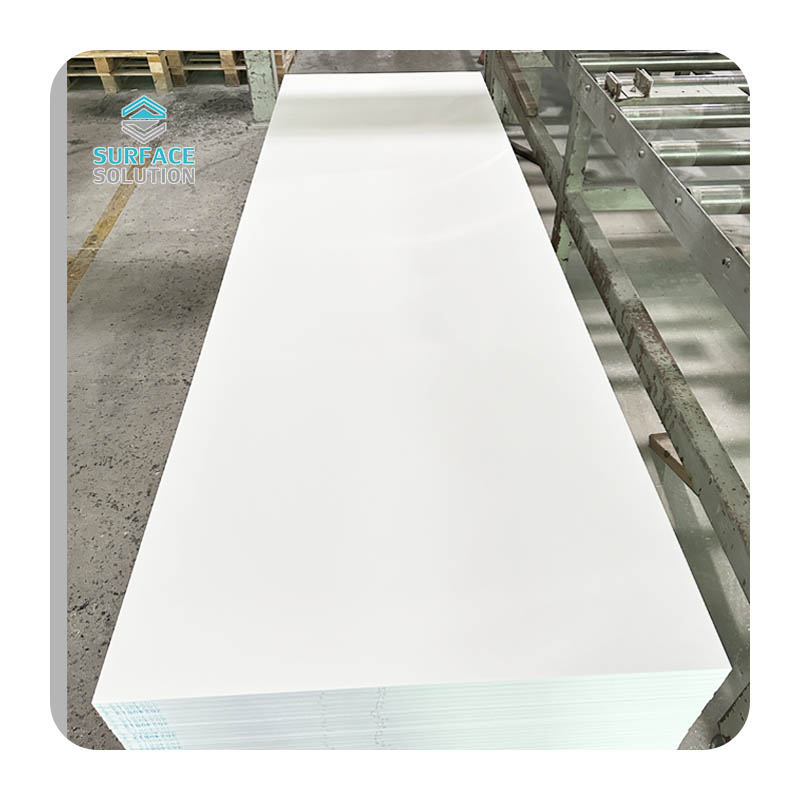 Acrylic solid surface is a premium engineered composite material widely used for kitchen countertops, vanity tops, wall panels, custom furniture and commercial interior projects. Many people confuse it with pure acrylic sheet or natural marble, but it is a carefully formulated blend of mineral powde
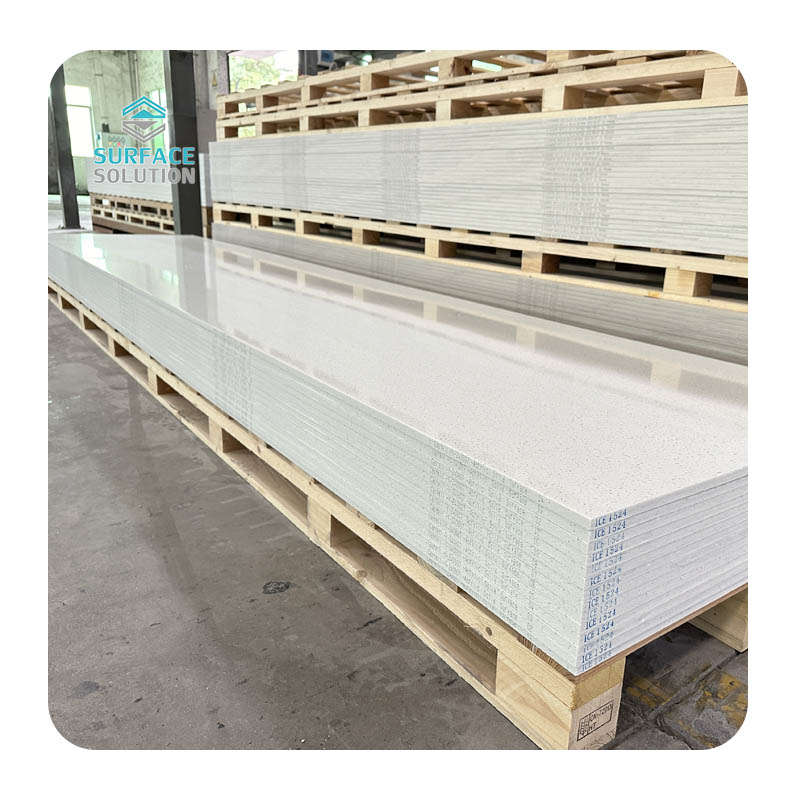 Kitchens and bathrooms are the most frequently used and easily worn spaces in residential and commercial buildings, where countertops face constant spills, moisture, friction, and daily stains. Compared with traditional materials such as natural marble, granite, quartz stone, and laminate, acrylic s


