


Sustainable Innovations in Solid Surface Stone Manufacturing


The manufacturing of solid surface stone, a versatile material widely used in countertops, vanities, and architectural elements, has long faced scrutiny for its environmental impact—from resource extraction to energy consumption and waste generation. However, recent years have witnessed a surge in sustainable innovations that redefine the industry’s approach, blending technological advancement with eco-conscious practices. These innovations not only reduce environmental footprints but also enhance product durability and performance, marking a new era for responsible manufacturing.

One of the most impactful strides lies in material innovation, particularly the integration of recycled and bio-based components. Traditional solid surface stone is often composed of acrylic or polyester resins mixed with mineral fillers like calcium carbonate. Today, manufacturers are replacing a significant portion of these virgin materials with post-consumer or post-industrial waste. For instance, recycled acrylic from discarded countertops, plastic bottles, or industrial scrap is being processed and reintroduced into production, reducing reliance on petroleum-based feedstocks. Similarly, bio-based resins derived from plant oils, algae, or agricultural by-products are gaining traction, lowering the carbon footprint associated with resin synthesis. These materials not only divert waste from landfills but also maintain—or even improve—the structural integrity and aesthetic appeal of the final product, proving that sustainability need not compromise quality.
Energy efficiency has also become a focal point of sustainable reform in manufacturing facilities. Conventional production processes, such as curing resins and cutting stone, are energy-intensive, often relying on fossil fuels. Modern innovations are shifting toward renewable energy sources, with many factories installing solar panels, wind turbines, or geothermal systems to power their operations. Additionally, advancements in heat recovery technology allow facilities to capture and reuse excess heat generated during curing or machining, reducing overall energy demand. Smart manufacturing systems, equipped with sensors and AI-driven controls, optimize energy usage by adjusting production parameters in real time—for example, regulating oven temperatures during curing to minimize energy waste. These measures not only cut greenhouse gas emissions but also lower operational costs, creating a win-win for both the environment and businesses.

Water conservation is another critical area of progress. Traditional solid surface manufacturing uses large volumes of water for cooling, cleaning, and slurry management, often leading to wastewater runoff containing chemicals or mineral particles. Innovative closed-loop water systems now recycle and treat wastewater, removing contaminants and reusing it in production. Membrane filtration and biological treatment technologies purify water to a quality that meets manufacturing standards, drastically reducing freshwater consumption and preventing pollution. Some manufacturers have even developed dry-cutting techniques that eliminate the need for water in stone processing, further conserving this vital resource while reducing the risk of waterborne waste.
The concept of a circular economy is reshaping product lifecycles in the industry. Instead of following a linear “take-make-dispose” model, manufacturers are designing products for longevity, repairability, and recyclability. For example, modular solid surface designs allow for easy replacement of damaged sections without discarding the entire piece, extending its lifespan. When products do reach the end of their use, take-back programs collect old countertops and vanities, which are then shredded and incorporated into new materials as recycled fillers. This closed-loop approach not only reduces waste but also creates a sustainable supply chain, lessening the need for raw material extraction. Some companies are even exploring biodegradable solid surface options that break down naturally at the end of their lifecycle, though this remains an emerging field requiring further development.
In addition to material and process innovations, transparency and certification are driving sustainability forward. Consumers and businesses increasingly demand accountability, prompting manufacturers to adopt third-party certifications such as GREENGUARD (for low chemical emissions), FSC (for responsible sourcing), or LEED (for alignment with green building standards). These certifications validate sustainable practices and help buyers make informed choices. Many manufacturers are also publishing environmental product declarations (EPDs), which disclose the carbon, water, and energy footprints of their products, fostering transparency and encouraging continuous improvement.

Looking ahead, emerging technologies like 3D printing hold promise for further reducing waste in solid surface manufacturing. By depositing material layer-by-layer, 3D printers minimize offcuts and allow for intricate, customized designs without excess material usage. Researchers are also exploring carbon capture techniques, where CO2 emissions from production are captured and incorporated into solid surface materials, turning a pollutant into a valuable resource.
Related Blogs
-
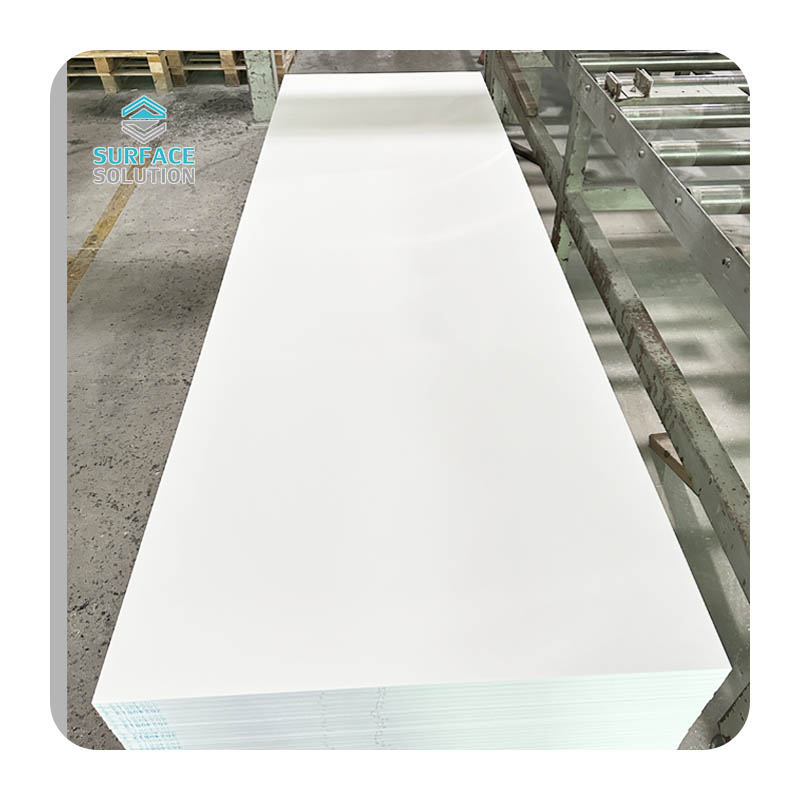 Acrylic solid surface is a premium engineered composite material widely used for kitchen countertops, vanity tops, wall panels, custom furniture and commercial interior projects. Many people confuse it with pure acrylic sheet or natural marble, but it is a carefully formulated blend of mineral powde
 -
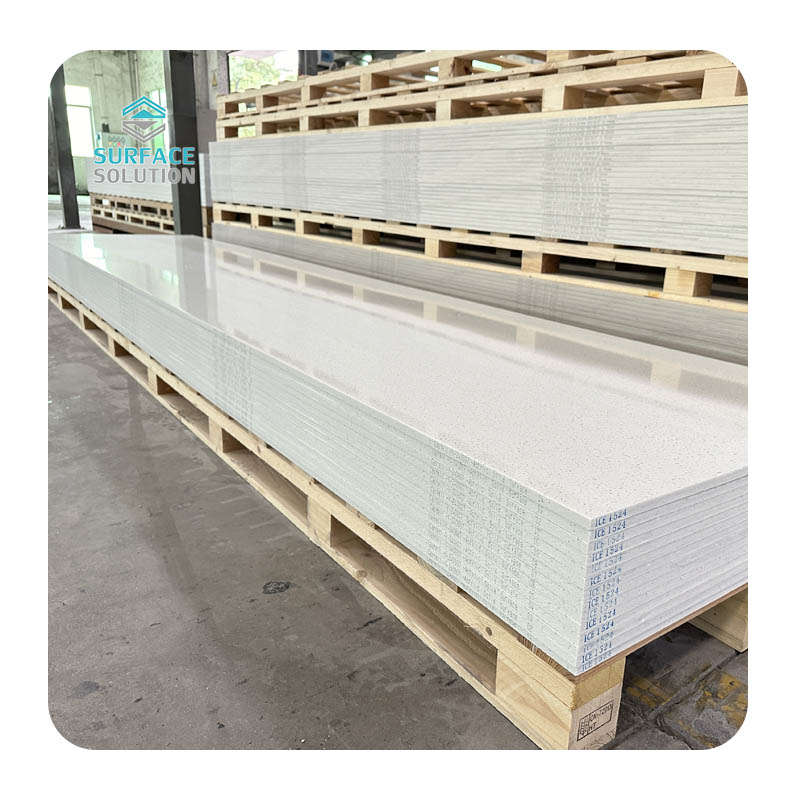 Kitchens and bathrooms are the most frequently used and easily worn spaces in residential and commercial buildings, where countertops face constant spills, moisture, friction, and daily stains. Compared with traditional materials such as natural marble, granite, quartz stone, and laminate, acrylic s
 -
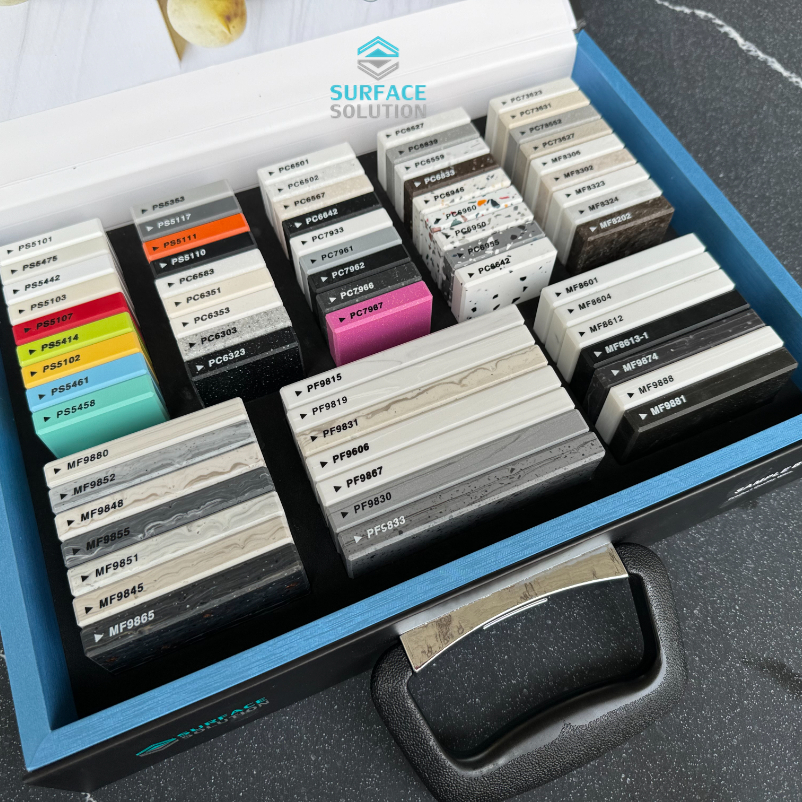 In modern commercial architecture and interior design, selecting durable, hygienic, and aesthetically versatile materials is critical to balancing long-term functionality and visual appeal. Commercial grade acrylic solid surface has emerged as a top-tier choice for high-traffic business spaces, wide
 -
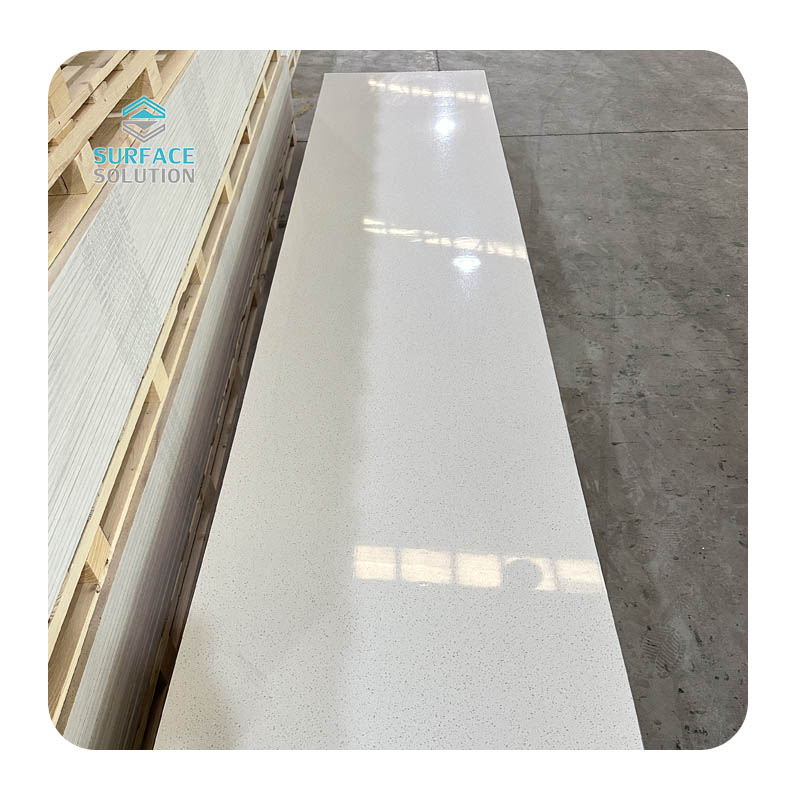 In the evolving landscape of residential and commercial interior renovation, custom countertops have transitioned from basic functional surfaces to core design focal points that define overall space aesthetics. Large format acrylic solid surface panels have quickly become a game-changing material fo


