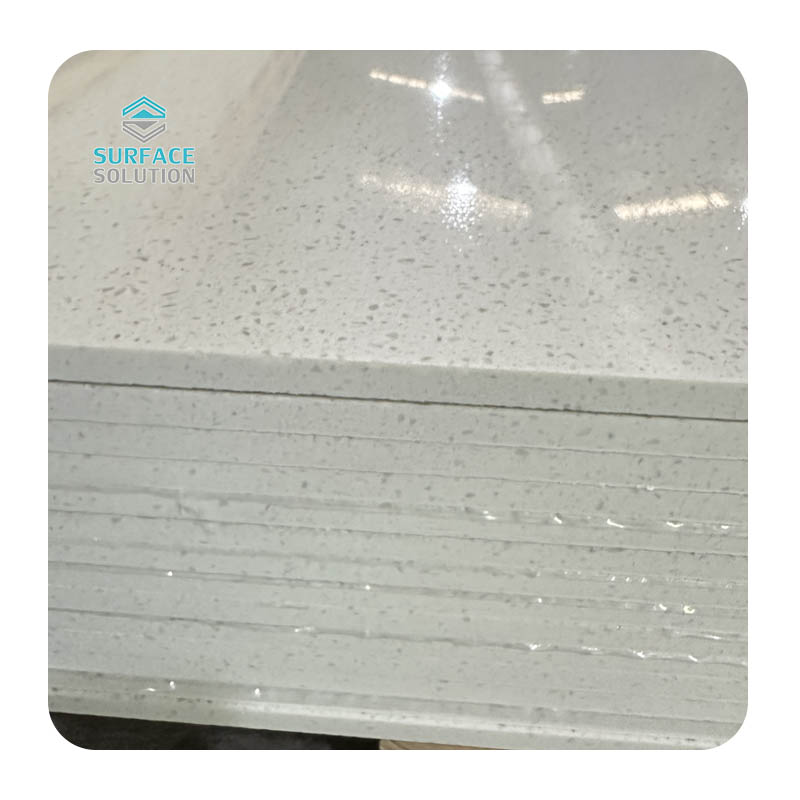
Solid Surface Stone Maintenance: Do's And Don'ts


Use a soft cloth, sponge, or microfiber towel (avoid scrub brushes with stiff bristles).
Opt for mild, pH-neutral cleaners: dish soap (diluted with water), all-purpose cleaners labeled “non-abrasive,” or brand-specific solid surface cleaners
Wipe spills immediately—even non-staining liquids (like water or lotion) can leave mineral deposits if left to dry.
Example: A quick wipe with a soapy microfiber cloth after each use will keep your solid surface vanity top free of soap scum without damaging its finish.
Organic stains (coffee, makeup, or food): Dampen a cloth with warm water and mild dish soap, then gently rub the area in circular motions. For tough stains, add a small amount of baking soda to the cloth (baking soda is mild enough to avoid scratching but effective for lifting pigment).
Mineral deposits (hard water spots): Mix equal parts white vinegar and water, apply to the spot with a soft cloth, and let sit for 5–10 minutes before wiping clean. Rinse thoroughly to remove vinegar residue.
Oil-based stains (lotions, hair oil): Use a cloth dampened with rubbing alcohol (isopropyl alcohol) to break down the oil, then wipe with soapy water.
Light scratches: Use a 400–600 grit wet/dry sandpaper (wet the sandpaper first to reduce friction) and sand the scratch in a circular motion. Follow with a higher-grit sandpaper (800–1000 grit) to smooth the area, then buff with a dry microfiber cloth to restore shine.
Small chips: Use a solid surface repair kit or contact a professional fabricator for seamless fixes.
Use heat-resistant trivets or coasters under hot items: hair dryers, curling irons, hot wax warmers, or even a steaming cup of tea.
Avoid placing hot pots or pans directly on solid surface countertops (if used in a bathroom vanity with a small kitchenette).
Wipe up hot water spills quickly—especially near edges or seams, where heat can weaken the material.
Fill a spray bottle with a 50/50 mix of water and isopropyl alcohol.
Spray the surface evenly and let sit for 10 minutes to dissolve grease, soap scum, and mineral deposits.
Wipe clean with a damp microfiber cloth, then dry with a towel to prevent water spots.
For matte finishes, follow with a gentle buff using a dry cloth to enhance texture; for high-gloss finishes, use a brand-specific polish to boost shine.
Scrub brushes with metal bristles, steel wool, or scouring pads (e.g., Brillo pads).
Abrasive cleaners: bleach-based products, ammonia, oven cleaners, tile cleaners with grit, or powdered cleansers (e.g., Comet).
Sandpaper with grit lower than 400 (coarse sandpaper will leave deep scratches that are hard to repair).
Acidic substances: Drain cleaners (e.g., Drano), toilet bowl cleaners with hydrochloric acid, lemon juice, or vinegar (except when diluted for mineral deposits—never use full-strength vinegar).
Solvents: Paint thinners, acetone (nail polish remover), or turpentine. These can dissolve the acrylic resin in solid surface stones, leaving permanent marks.
Hair dyes and permanent makeup: These highly pigmented products can seep into small scratches (even if you can’t see them) and cause irreversible staining.
Don’t sit or stand on vanity tops
Avoid dropping heavy items: hair dryers, ceramic soap dishes, or glass bottles.
Don’t cut directly on solid surface countertops (even if you’re trimming a small item like a cotton pad). Use a cutting board to prevent scratches or nicks.
Don’t scrub seams aggressively—use a soft cloth to clean them, as harsh rubbing can loosen the adhesive over time.
Don’t let water pool near seams for extended periods. While solid surface is waterproof, standing water can seep into tiny gaps (if the seam was poorly installed) and cause mold growth behind the surface.
Make the damage worse (e.g., sanding a crack incorrectly can widen it).
Create mismatched colors or textures (if you use the wrong filler or sandpaper).
Void your manufacturer’s warranty (many brands, like Staron® or Hanex®, require professional repairs to keep warranties valid).
Related Blogs
-
 Caster vs Wheel: Moving Acrylic Solid Surface UnitsUnderstanding mobility hardware often feels confusing for DIY builders and commercial furniture manufacturers alike. People frequently use the terms interchangeably, assuming they describe the exact same mechanical part. This simple misunderstanding
 -
 Top Mistakes to Avoid When Installing Bathroom Sink Furniture (Acrylic Artificial Stone Focus)Acrylic artificial stone has become a beloved choice for bathroom sink furniture, thanks to its seamless appearance, non-porous surface, and remarkable durability—blending the elegance of natural stone with