


As integral fixtures in kitchens and bathrooms, sinks are frequently exposed to friction, impact and abrasive contact during daily use. Scratch resistance has become one of the most critical indicators for evaluating sink durability and long-term aesthetic performance. Among various mainstream sink materials, solid surface sinks have gained widespread recognition for their balanced scratch resistance, surface restorability and texture consistency. Different from stainless steel sinks that are prone to fine hairline scratches and ceramic sinks that suffer from irreversible chipping and hard scratches, solid surface materials present unique advantages in anti-scratch performance and post-damage repair, making them a preferred option for modern high-quality home decoration.
In terms of practical anti-scratch performance parameters, high-quality solid surface sinks achieve a moderate Mohs hardness of 3 to 4, which is scientifically optimized for household use scenarios. This hardness level is sufficient to withstand daily friction from tableware, kitchen utensils, cleaning cloths and daily sundries. Daily operations such as wiping the sink, placing bowls and plates, and slight rubbing with plastic and wooden kitchen tools will not leave permanent marks on the surface. Unlike ultra-hard but brittle quartz stone sinks that produce obvious white scratches and even crack under local impact, solid surface sinks resist conventional scratching while maintaining flexible structural toughness, preventing surface chipping and peeling caused by external force friction.

The most distinctive core advantage of solid surface sinks in scratch resistance is their repairable scratch performance, which is incomparable to most traditional sink materials. Stainless steel sinks form dense, permanent hairline scratches after long-term friction, which gradually accumulate to make the surface dull and difficult to restore. Ceramic and glazed stone sinks have hard surfaces, but any deep scratch will damage the glaze layer, resulting in permanent scars and hidden hygiene dead ends. In contrast, minor and medium scratches on solid surface sinks can be completely eliminated through simple manual polishing and fine sanding. The homogeneous material structure ensures that the polished surface is consistent with the original texture, color and gloss, realizing long-term renewal effect.
In practical household application scenarios, solid surface sinks show outstanding anti-scratch adaptability to complex daily operations. In kitchen environments, frequent contact with vegetable peels, metal spoons, stainless steel pots and cleaning sponges will not cause obvious damage to the sink surface. In bathroom scenarios, friction from toiletries, bathing tools and daily washing will not leave messy scratch traces. Even under long-term continuous use, the surface of qualified solid surface sinks can maintain uniform smoothness without the aging and mottling problems caused by accumulated scratches, keeping the overall appearance neat and high-grade for years.
It is necessary to clarify that solid surface sinks have rational limits in scratch resistance and cannot resist extreme hard object friction. Sharp hard materials such as metal blades, steel wire balls, screwdrivers and gravel will cause deep irreversible scratches if rubbed vigorously on the sink surface. Long-term friction with high-hardness debris will also damage the surface smoothness of the solid surface layer. Therefore, although solid surface sinks are far more scratch-resistant and repairable than ordinary composite sinks, they still require standardized use to avoid man-made extreme damage.

Scientific daily maintenance is the key to maintaining the long-term scratch resistance and surface gloss of solid surface sinks. Firstly, avoid using rough cleaning tools such as steel wire balls and coarse sandpaper for daily cleaning; choose soft sponge, cotton cloth and neutral cleaning agents to wipe the surface, which can effectively prevent artificial abrasive scratches. Secondly, avoid dragging sharp metal utensils and hard sundries on the sink surface at will to reduce friction damage. Thirdly, for accidental minor scratches, timely fine polishing with a professional solid surface polishing paste can restore the surface gloss; for deeper scratches, simple manual sanding and secondary polishing can achieve complete repair without leaving any trace.
Related Blogs
-
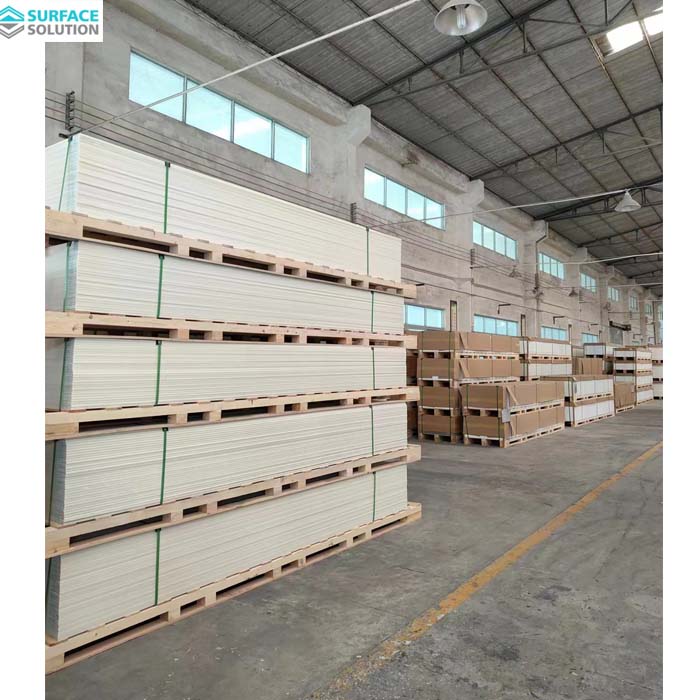 White acrylic solid surface remains a top-selling option for distributors, wholesalers and project contractors, widely specified for kitchen countertops, bathroom vanities, hotel vanity tops, commercial reception counters and custom tabletops. A common question from your downstream buyers is straigh
 -
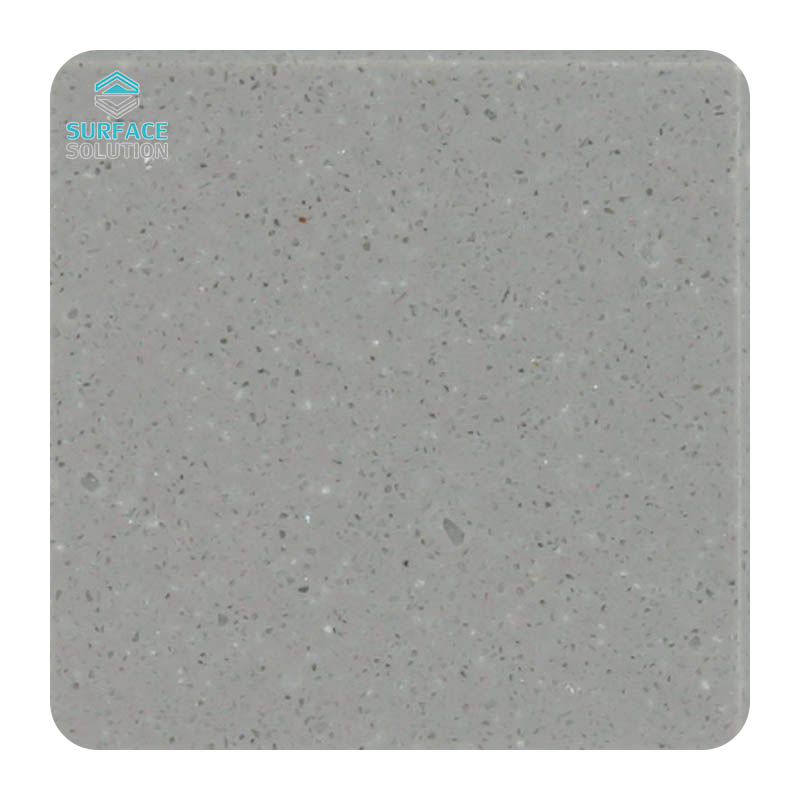 When renovating kitchens, bathrooms or commercial spaces, homeowners and designers often weigh different countertop materials. Acrylic solid surface is one of the most popular options, but a common question remains: is it durable enough for everyday use?Acrylic solid surface countertops are manufact
 -
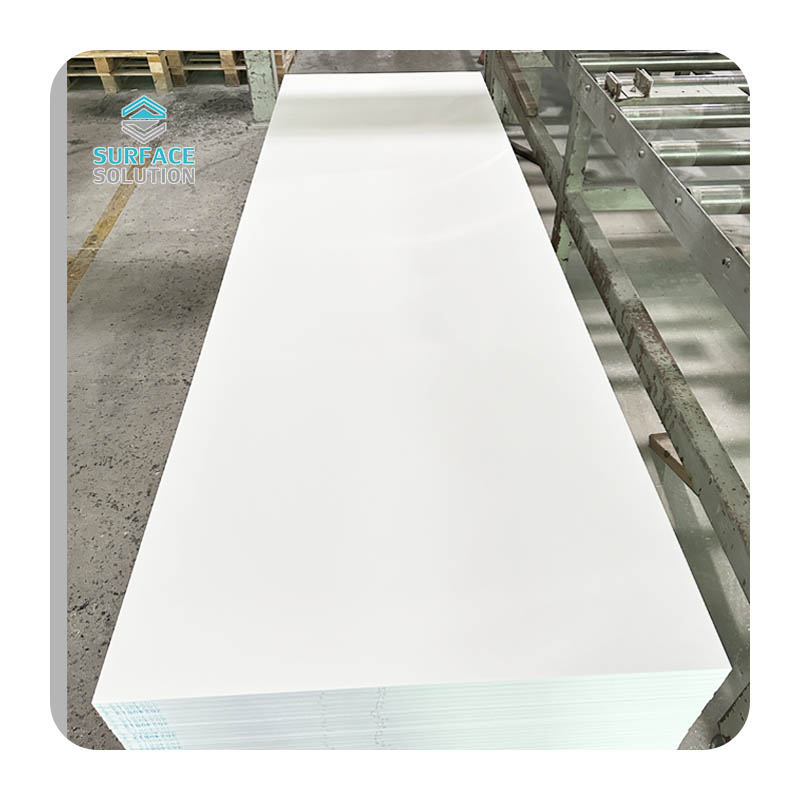 Acrylic solid surface is a premium engineered composite material widely used for kitchen countertops, vanity tops, wall panels, custom furniture and commercial interior projects. Many people confuse it with pure acrylic sheet or natural marble, but it is a carefully formulated blend of mineral powde
 -
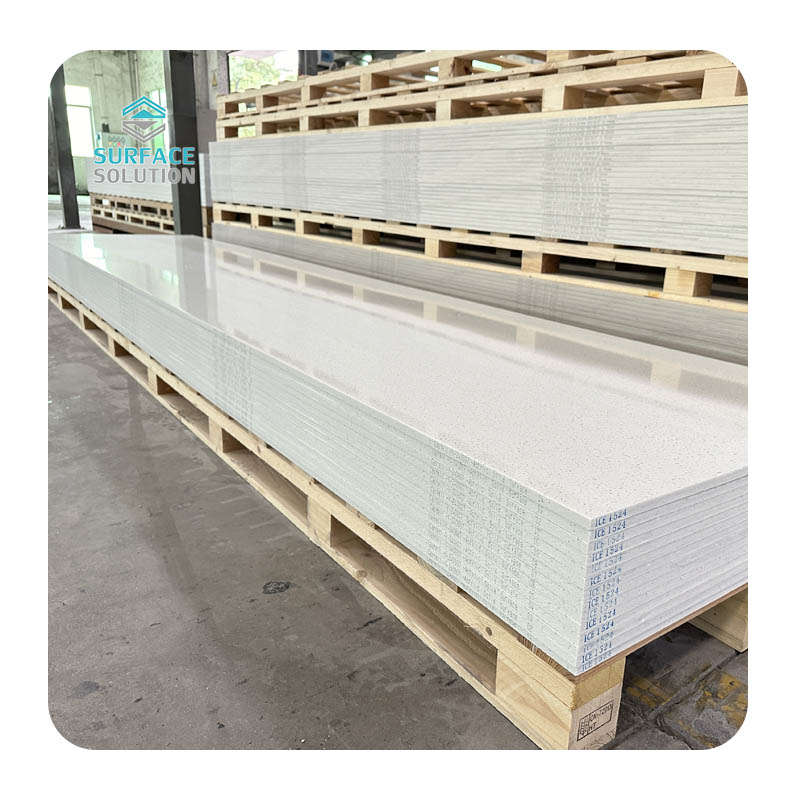 Kitchens and bathrooms are the most frequently used and easily worn spaces in residential and commercial buildings, where countertops face constant spills, moisture, friction, and daily stains. Compared with traditional materials such as natural marble, granite, quartz stone, and laminate, acrylic s


