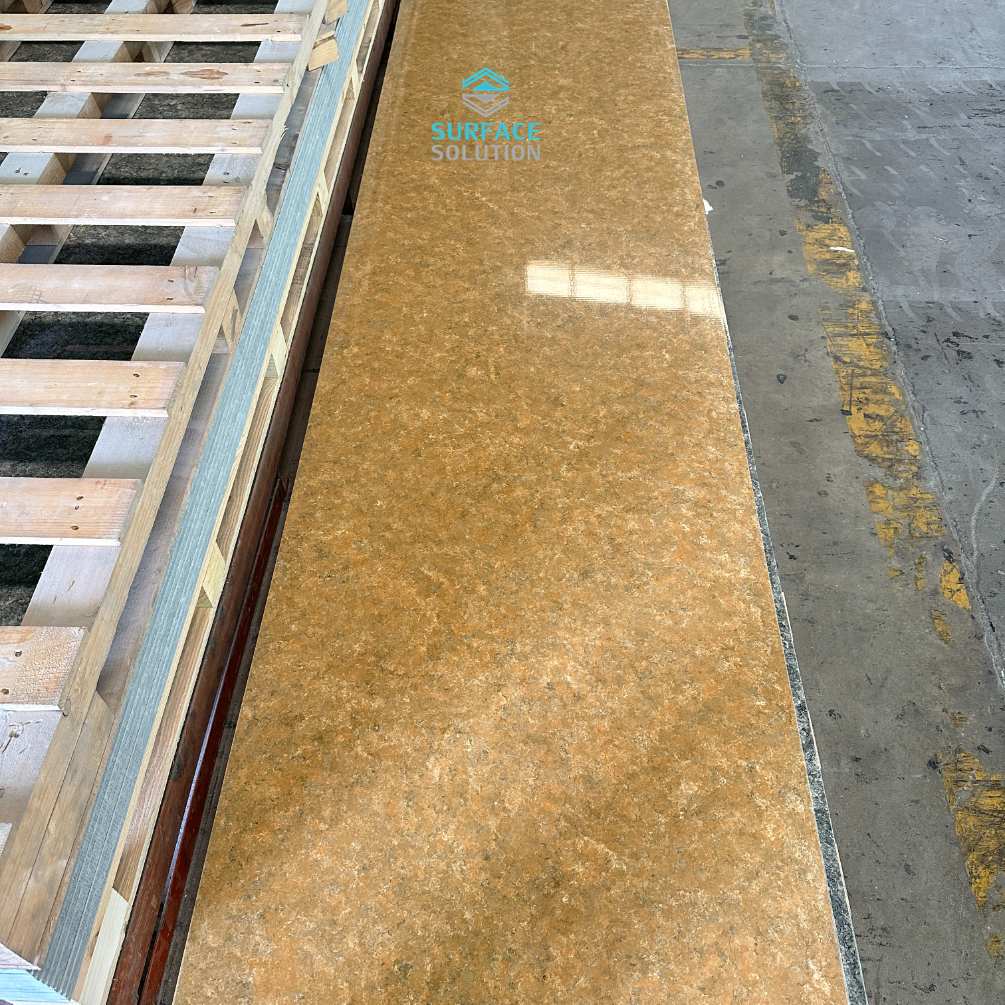
In commercial spaces, offices, hotels, clinics, and retail stores,
reception counters and reception desks are indispensable core furnishings that shape the first impression of a brand. Most people tend to use these two terms interchangeably, assuming they refer to the same functional furniture. However, in professional interior design and commercial construction, reception counters and reception desks have distinct differences in structural design, functional positioning, spatial layout, and material application. Especially for
acrylic solid surface—the most popular high-end custom material for modern
reception furniture—the differences in usage scenarios between counters and desks further highlight their unique design values. This article will clarify the essential differences between reception counters and desks, while exploring the exclusive advantages of acrylic solid surface when applied to these two types of furniture.
Basic Definition & Core Functional Differences
The fundamental gap between a
reception counter and a reception desk lies in their service objects and core functions, which determines their overall design logic and spatial attributes.
A reception counter is a semi-enclosed, barrier-style commercial facility designed mainly for business interaction and passenger flow isolation. It acts as a functional boundary between staff working areas and customer visiting areas. Its core purpose is to receive visitors, complete registration, consultation, checkout, and service processing, while separating public and private spaces. Counters usually bear high-frequency commercial operations and need to adapt to continuous customer flow, so they prioritize practicality, durability, and standardized service efficiency.
In contrast, a reception desk is an open, communication-oriented furniture focusing on face-to-face communication and intimate negotiation. It is mostly used for small-scale business talks, guest reception, and casual communication. Without obvious spatial barrier attributes, the reception desk emphasizes a relaxed and equal communication atmosphere. It is smaller in scale, more flexible in layout, and focuses on creating a warm and comfortable interactive experience rather than bearing intensive service work.
Structural & Dimensional Differences
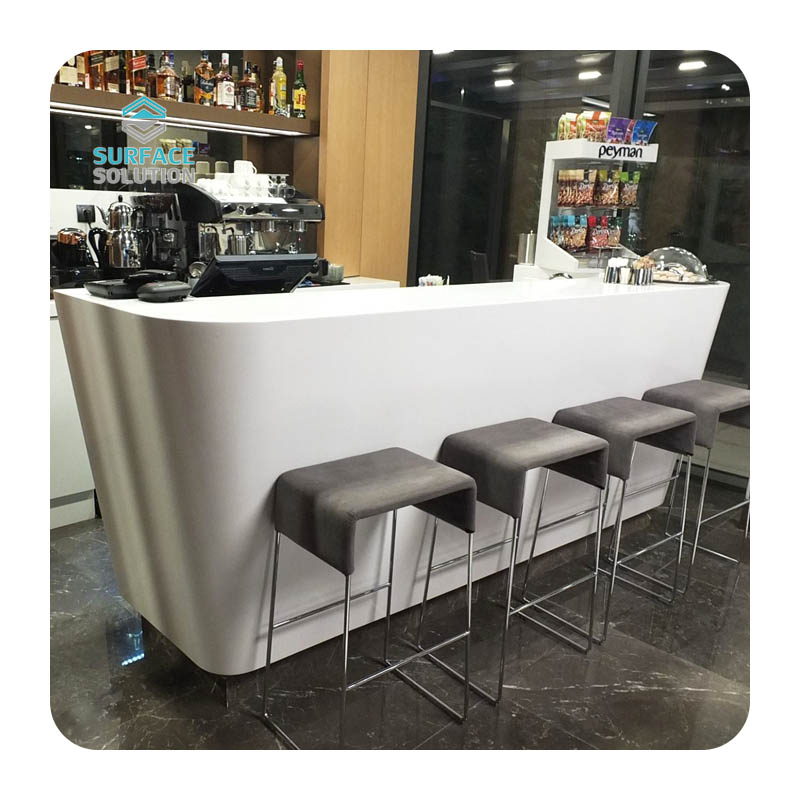
Structurally and dimensionally, reception counters and desks show obvious distinctions, which are fully optimized when made with acrylic solid surface materials.
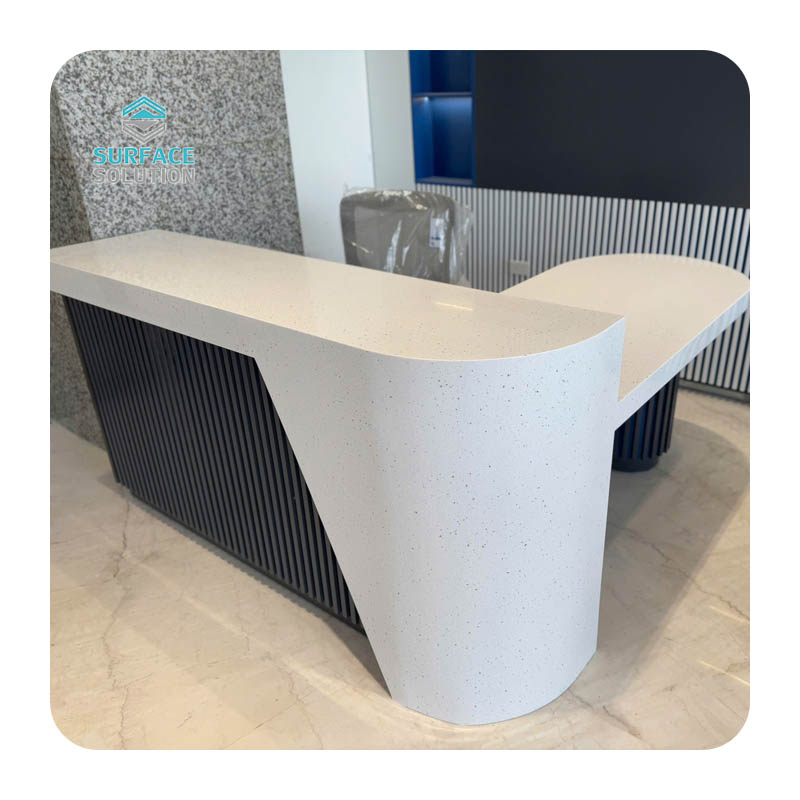
Reception counters feature a two-height staggered structure in most cases. The outer customer-facing side is designed with a moderate height for guests to fill in forms, place items, or handle business, while the inner staff side is lower and wider, reserving space for computers, office equipment, file storage, and long-hour office work. Counters are usually long and integrated, with a continuous linear or curved overall shape to adapt to centralized passenger reception. They are fixed installations that integrate with the overall space decoration, requiring overall coordination with the wall, background wall, and floor style.
Reception desks adopt a single flat structure with a uniform tabletop height on all sides. There is no functional height difference or internal and external partition design. The overall size is compact and regular, mostly in square, round, or small rectangular shapes. The structure is simple and flexible, easy to move and adjust the placement. Different from the fixed and integrated design of counters, reception desks are independent furniture with no need for integrated construction with the space, focusing on lightweight and versatility.
Scenario Application Differences
The differentiated design of counters and desks makes them suitable for completely different commercial and office scenarios, and acrylic solid surface perfectly fits the usage needs of different scenarios due to its customizable performance.
Reception counters are widely used in high-traffic and formal business scenarios: hotel lobbies, corporate front halls, hospital registration halls, bank business halls, retail store cash registers, and property service centers. These scenarios require furniture with strong bearing capacity, easy cleaning, high wear resistance, and a neat and unified commercial image. The integrated seamless molding feature of acrylic solid surface allows the reception counter to have no splicing gaps, avoiding dust accumulation and bacterial growth, which is extremely suitable for high-frequency public service spaces.
Reception desks are more applied in low-frequency, refined communication scenarios: enterprise negotiation areas, office lounge areas, studio reception areas, and high-end club casual communication areas. These scenarios pay more attention to spatial texture and communication atmosphere. Acrylic solid surface can be customized into various low-saturation colors, matte textures, and smooth curved shapes, creating a high-end, simple, and warm negotiation atmosphere, greatly improving the comfort of business communication.
Acrylic Solid Surface: The Best Material for Modern Counters & Desks
Traditional reception furniture is mostly made of wood, stainless steel, or ordinary ceramic, which has obvious defects such as easy deformation, single color, obvious splicing gaps, and difficult maintenance. In recent years, acrylic solid surface has become the mainstream material for high-end reception counters and desks, precisely because it can target the functional differences between the two types of furniture and achieve targeted optimization.
For large integrated reception counters, acrylic solid surface supports integral seamless molding and arbitrary curved shaping. It can realize complex staggered height designs, arc transitions, and integrated connection with background walls. Its non-porous surface is waterproof, oil-proof, and stain-resistant, effectively coping with daily dirt, water stains, and frequent friction in high-traffic areas. Even if scratches appear after long-term use, they can be polished and repaired to restore a new look, meeting the long-term durable use needs of commercial counters.
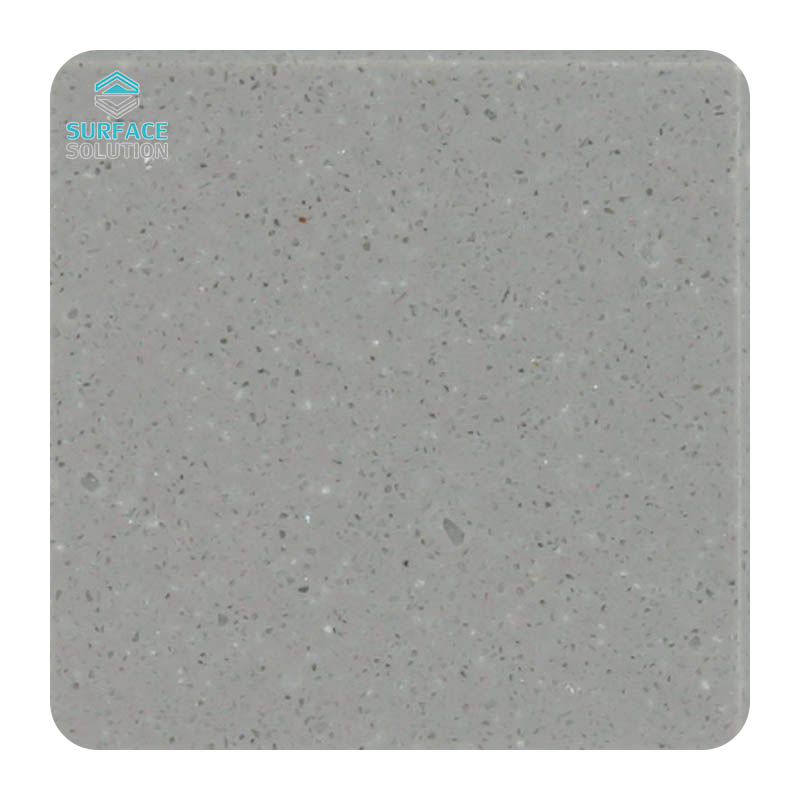
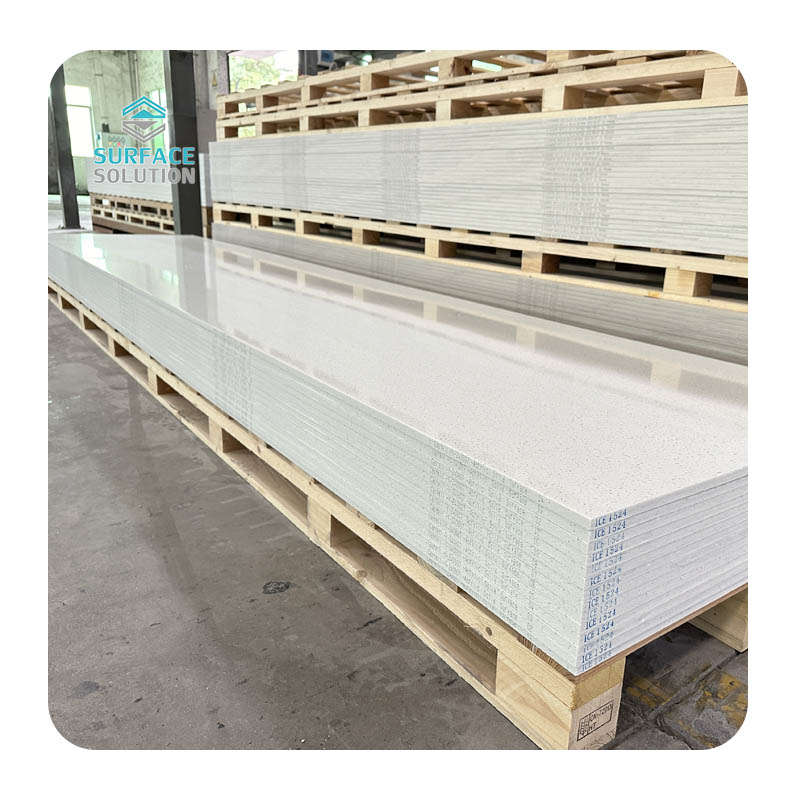
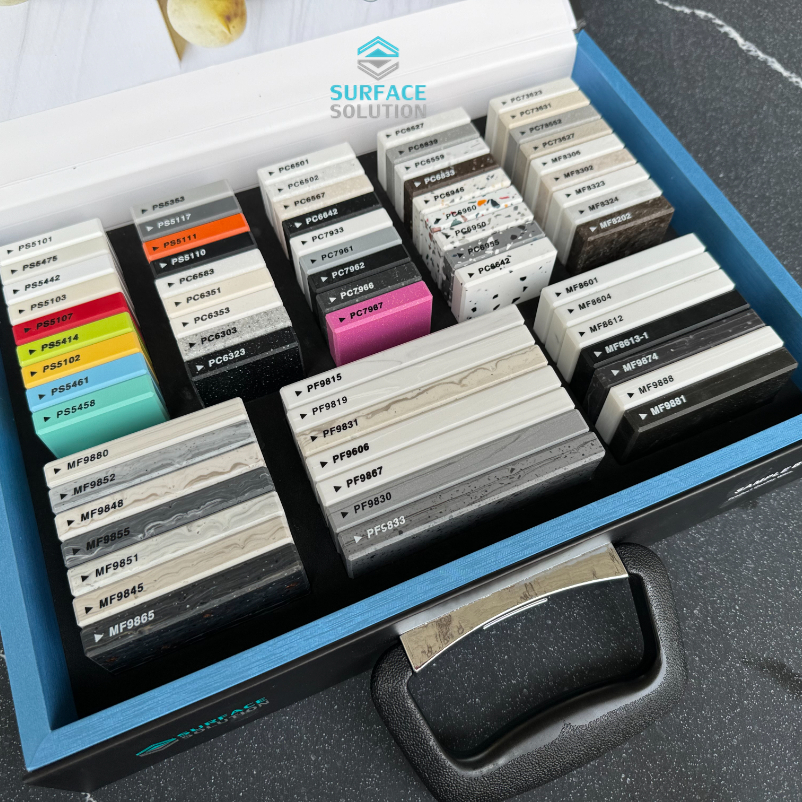
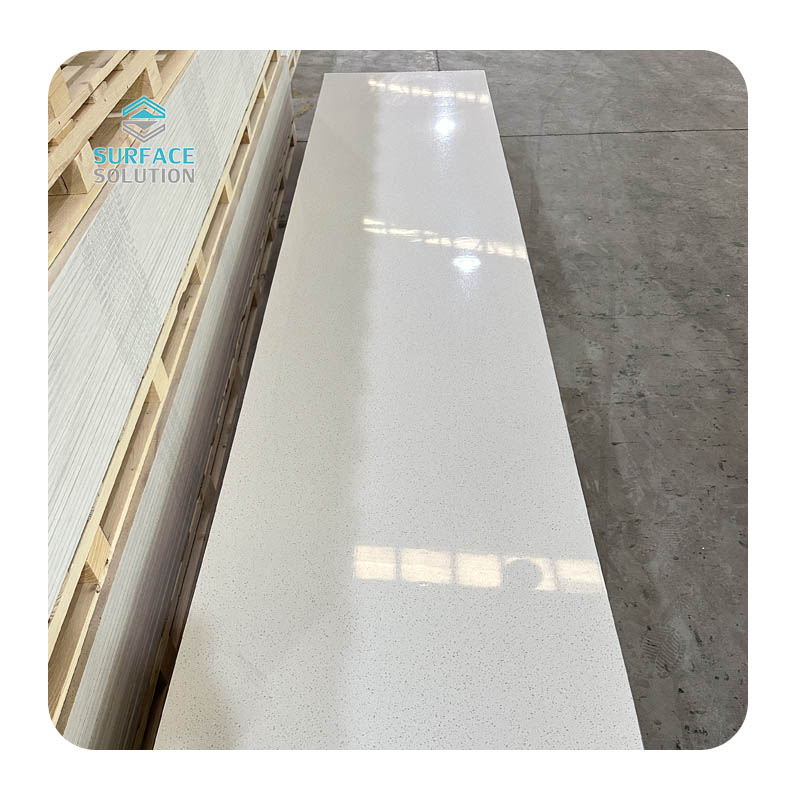
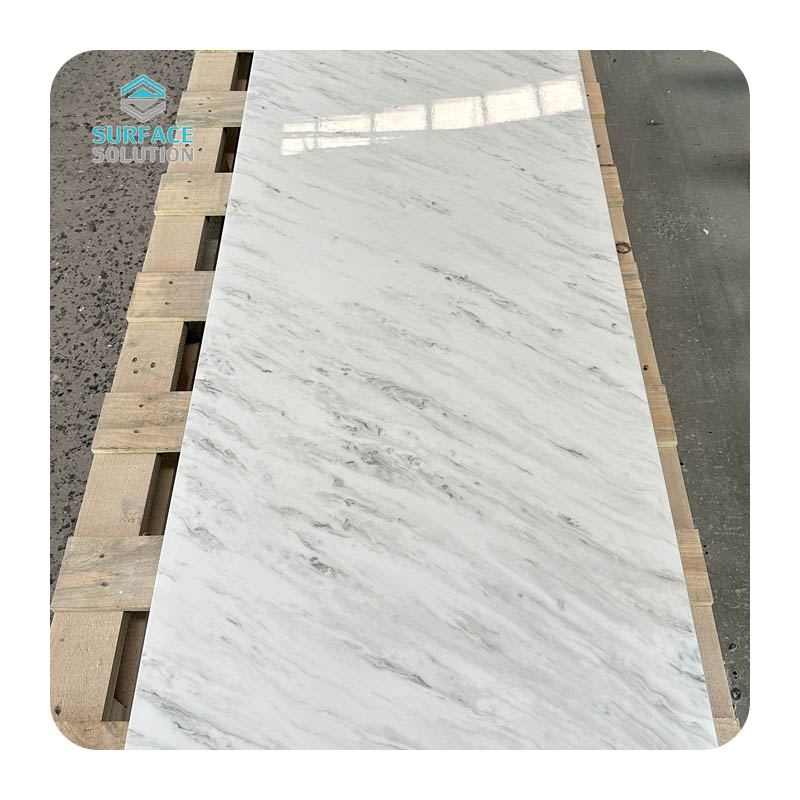
For exquisite reception desks, acrylic solid surface has rich color and texture options, including classic pure white, low-key gray, warm beige, and subtle speckled textures. It can realize matte, frosted, and glossy multiple surface effects, with delicate and uniform texture, no color difference, and strong overall consistency. Compared with wooden desks that are easy to get damp and deformed, and metal desks that are cold and rigid, acrylic solid surface reception desks are more textured, environmentally friendly, and durable, perfectly matching the refined design of modern office spaces.
Quick Summary of Core Differences
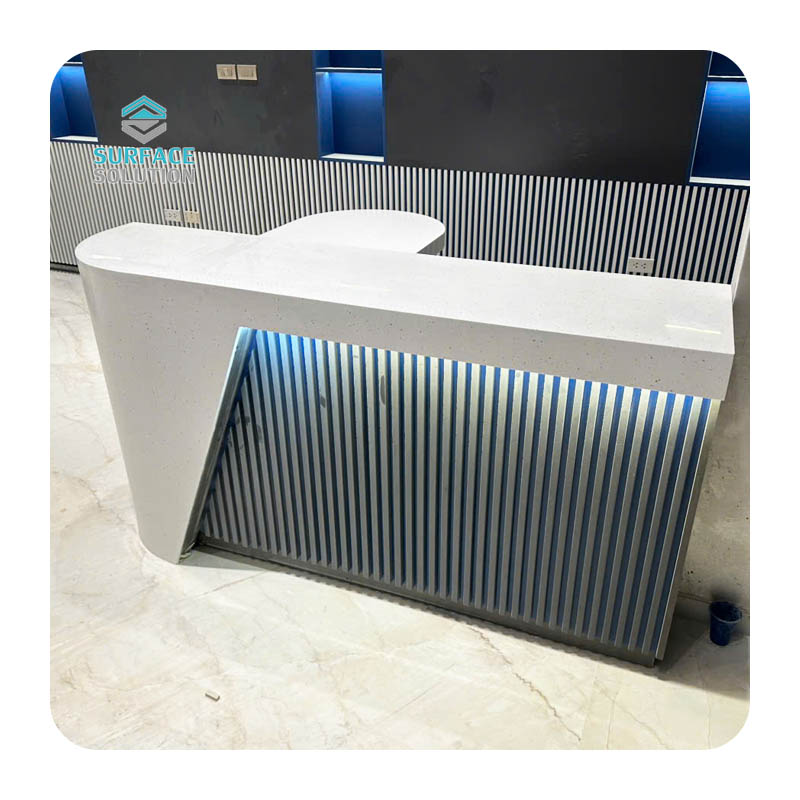
To sum up, the core difference between a reception counter and a reception desk lies in barrier function vs. communication function. The reception counter is a professional commercial service facility with partition attributes, focusing on efficiency, durability, and integration; the reception desk is a casual communication furniture with open attributes, focusing on comfort, flexibility, and aesthetics.
When matched with acrylic solid surface, the two types of furniture give full play to the material's advantages of arbitrary customization, seamless molding, easy maintenance, and diverse textures. It not only meets the functional differences of different reception scenarios but also unifies the modern and high-end spatial aesthetic, becoming the preferred solution for commercial space reception furniture design.
Conclusion
Distinguishing between reception counters and desks helps designers and business owners select more targeted furniture solutions for different spatial scenarios. As a superior new material, acrylic solid surface perfectly adapts to the structural and functional needs of both counters and desks. It breaks the limitations of traditional furniture materials, balances practicality and aesthetics, durability and texture, and has become an indispensable key material for modern commercial space reception design. Whether it is a high-frequency service reception counter or a refined negotiation reception desk, acrylic solid surface can create high-quality, long-lasting, and stylish space furnishings.