


How To Choose The Perfect Bathroom Sink Furniture for Your Space


Your bathroom sink furniture should harmonize with your home’s overall design theme. For modern or minimalist interiors, sleek lines and monochromatic finishes shine—think acrylic solid surface vanities with seamless edges or metal-framed sinks. Industrial styles pair well with exposed pipe frames and concrete countertops, while rustic or natural themes benefit from bamboo vanities or wooden accents. Avoid clashing styles; a vintage brass frame might feel out of place in an ultra-modern bathroom, for example.

Seamless Design: Acrylic solid surface allows sinks and countertops to be molded as a single piece, eliminating grout lines that trap dirt and bacteria—ideal for hygiene-focused spaces.
Resilience: It resists stains, scratches, and moisture, making it perfect for busy households with kids or frequent use.
Versatility: Available in a wide range of colors, it can mimic the look of marble or stone without the high maintenance.
Other durable options include porcelain (classic and easy to clean), stainless steel (industrial and rust-resistant), and marble (luxurious but requires regular sealing).

Related Blogs
-
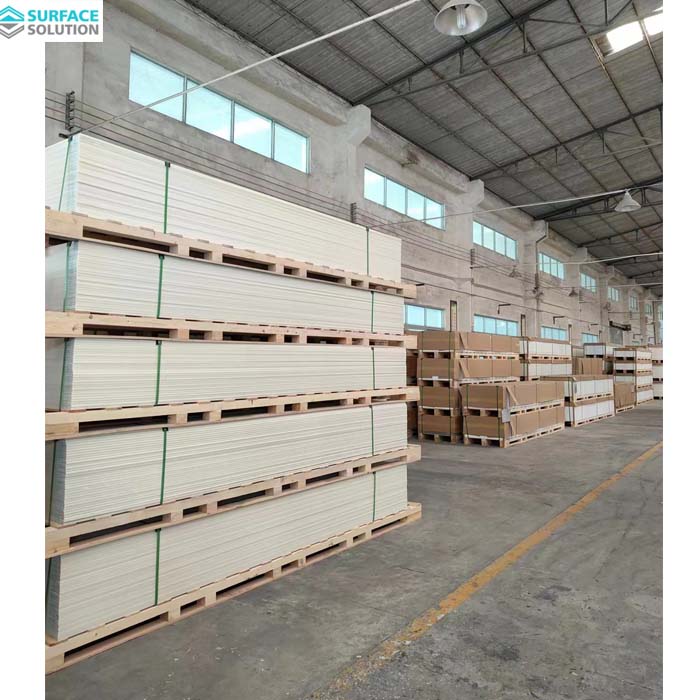 White acrylic solid surface remains a top-selling option for distributors, wholesalers and project contractors, widely specified for kitchen countertops, bathroom vanities, hotel vanity tops, commercial reception counters and custom tabletops. A common question from your downstream buyers is straigh
 -
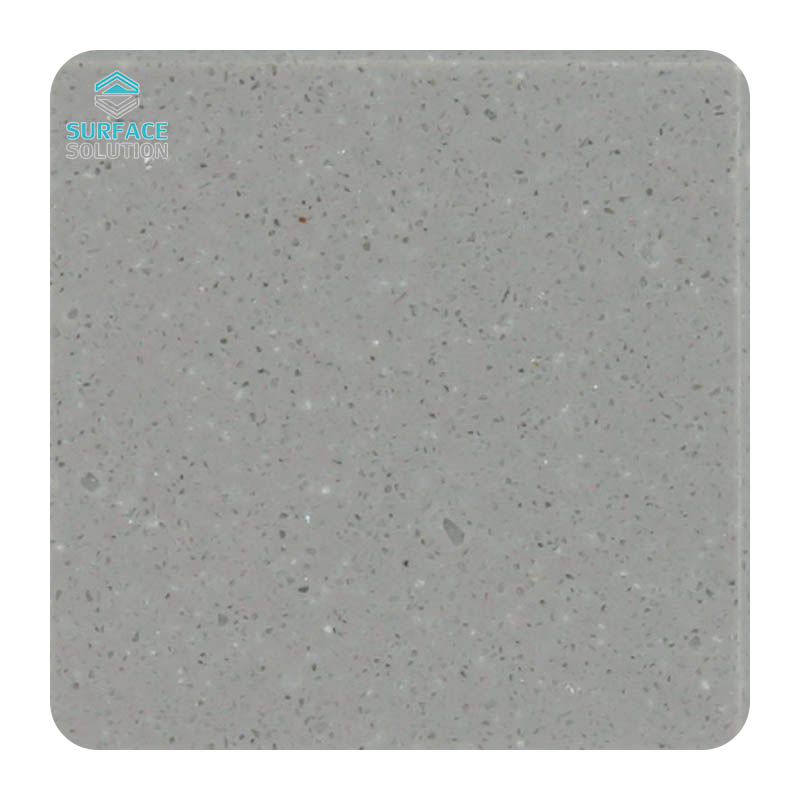 When renovating kitchens, bathrooms or commercial spaces, homeowners and designers often weigh different countertop materials. Acrylic solid surface is one of the most popular options, but a common question remains: is it durable enough for everyday use?Acrylic solid surface countertops are manufact
 -
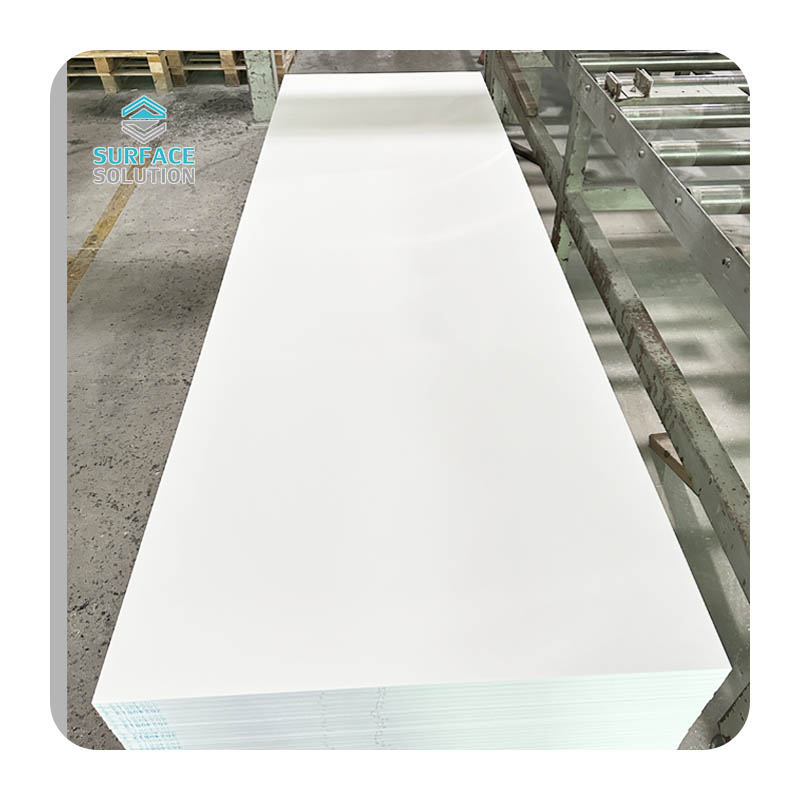 Acrylic solid surface is a premium engineered composite material widely used for kitchen countertops, vanity tops, wall panels, custom furniture and commercial interior projects. Many people confuse it with pure acrylic sheet or natural marble, but it is a carefully formulated blend of mineral powde
 -
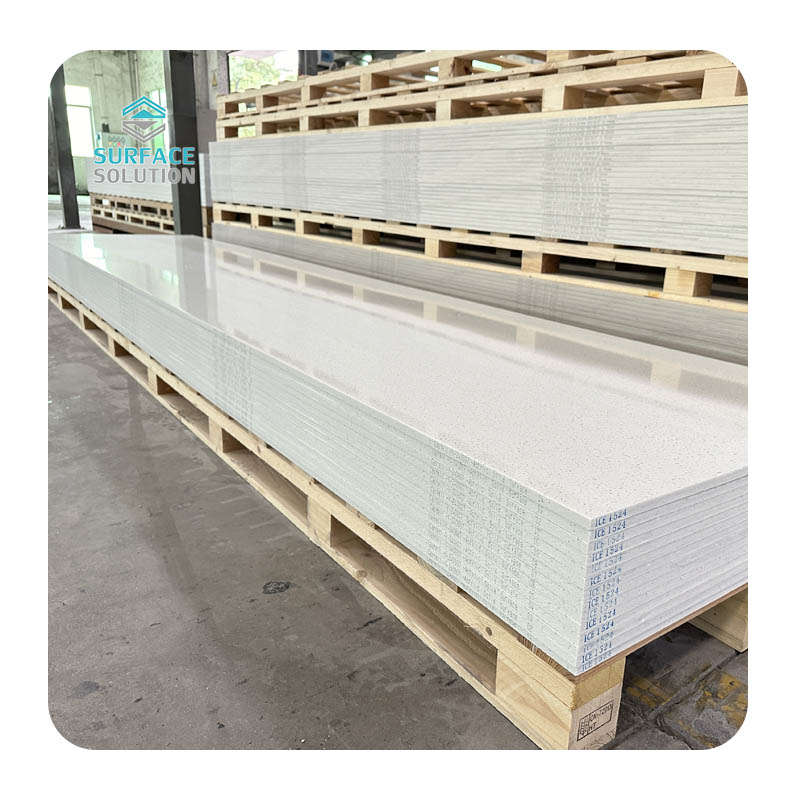 Kitchens and bathrooms are the most frequently used and easily worn spaces in residential and commercial buildings, where countertops face constant spills, moisture, friction, and daily stains. Compared with traditional materials such as natural marble, granite, quartz stone, and laminate, acrylic s


