


DIY Installation Guide for Solid Surface Stone Countertops


Measuring Tools: Tape measure (25ft+), straightedge (4ft), level (2ft+), pencil, and masking tape (for marking).
Cutting Tools: Circular saw with a fine-tooth blade (100-120 teeth, designed for plastic/acrylic), jigsaw (for curves), and a router (with a flush-trim bit for seams).
Finishing Tools: Sandpaper (120-grit, 220-grit, and 400-grit), sanding block, and a polishing compound (specific for solid surface).
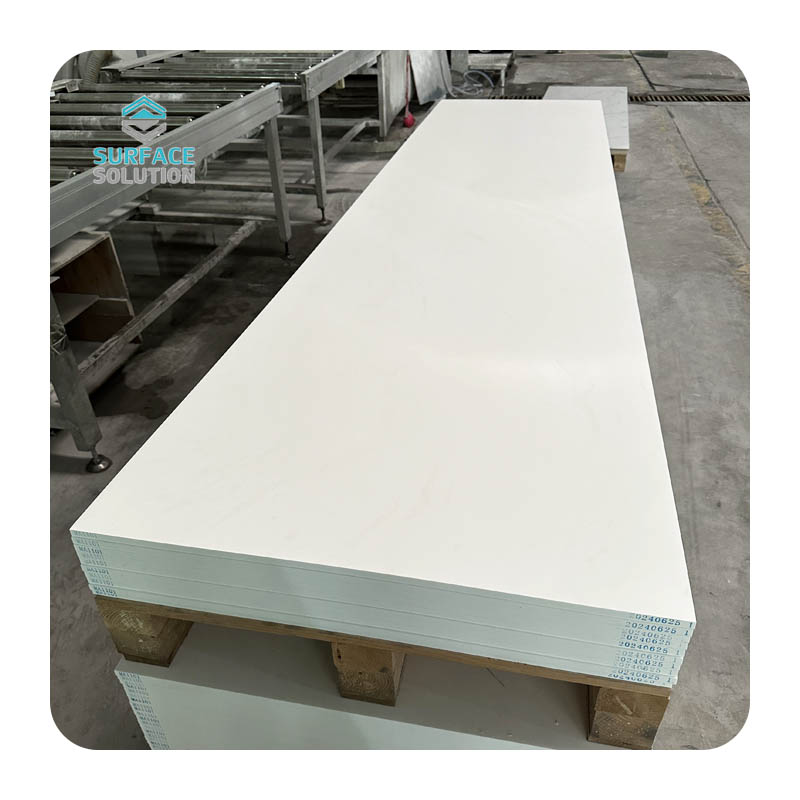
Installation Supplies: Solid surface slabs (ordered 1-2 inches larger than your measurements), silicone adhesive (clear, non-yellowing, and compatible with solid surface), clamps (bar clamps or C-clamps), shims (wood or plastic), and a seam kit (if seaming multiple slabs).
Safety Gear: Safety glasses, dust mask, work gloves, and ear protection (for cutting tools).
Measure the length and depth of each cabinet run. Add 1 inch to both dimensions to account for overhang (typically 1 inch over the front of cabinets and ½ inch over the sides).
For L-shaped countertops, measure both legs of the “L” and note the corner angle (most are 90 degrees, but confirm).
Mark measurements on a piece of cardboard or paper to create a template—this helps visualize cuts and avoids errors.
Double-check measurements: A 1/8-inch mistake can ruin a slab, so measure twice, cut once.

Remove old countertops (if replacing) and clean the cabinet tops thoroughly.
Check for level: Place a 2ft level across the cabinets. If there are gaps (more than 1/8 inch), use shims to raise low spots. Secure shims with wood glue to keep them in place.
Add a support layer (optional but recommended): For extra stability, attach ¾-inch plywood to the cabinet tops (cut to match cabinet dimensions). This distributes weight evenly and prevents the solid surface from sagging.
Lay the slab on a flat workbench (use sawhorses if needed). Place your template on top and secure it with masking tape (to avoid shifting).
Trace the template onto the slab with a pencil. For straight cuts, use a straightedge to guide your line—this ensures smooth, even edges.
Mark cutouts for sinks or cooktops: Use the sink/cooktop template (provided by the manufacturer) and center it on the slab. Trace the outline, then add a ¼-inch “cutting margin” (you’ll trim it to fit later).
Set your circular saw to a slow speed (3,000-4,000 RPM) to prevent melting the solid surface (acrylic can soften under high heat).
Clamp the slab to the workbench (use soft clamps or place a towel under clamps to avoid scratching the surface).
Position the saw blade just outside your marked line (leave 1/16 inch for sanding). Hold the saw firmly and cut in a steady, continuous motion—avoid stopping mid-cut, as this can cause jagged edges.
For curves (e.g., rounded corners) or sink cutouts, use a jigsaw with a fine-tooth blade. Drill a ½-inch hole inside the cutout area (to insert the jigsaw blade) before starting.
Cut along the marked line slowly, keeping the blade straight. For tight curves, use short, controlled strokes.
Place the two slabs on the cabinet base and align the edges. Use clamps to hold them together tightly—there should be no gaps between the edges (a thin piece of paper should not fit between them).
Mark the seam line on both slabs with masking tape (this helps align them later).
Remove the slabs and use a router with a flush-trim bit to smooth the edges. This ensures both edges are perfectly straight and flat.
Sand the edges with 120-grit sandpaper, then wipe away dust with a damp cloth.
Apply a thin, even layer of solid surface silicone adhesive to one edge (avoid excess—too much adhesive will squeeze out and create a mess).
Align the slabs using your masking tape marks and clamp them together (use bar clamps spaced 6-8 inches apart along the seam). Tighten the clamps until a small amount of adhesive oozes out (this confirms a tight bond).
Let the adhesive cure for 24 hours (follow the manufacturer’s instructions—cure time may vary).
Place the countertop on the cabinets and check for fit: It should sit evenly, with no rocking. Use a level to confirm it’s flat—adjust with shims if needed (insert shims under low spots).
Mark the cabinet edges on the bottom of the countertop (this helps you align it during final installation).
Lift the countertop and apply a bead of silicone adhesive to the cabinet tops (or plywood support) along the edges and at intervals of 12-16 inches.
Lower the countertop back into place, aligning it with your marks. Press down firmly to ensure good adhesion.
For extra security, drill ¼-inch pilot holes through the bottom of the cabinet rails into the countertop (avoid drilling all the way through the surface). Insert 1½-inch wood screws (use washers to prevent cracking) and tighten gently.
Use 120-grit sandpaper to smooth any rough edges (e.g., around cutouts or overhangs). Follow with 220-grit sandpaper for a finer finish, then 400-grit to polish.
Sand in a circular motion for curved edges and straight strokes for flat edges—keep the sandpaper wet (use a damp sponge) to reduce dust and prevent scratching.
Once the seam adhesive is fully cured, remove the clamps and scrape away excess adhesive with a plastic putty knife (metal can scratch the surface).
Sand the seam with 120-grit sandpaper, then progress to 220-grit and 400-grit. Finish with a polishing compound—apply a small amount to a soft cloth and buff the seam in circular motions until it blends with the rest of the surface.
For undermount sinks: Apply silicone adhesive to the sink flange, then lower it into the cutout. Secure it with clips (provided with the sink) from the bottom of the countertop. Let the adhesive cure for 24 hours before connecting plumbing.
For faucets or soap dispensers: Drill holes (using a hole saw) according to the fixture’s template, then install the fixtures and tighten them gently (over-tightening can crack the solid surface).
Avoid placing hot pans directly on the surface (use trivets—while solid surface is heat-resistant, extreme heat can cause discoloration).
Clean spills immediately (especially acidic substances like lemon juice or vinegar, which can etch the surface over time).
Use a mild soap and water for daily cleaning—avoid abrasive cleaners (e.g., scouring pads) that can scratch.
Related Blogs
-
 Artificial Stone Wall Art: Adding Texture and Depth to Modern InteriorsIn the pursuit of unique, expressive interior spaces, artificial stone wall art has become a powerful design element. Unlike flat paint, wallpaper, or ordinary wall panels, artificial stone wall art brings authentic texture, thre
 -
 Artificial Stone for Retail Spaces: Enhancing Customer ExperienceIn the fiercely competitive retail industry, store design is no longer merely a matter of interior decoration. It has evolved into a core strategic tool to attract foot traffic, extend customer stay time, and elevate brand perception.
 -
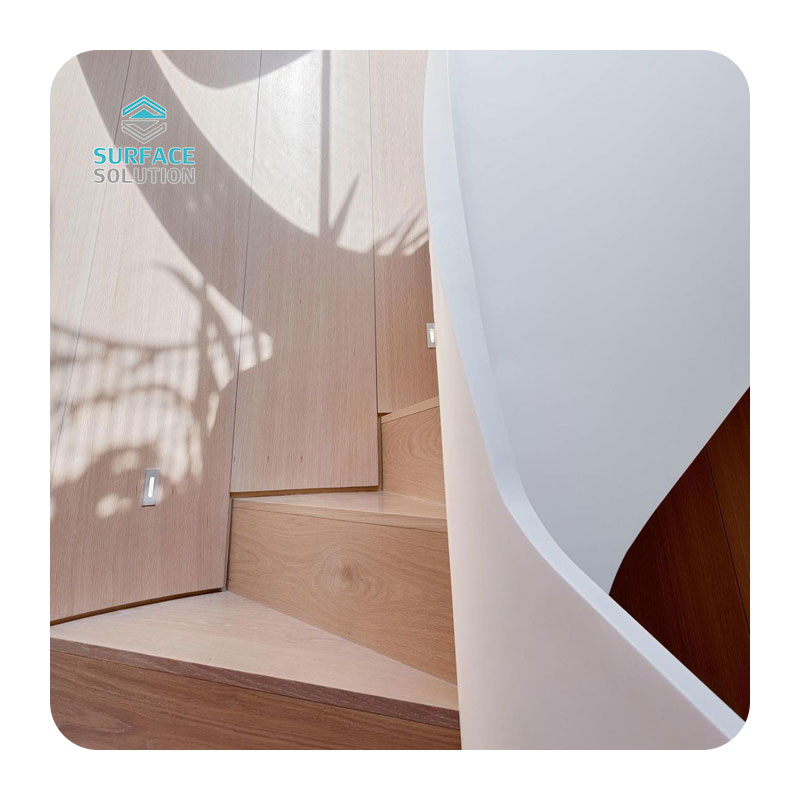 Artificial Stone Staircases: Combining Safety and StyleStaircases serve as both vital functional structures and core decorative elements in residential and commercial buildings. For decades, natural stone stair treads have been a popular choice for premium interior design, thanks to their elegant te
 -
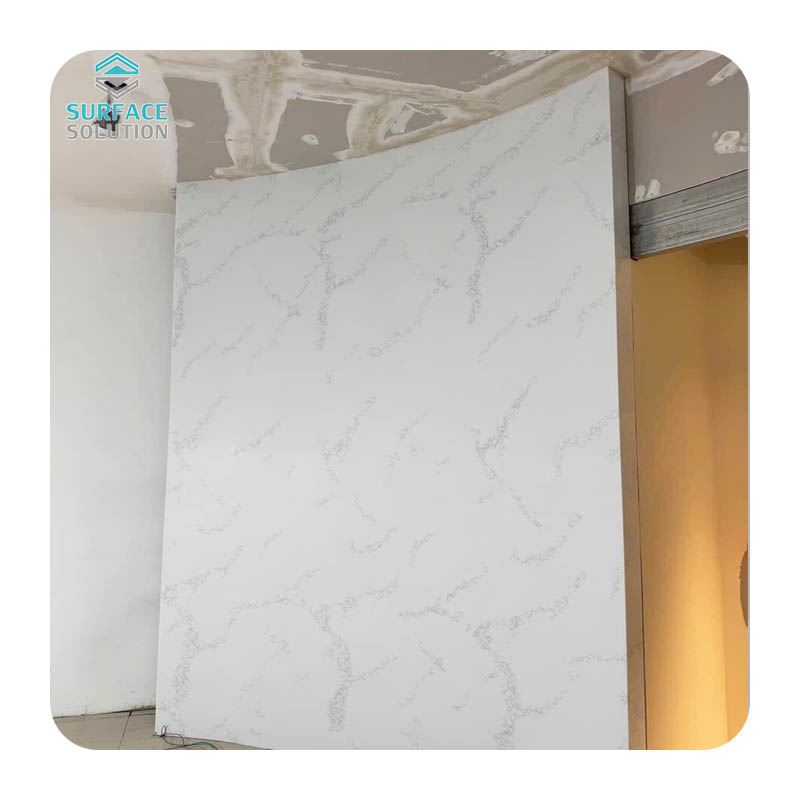 Artificial Stone Wall Panels: Transforming InteriorsNatural stone has long been revered in interior design for its timeless texture, elegant tones, and unique organic charm. Yet its inherent drawbacks—excessive weight, exorbitant costs, cumbersome installation, and high maintenance demands—have limi


