


Bathroom Sink Furniture for Small Spaces: Maximizing Functionality


Bathroom Sink Furniture for Small Spaces: Maximizing Functionality
In urban homes, tiny apartments, and compact powder rooms, small bathrooms present a universal design challenge: how to blend style, storage, and practicality without feeling cramped or cluttered. At the heart of this challenge lies bathroom sink furniture—especially pieces crafted fromacrylic solid surface, a material tailor-made for tight layouts. This versatile, seamless surface acts as the focal point that ties the space together while serving daily needs, offering unbeatable functionality and aesthetic appeal. For small bathrooms, the right acrylic solid surface sink furniture does more than just hold a basin; it maximizes every inch, eliminates wasted space, and transforms a cramped bathroom into a streamlined, functional oasis. By choosing smart acrylic-based designs, prioritizing vertical storage, and embracing space-saving features, homeowners can turn even the smallest bathroom into a highly efficient and inviting area.
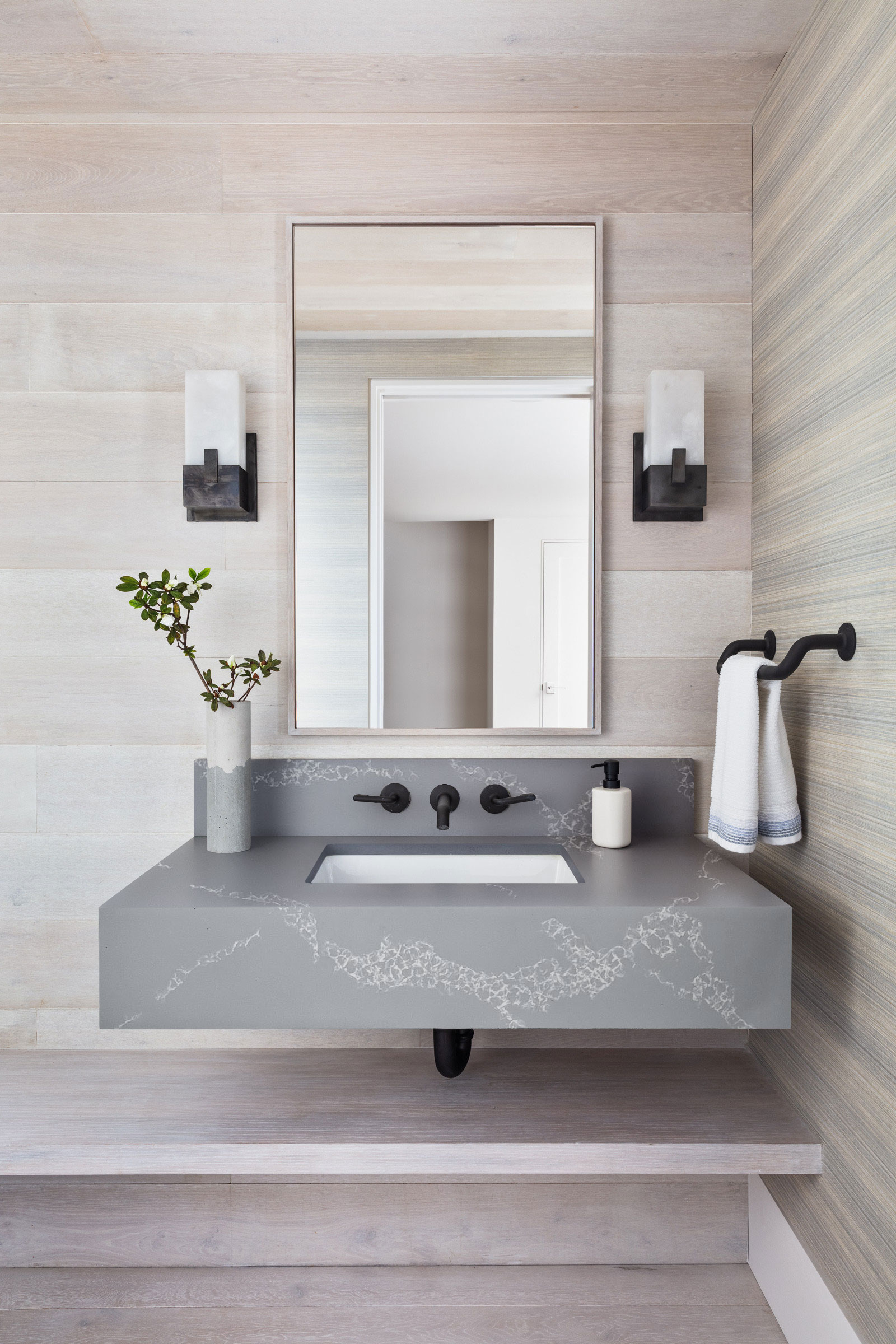
Why Sink Furniture Is Make-or-Break for Small Bathrooms
Top Space-Saving Sink Furniture Designs for Small Bathrooms
1. Wall-Mounted (Floating) Vanities
2. Corner Sink Vanities
Corners are often the most underutilized space in small bathrooms, and acrylic solid surface corner sink furniture turns this dead space into a functional hub. Acrylic’s flexibility allows for custom-cut corner designs that fit snugly into 90-degree corners, taking up minimal linear space while providing a full-size, seamless sink and compact storage. The non-porous acrylic surface is easy to clean and moisture-resistant, making it perfect for damp corner spaces, and these units are ideal for tiny half-baths or narrow guest bathrooms, allowing for easy movement around the room without obstruction.

3. Slim-Profile Pedestal Sinks with Storage Add-Ons
4. Compact Vanities with Integrated Countertops
Pro Tips to Maximize Functionality Further
Go Vertical: Opt for sink units with tall, narrow cabinets or wall-mounted shelves above the vanity to use vertical space, which is often overlooked in small bathrooms.
Choose Multi-Functional Fixtures: Look for vanities with built-in towel bars, magnetic organizers, or pull-out trash bins to eliminate the need for extra accessories.
Prioritize Light Colors & Sleek Acrylic Finishes: Light-toned acrylic solid surface (white, beige, light gray) and matte or glossy seamless finishes reflect light, making the space feel brighter and more open. Acrylic’s non-porous, smooth texture also avoids the heavy look of natural stone, keeping small bathrooms feeling airy.
Minimize Countertop Clutter: Use drawer dividers, under-sink organizers, and wall-mounted holders for toothbrushes and soap to keep the sink area clear and tidy.
Opt for Space-Saving Faucets: Choose wall-mounted or short-neck faucets to save counter space and create a cleaner, more streamlined look.
The Bottom Line
Related Blogs
-
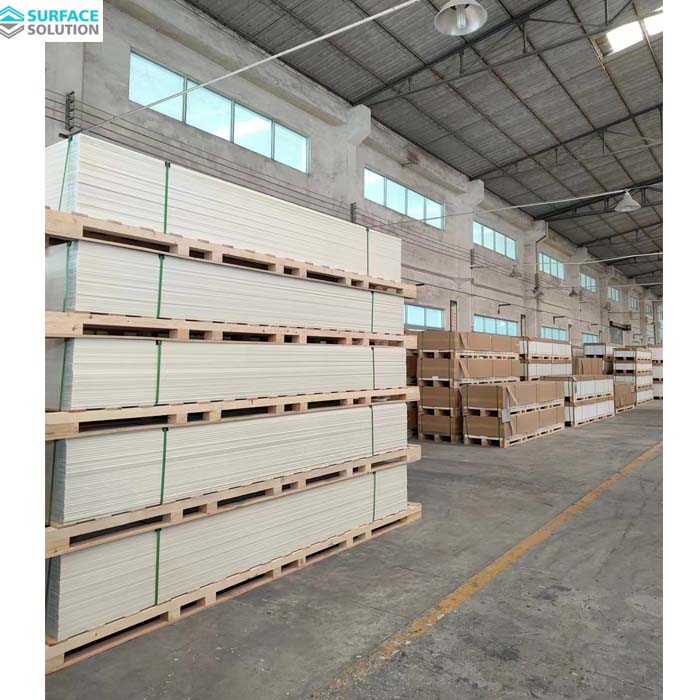 White acrylic solid surface remains a top-selling option for distributors, wholesalers and project contractors, widely specified for kitchen countertops, bathroom vanities, hotel vanity tops, commercial reception counters and custom tabletops. A common question from your downstream buyers is straigh
-
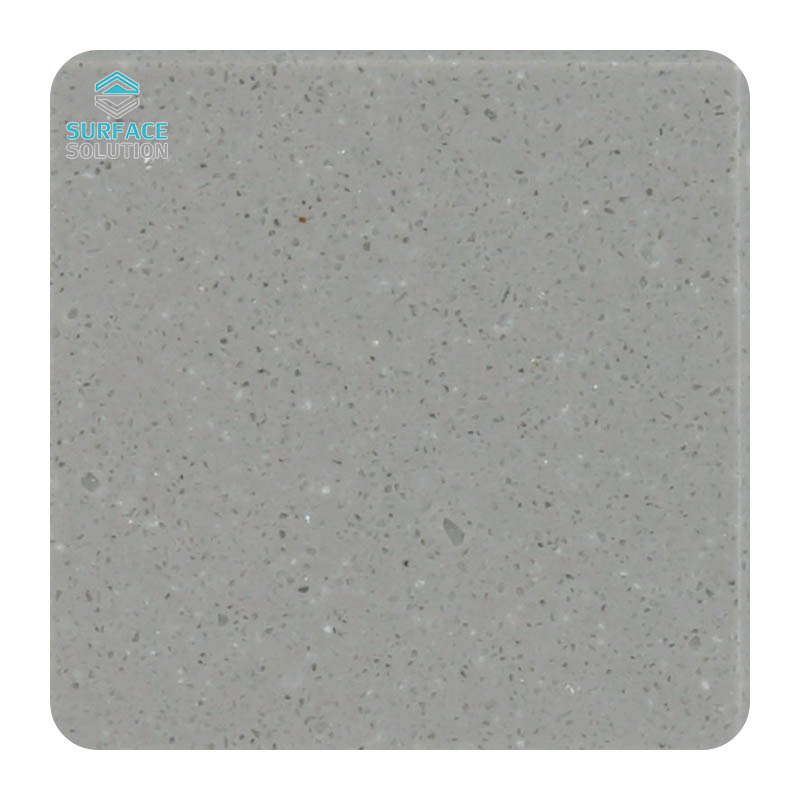 When renovating kitchens, bathrooms or commercial spaces, homeowners and designers often weigh different countertop materials. Acrylic solid surface is one of the most popular options, but a common question remains: is it durable enough for everyday use?Acrylic solid surface countertops are manufact
-
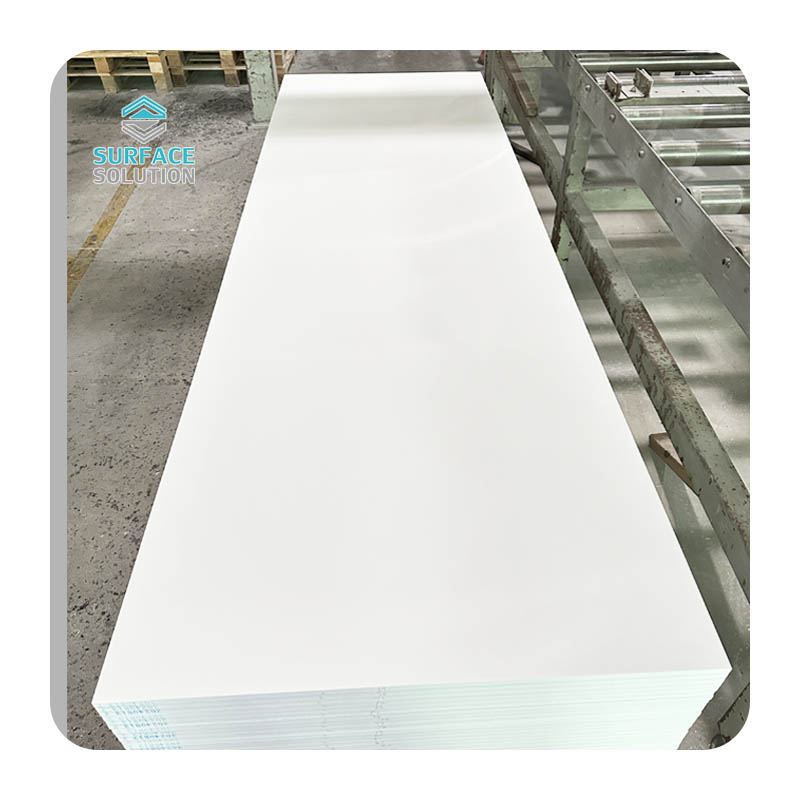 Acrylic solid surface is a premium engineered composite material widely used for kitchen countertops, vanity tops, wall panels, custom furniture and commercial interior projects. Many people confuse it with pure acrylic sheet or natural marble, but it is a carefully formulated blend of mineral powde
-
 Kitchens and bathrooms are the most frequently used and easily worn spaces in residential and commercial buildings, where countertops face constant spills, moisture, friction, and daily stains. Compared with traditional materials such as natural marble, granite, quartz stone, and laminate, acrylic s


