


Artificial Stone Sinks: Advantages And Installation Guide


Artificial Stone Sinks: Advantages And Installation Guide
In modern residential and commercial interior design, sinks are no longer just functional sanitary fixtures but also key decorative elements that shape space aesthetics. Among countless sink materials, artificial stone sinks have gradually become a top choice for homeowners, designers, and contractors, replacing traditional ceramic, stainless steel, and natural stone sinks. Crafted from a premium composite of natural stone particles, high-quality resin, and auxiliary additives through high-pressure compression and high-temperature curing, artificial stone sinks balance natural texture, superior performance, and cost efficiency. This article comprehensively elaborates on the core advantages of artificial stone sinks, introduces their mainstream installation types, and provides a step-by-step professional installation guide, along with practical maintenance tips for long-term use.
What Is an Artificial Stone Sink?
Artificial stone sinks, also known as solid surface stone sinks or stone resin sinks, are man-made composite sanitary products. Different from natural marble and granite that are mined directly from nature, artificial stone materials are artificially proportioned and synthesized, effectively avoiding the natural cracks, color differences, and radioactive substances inherent in natural stone. The finished sinks feature an integrated seamless structure, uniform texture, and diverse shapes, applicable to bathrooms, kitchens, hotels, shopping malls, and other scenarios. With customizable colors, sizes, and styles, they perfectly fit personalized modern decoration needs.

Core Advantages of Artificial Stone Sinks
1. Excellent Durability and Impact Resistance
Artificial stone sinks boast high density and strong structural stability, far exceeding ceramic sinks in crack resistance and stainless steel sinks in deformation resistance. The integrated molding process eliminates weak splicing joints, enabling the sink to resist daily impact from tableware, toiletries, and heavy objects. It is not easy to crack, dent, or damage, maintaining a complete appearance after long-term high-frequency use. Unlike natural stone that is prone to weathering and peeling, artificial stone retains stable physical properties in humid indoor environments.
2. Non-Porous Surface and Superior Stain Resistance
The biggest pain point of traditional stone sinks is the porous surface, which easily absorbs tea stains, oil stains, cosmetic pigments, and sewage, leading to stubborn discoloration and bacterial growth. Artificial stone adopts a compact non-porous formula, with no tiny gaps on the surface. Liquid stains cannot penetrate the interior, and daily dirt can be wiped clean with a soft cloth and clean water. It effectively resists common stains such as kitchen oil, bathroom mold, and colored cosmetics, greatly reducing cleaning difficulty and avoiding long-term yellowing and fouling problems.
3. Diverse Aesthetics and Strong Customization
Compared with the single style of stainless steel sinks and the fixed specification limitations of ceramic sinks, artificial stone sinks support flexible personalized customization. They can be made into various shapes including square, rectangle, oval, and irregular art shapes, with rich color options from pure white, gray, black to gradient and terrazzo textures. The texture is close to natural stone, elegant and high-end, and can be seamlessly matched with various decoration styles such as modern minimalist, light luxury, and industrial style. The integrated countertop and sink design realizes no gap connection, making the overall space more neat and unified.
4. Safe, Eco-Friendly and Hygienic
Qualified artificial stone materials are non-radioactive, non-toxic, and odorless, complying with international environmental protection standards. The compact surface structure inhibits the reproduction of bacteria, mold, and mites, creating a hygienic washing environment. In addition, the material has good water resistance and corrosion resistance, and will not be eroded by daily detergents, facial cleansers, and kitchen cleaners, avoiding material deterioration and secondary pollution caused by chemical corrosion.
5. Easy Maintenance and Long Service Life
Minor scratches and abrasions on the surface of artificial stone sinks can be repaired simply with fine sandpaper and polishing agents, restoring a smooth and new state, which is impossible for ceramic and stainless steel sinks. With normal use and daily simple maintenance, the service life of artificial stone sinks can reach more than 15 years. Meanwhile, its price is more affordable than natural high-grade stone sinks, achieving a high cost performance of "natural texture, artificial price".
6. Good Noise Reduction and Comfort
Stainless steel sinks produce harsh noise when water drops or tableware collides, while artificial stone has good sound absorption performance. It can effectively buffer the impact sound of water flow and objects, reducing indoor noise and improving the comfort of use. In addition, the material has moderate temperature resistance, no cold and harsh touch in low-temperature environment, and better user experience.
Main Installation Types of Artificial Stone Sinks
According to different installation positions and structural designs, artificial stone sinks are divided into three mainstream installation methods, each suitable for different space scenarios and decoration styles:
1. Above-Counter Installation
As the most common and simplest installation method, the sink is directly placed on the reserved opening of the countertop, with the edge overlapping the countertop. It features simple construction, low technical requirements, short installation cycle, and convenient later replacement and maintenance. It is suitable for families, temporary renovation projects, and low-budget decoration. The only drawback is that the edge gap between the sink and the countertop is easy to accumulate dirt, which needs regular sealing and cleaning.
2. Under-Counter Installation
The sink is fixed under the countertop, with the sink edge completely hidden below the countertop, forming a flat and seamless desktop. This installation method is beautiful and advanced, with no sanitary dead corners. Water and dirt on the countertop can be directly wiped into the sink, which is very convenient for daily cleaning. It is widely used in high-end home kitchens and bathrooms. However, the installation process is complex, requiring precise cutting and fixed reinforcement, and higher requirements for construction accuracy.
3. Wall-Mounted Installation
The wall-mounted sink is fixed on the solid wall through professional brackets, with no contact with the ground or countertop. It maximizes floor space, makes the space more open and tidy, and is very suitable for small-sized bathrooms, hotel rooms, and public toilet spaces. This installation method has high requirements for wall bearing capacity, which must be installed on solid brick walls or concrete walls to avoid safety hazards such as falling off.
Step-by-Step Artificial Stone Sink Installation Guide
Standard installation procedures ensure the stability, no leakage, and beautiful appearance of the sink. The following is a universal professional installation process, taking the most popular under-counter and wall-mounted types as the core reference:
Step 1: Pre-Installation Preparation and Measurement
First, check the integrity of the artificial stone sink to confirm no cracks, scratches, or deformation. Measure the sink’s length, width, and depth accurately, and mark the cutting position on the countertop or wall according to the size. Reserve a reasonable gap of 1-2cm to avoid installation jamming. For wall-mounted installation, use a stud finder to detect the wall keel, confirm that the wall bearing capacity meets the standard (minimum 150lbs load-bearing), and mark the bracket fixing position. Prepare installation tools: electric drill, screwdriver, wrench, sealant, bracket, water pipe, and drain accessories.
Step 2: Countertop Opening and Wall Drilling
For countertop installation, cut the reserved opening according to the marking line, polish the cutting edge smoothly to prevent burrs from scratching the sink. For wall-mounted installation, drill holes at the marked positions, embed expansion bolts, and fix the mounting brackets firmly to ensure the brackets are horizontal and stressed evenly. Clean up the dust and debris on the construction site to avoid affecting the fitting tightness.
Step 3: Sink Fixing and Positioning
Place the sink in the reserved position for trial installation to adjust the level and left-right symmetry until the position is accurate. For under-counter and above-counter sinks, apply uniform waterproof sealant on the contact edge between the sink and the countertop; for wall-mounted sinks, hang the sink on the fixed brackets and lock the fixing screws. Ensure the sink is stable without shaking or tilting, and scrape off the excess extruded sealant in time to keep the edge neat.
Step 4: Plumbing and Drainage Connection
Install the sink drain plug, filter, and sewer pipe in turn, check the tightness of each interface, and add waterproof gaskets to all joints to prevent water seepage. Connect the cold and hot water inlet pipes, fix the faucet firmly, and ensure all pipeline connections are firm and without looseness. Avoid excessive bending of the water pipe to prevent water flow blockage or pipe cracking.
Step 5: Water Test and Sealing Finishing
After the installation is completed, let the sealant stand for 2-3 hours for preliminary curing. Then conduct a full water test: fill the sink with water and let it stand for 30 minutes, check all interfaces, gaps, and sewer pipes for water leakage or seepage. If no abnormality is found, wipe the sink surface clean, trim the edge sealant neatly, and complete the final finishing work. It is recommended to avoid using the sink within 24 hours to ensure the sealant is fully cured.
Daily Maintenance & Usage Notes
Although artificial stone sinks are durable and easy to maintain, correct daily use can effectively extend their service life and maintain a lasting new look. First, avoid placing overheated objects such as boiling water pots and high-temperature tableware directly on the sink surface to prevent local high-temperature scalding and material deformation. Second, do not use strong corrosive cleaners such as bleach and hydrochloric acid for cleaning; use neutral detergent and soft cloth to wipe daily. Third, avoid sharp hard objects such as blades and iron wires scratching the surface. For minor scratches, polish them with fine sandpaper and polishing paste regularly. Finally, clean the sewer filter regularly to prevent debris accumulation and pipeline blockage, and check the interface sealant every six months to repair aging and peeling parts in time.
Conclusion
With its durable performance, diverse aesthetics, easy maintenance, and high cost performance, artificial stone sinks have become a mainstream choice for modern sanitary and kitchen renovation. Compared with traditional sink materials, they solve the pain points of easy staining, easy cracking, single style, and difficult cleaning. By selecting a suitable installation method according to the space scenario and following standardized installation procedures and daily maintenance specifications, artificial stone sinks can maintain stable performance and elegant appearance for a long time, bringing practical and aesthetic dual-value improvement to indoor space. Whether for home decoration or commercial space engineering, artificial stone sinks are a reliable and high-quality optimal choice.
Catalogue
Related Blogs
-
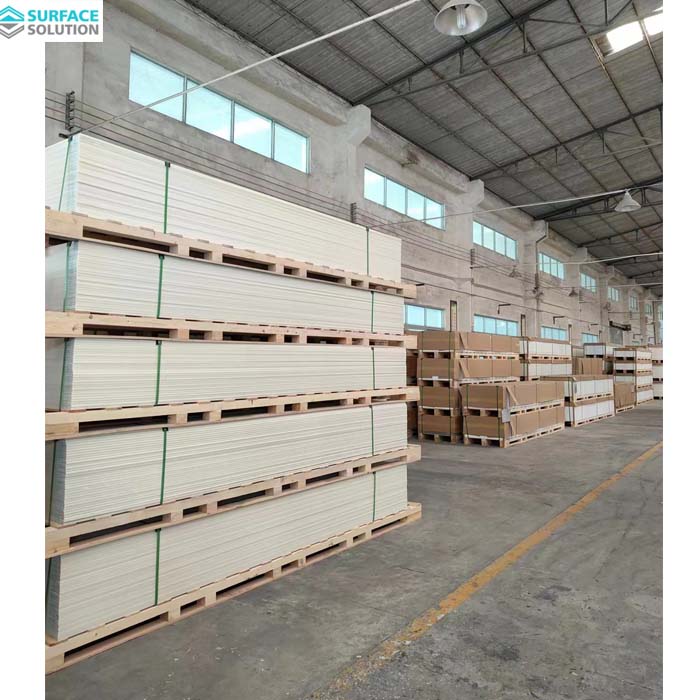 White acrylic solid surface remains a top-selling option for distributors, wholesalers and project contractors, widely specified for kitchen countertops, bathroom vanities, hotel vanity tops, commercial reception counters and custom tabletops. A common question from your downstream buyers is straigh
 -
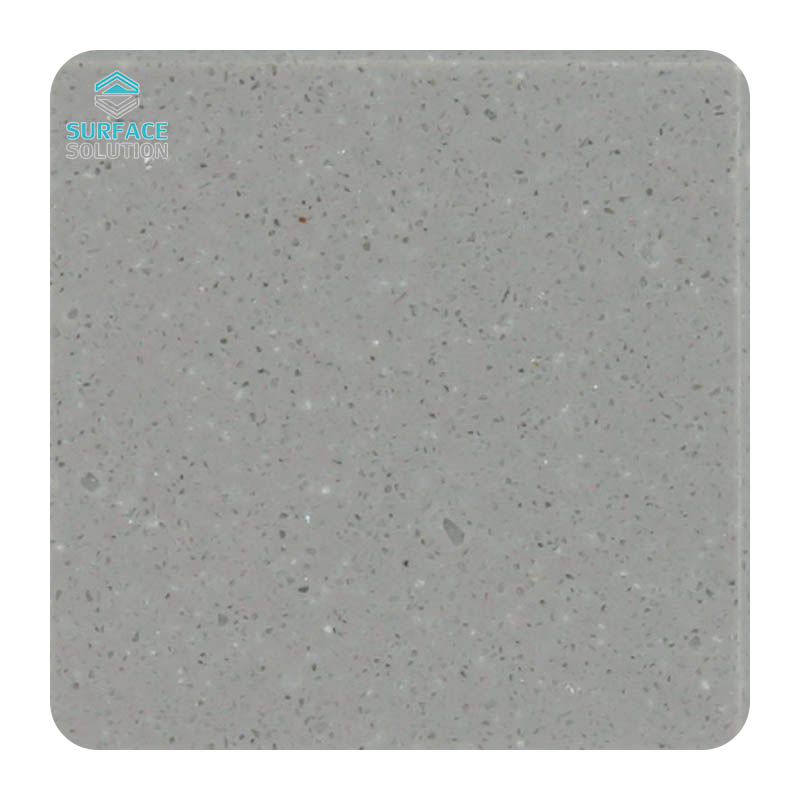 When renovating kitchens, bathrooms or commercial spaces, homeowners and designers often weigh different countertop materials. Acrylic solid surface is one of the most popular options, but a common question remains: is it durable enough for everyday use?Acrylic solid surface countertops are manufact
 -
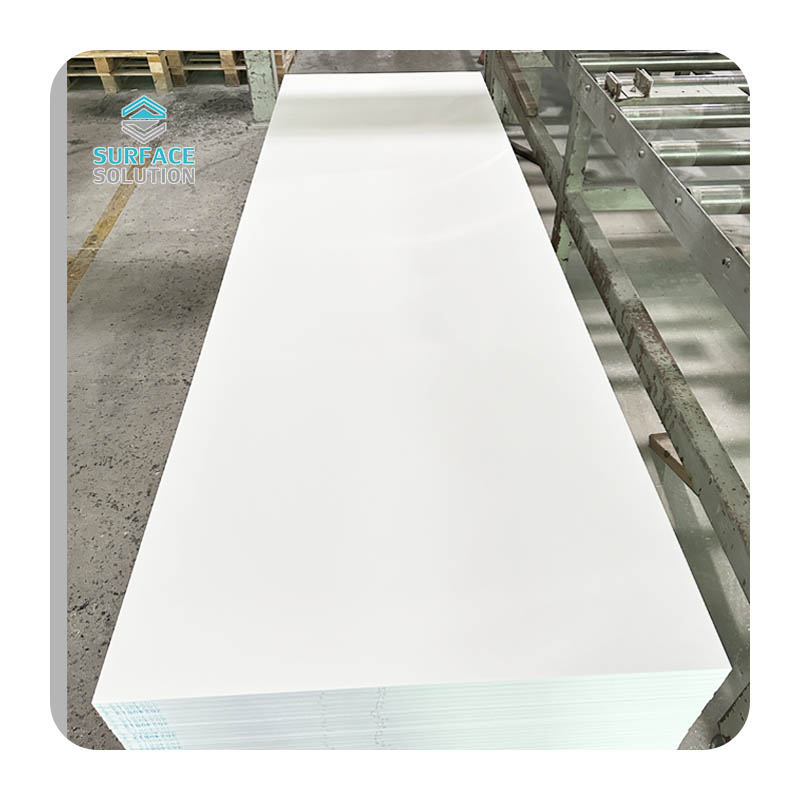 Acrylic solid surface is a premium engineered composite material widely used for kitchen countertops, vanity tops, wall panels, custom furniture and commercial interior projects. Many people confuse it with pure acrylic sheet or natural marble, but it is a carefully formulated blend of mineral powde
 -
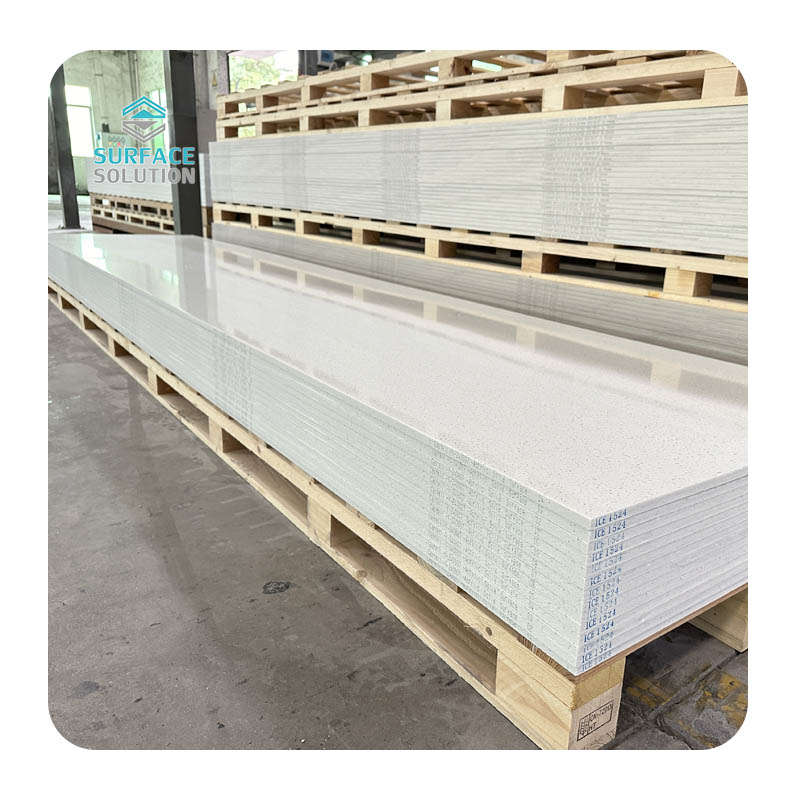 Kitchens and bathrooms are the most frequently used and easily worn spaces in residential and commercial buildings, where countertops face constant spills, moisture, friction, and daily stains. Compared with traditional materials such as natural marble, granite, quartz stone, and laminate, acrylic s


