Artificial Stone in Bathroom Design: Modern Aesthetics and Functionality
In the realm of contemporary interior design, the bathroom has evolved from a purely functional space to a sanctuary of relaxation and style. Among the materials reshaping this transformation, artificial stone stands out as a versatile and innovative choice, seamlessly blending modern aesthetics with unparalleled functionality. Unlike natural stone, which is limited by geological formations and often requires extensive maintenance, artificial stone—crafted from a blend of resins, minerals, and pigments—offers designers and homeowners a blank canvas to realize their creative visions while addressing the practical demands of daily bathroom use. Aesthetic Versatility: Redefining Modern Bathroom Style
One of the most compelling advantages of artificial stone in bathroom design is its extraordinary aesthetic flexibility. Unlike natural marble or granite, which bear unique veining and color variations that can be difficult to replicate, artificial stone can be engineered to match any design language—from minimalist monochrome to bold, nature-inspired patterns. For instance, solid-surface artificial stone (such as Corian) is available in a spectrum of soft neutrals, vibrant hues, and even translucent shades, allowing it to harmonize with diverse design themes: a sleek, all-white bathroom for a Scandinavian vibe, or a warm taupe countertop paired with wooden accents for a rustic-modern look. Moreover, artificial stone enables seamless integration across bathroom elements, a key feature of modern design’s “less is more” philosophy. Countertops, sinks, and even shower walls can be crafted from a single piece of artificial stone, eliminating unsightly grout lines and seams that trap dirt and disrupt visual flow. This continuity creates a sense of spaciousness, making it ideal for small bathrooms where clutter and visual breaks can feel overwhelming. In luxury bathroom designs, artificial stone is often used to create statement pieces—such as a curved vanity top or a backlit shower wall—that add depth and sophistication without compromising on elegance. Textural diversity further enhances artificial stone’s aesthetic appeal. Manufacturers now offer finishes ranging from matte and satin to polished and textured, catering to different tactile preferences. A matte artificial stone countertop, for example, adds a subtle, understated luxury to a bathroom, while a textured surface on shower floors provides both visual interest and slip resistance—a perfect marriage of form and function.
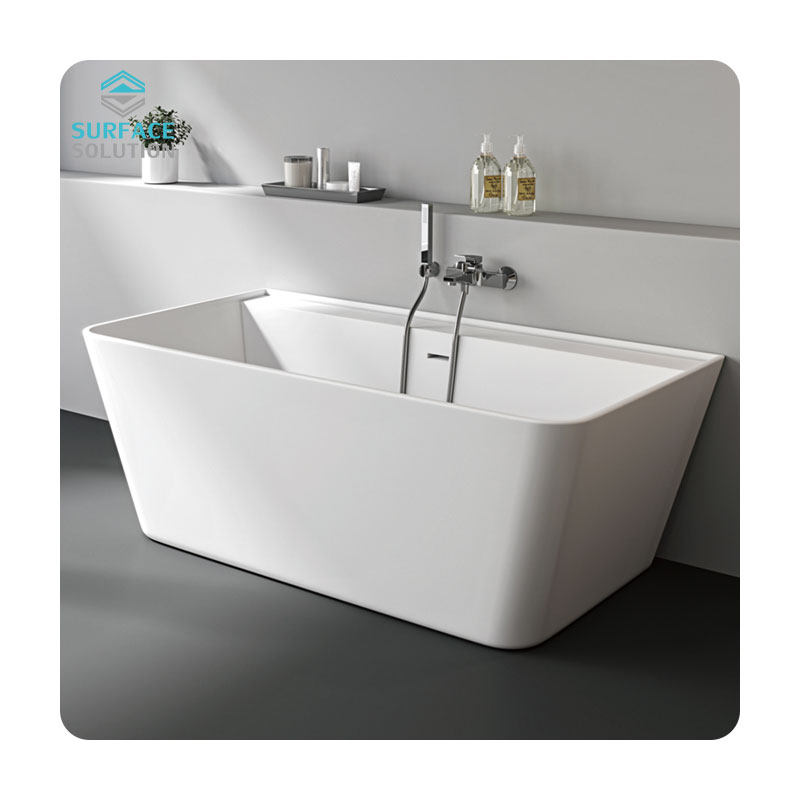
Functional Excellence: Built for Bathroom Demands
Beyond its visual appeal, artificial stone excels in addressing the unique challenges of bathroom environments—moisture, stains, and daily wear. Unlike natural stone, which is porous and requires regular sealing to prevent water damage and staining, high-quality artificial stone is non-porous. This means it resists water absorption, making it impervious to mold, mildew, and discoloration from products like shampoo, soap, or hair dye. For homeowners, this translates to less maintenance: a simple wipe with a mild cleaner is enough to keep artificial stone surfaces looking new for years.
Durability is another key functional benefit. Artificial stone is engineered to be resistant to scratches, chips, and heat—common hazards in bathrooms. A dropped hairbrush or a hot curling iron is unlikely to damage its surface, unlike natural stone or laminate, which can easily scratch or warp. This durability makes artificial stone a long-term investment, reducing the need for costly replacements or repairs.
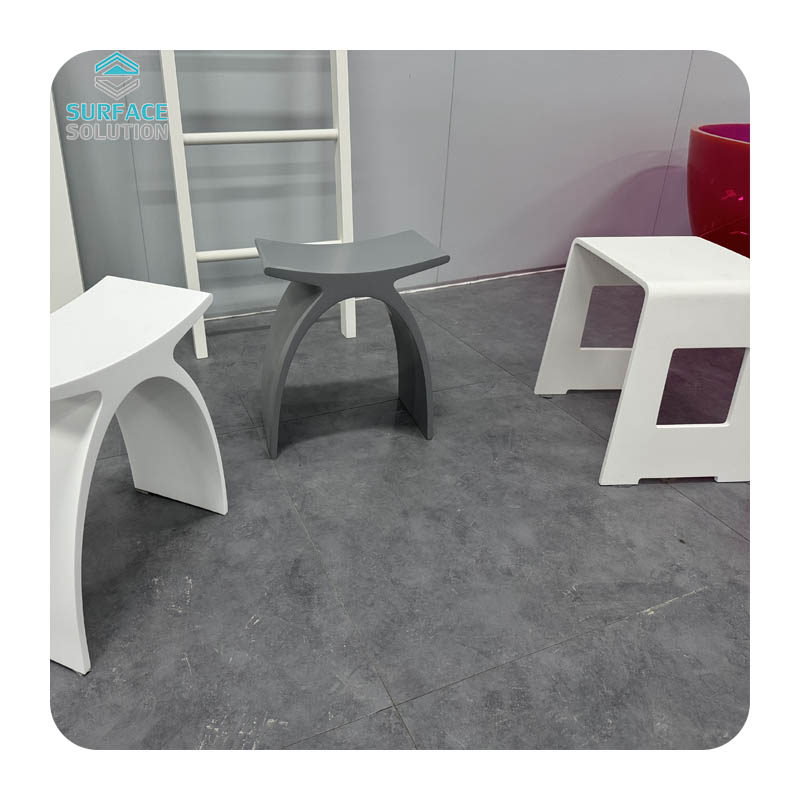
Ergonomics and customization further elevate its functionality. Artificial stone can be molded into any shape or size, allowing designers to create custom solutions that fit the unique dimensions of a bathroom. For example, a curved shower bench made from artificial stone provides comfortable seating while blending seamlessly with the shower walls, or a custom vanity top with integrated sinks eliminates gaps where dirt can accumulate. This level of customization ensures that the bathroom is not only beautiful but also practical, tailored to the user’s lifestyle and needs.
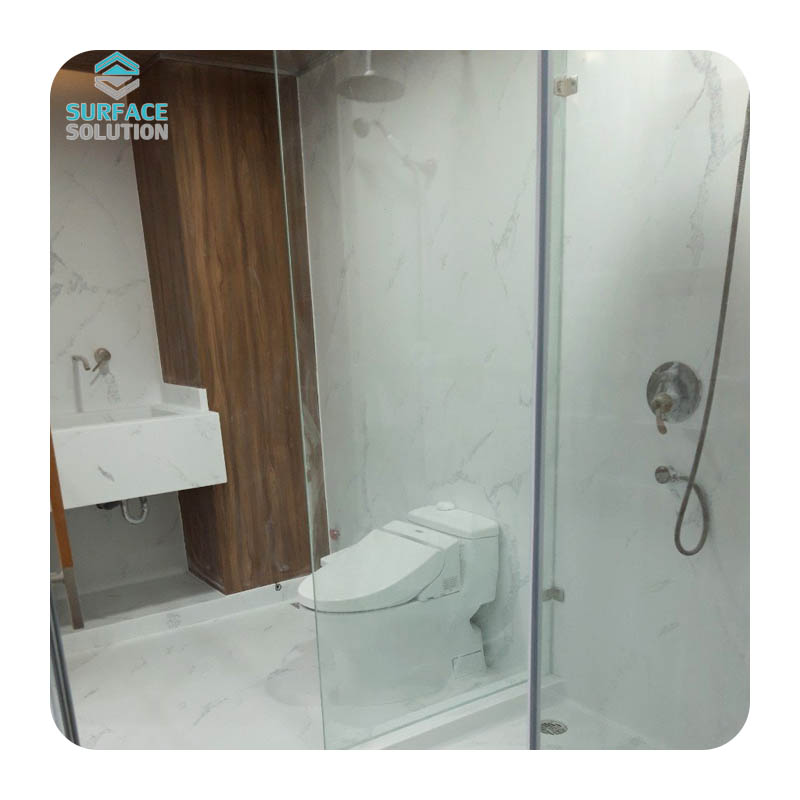
Sustainable Design: A Modern Choice for Eco-Conscious Homes
In an era of growing environmental awareness, artificial stone also aligns with modern sustainability goals. Many manufacturers use recycled materials—such as post-consumer resin or recycled stone dust—in their artificial stone products, reducing waste and minimizing the environmental impact of production. Additionally, artificial stone’s long lifespan means it does not need to be replaced frequently, reducing the carbon footprint associated with manufacturing and installing new materials.
Compared to natural stone, which often requires extensive mining and transportation (contributing to deforestation and greenhouse gas emissions), artificial stone can be produced locally, further lowering its environmental impact. For eco-conscious homeowners, choosing artificial stone is a way to create a beautiful bathroom without compromising on sustainability—a key consideration in modern design.

Conclusion
Artificial stone has emerged as a defining material in modern bathroom design, offering a rare balance of aesthetic versatility, functional durability, and sustainable performance. Its ability to adapt to diverse design styles—from minimalist to luxurious—while withstanding the rigors of daily bathroom use makes it a favorite among designers and homeowners alike. As bathrooms continue to evolve into personal sanctuaries, artificial stone will remain at the forefront of this transformation, proving that beauty and functionality do not have to be mutually exclusive. Whether creating a small urban bathroom or a sprawling luxury en suite, artificial stone provides the tools to craft spaces that are as practical as they are visually stunning—truly embodying the spirit of modern design.


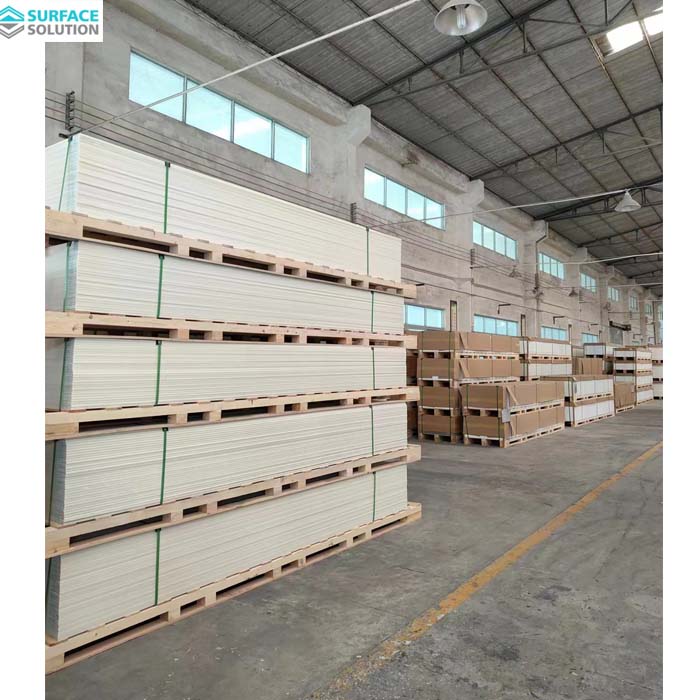 White acrylic solid surface remains a top-selling option for distributors, wholesalers and project contractors, widely specified for kitchen countertops, bathroom vanities, hotel vanity tops, commercial reception counters and custom tabletops. A common question from your downstream buyers is straigh
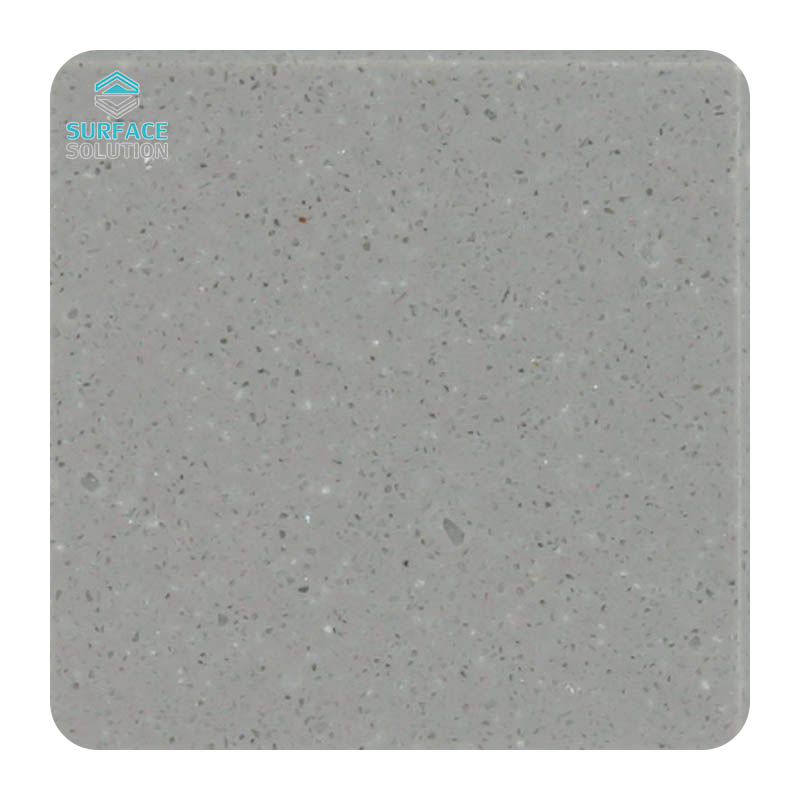 When renovating kitchens, bathrooms or commercial spaces, homeowners and designers often weigh different countertop materials. Acrylic solid surface is one of the most popular options, but a common question remains: is it durable enough for everyday use?Acrylic solid surface countertops are manufact
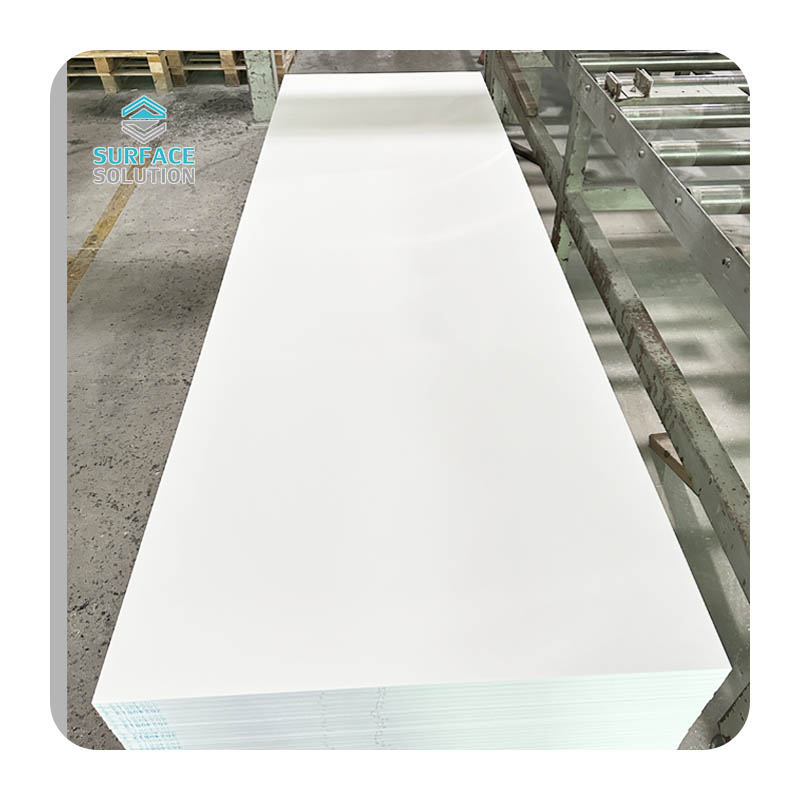 Acrylic solid surface is a premium engineered composite material widely used for kitchen countertops, vanity tops, wall panels, custom furniture and commercial interior projects. Many people confuse it with pure acrylic sheet or natural marble, but it is a carefully formulated blend of mineral powde
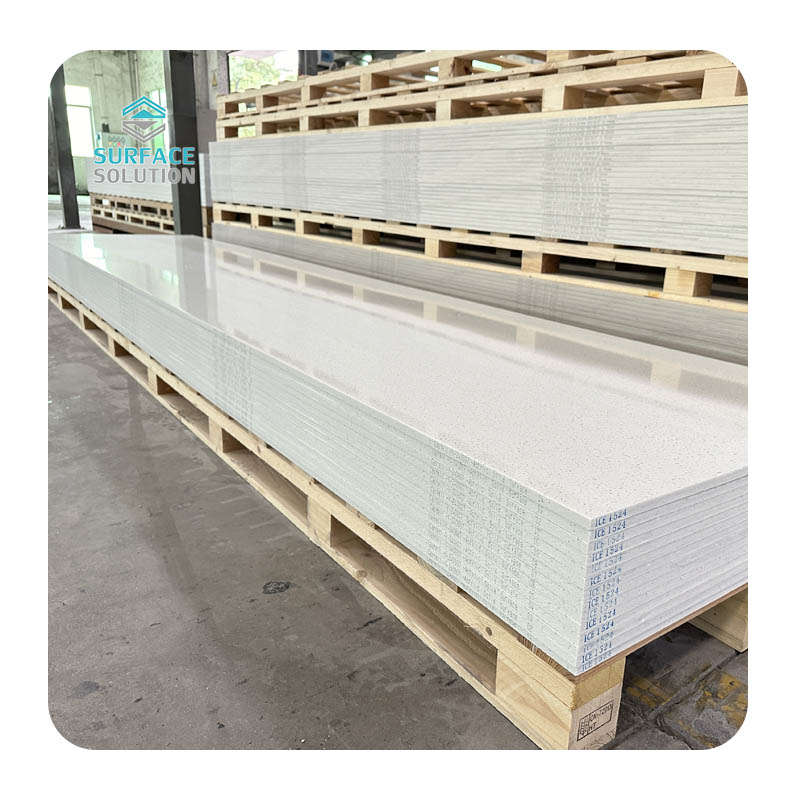 Kitchens and bathrooms are the most frequently used and easily worn spaces in residential and commercial buildings, where countertops face constant spills, moisture, friction, and daily stains. Compared with traditional materials such as natural marble, granite, quartz stone, and laminate, acrylic s


