Acrylic Solid Surface Maintenance: Do's and Don'ts
Acrylic solid surfaces have become a beloved choice for luxury bathrooms, kitchens, and other high-traffic spaces, thanks to their seamless aesthetics, versatility, and durability. However, to preserve their sleek appearance and extend their lifespan, proper maintenance is key. Unlike natural stone or tile, acrylic solid surfaces have unique properties that require specific care routines—ignore these, and you risk dulling the finish, causing scratches, or even permanent damage. Below is a comprehensive guide to the essential do’s and don’ts of acrylic solid surface maintenance, designed to help you keep your surfaces looking brand-new for years to come.
The Do’s: Essential Maintenance Practices
1. Clean Regularly with Mild, Non-Abrasive Products
Routine cleaning is the foundation of acrylic solid surface care, and simplicity is key here. For everyday dirt, grime, or water spots—common in bathrooms—use a soft cloth or sponge paired with mild soap (like dish soap) and warm water. This gentle combination effectively removes surface debris without damaging the acrylic’s finish. For tougher stains (e.g., toothpaste, makeup, or soap scum), opt for a non-abrasive, ammonia-free cleaner. Apply the cleaner to a damp cloth, wipe the stained area in a circular motion, then rinse thoroughly with water and dry with a clean towel to prevent water spots. Regular cleaning prevents buildup that can be harder to remove later and maintains the surface’s shine.
2. Address Stains Immediately
Acrylic solid surfaces are non-porous, which means they resist staining—but only if you act fast. Spills like coffee, tea, red wine, or hair dye should be wiped up as soon as they occur. For fresh stains, a quick wipe with a damp cloth and mild soap is usually sufficient. For older, more stubborn stains (e.g., dried nail polish), use a small amount of isopropyl alcohol on a cotton ball or soft cloth. Gently dab the stain (avoid rubbing, which can spread it) until it lifts, then rinse and dry the area. For oil-based stains (e.g., lotion or body oil), use a degreaser designed for acrylic surfaces—follow the product instructions carefully, and always rinse thoroughly afterward.
3. Use Cutting Boards and Trivets
While
acrylic solid surfaces are durable, they are not scratch or heat-proof. To prevent scratches from knives, scissors, or other sharp objects, always use a cutting board when working on vanity tops or counter surfaces (even in bathrooms, where you might cut cotton balls or open packages). For heat protection, place a trivet or heat pad under hot items like hair styling tools (curling irons, straighteners), heated towel racks, or hot cups. Avoid placing items heated above 176°F (80°C) directly on the surface, as extreme heat can cause discoloration or warping.
4. Buff Out Minor Scratches and Dull Spots
One of the biggest advantages of
acrylic solid surfaces is that minor scratches, scuffs, or dull spots can be easily repaired at home. For light scratches (surface-level, not deep), use a non-abrasive polishing compound designed for acrylic. Apply a small amount of the compound to a soft microfiber cloth and buff the area in a circular motion until the scratch disappears. For slightly deeper scratches, start with a 400-grit sandpaper (wet) to gently sand the area, then move to 600-grit sandpaper for a smoother finish, and finally buff with polishing compound. Always keep the sandpaper wet to avoid creating more scratches, and test the process on an inconspicuous area first (e.g., under the sink) to ensure it doesn’t damage the surface.
5. Seal Seams (If Needed) and Inspect Regularly
Most acrylic solid surfaces are installed with seamless joins, but over time, the adhesive or sealant around seams (e.g., between vanity tops and walls, or shower panels) may degrade. Inspect these areas regularly—at least every six months—for signs of cracking, peeling, or moisture buildup. If you notice issues, clean the area thoroughly, remove any old sealant, and reapply a high-quality, mildew-resistant silicone sealant designed for acrylic surfaces. This prevents water from seeping under the surface, which can cause damage to the substrate or mold growth.
The Don’ts: Practices to Avoid at All Costs
1. Don’t Use Abrasive Cleaners or Tools
Abrasive products are the biggest enemy of acrylic solid surfaces. Never use cleaners containing grit, pumice, or abrasives (e.g., scouring powder, steel wool, or rough sponges like Scotch-Brite). These will scratch the surface, dull the finish, and create tiny crevices where dirt and bacteria can accumulate. Similarly, avoid harsh chemicals like bleach, ammonia (in high concentrations), acetone (except for small amounts on nail polish stains), or oven cleaners. These chemicals can discolor the surface, weaken the acrylic, or cause permanent damage.
2. Don’t Let Harsh Chemicals Sit on the Surface
Even accidental spills of harsh chemicals (e.g., drain cleaners, hair bleach, or paint remover) can cause severe damage if left untreated. If such a spill occurs, immediately rinse the area with copious amounts of water to dilute the chemical. Do not wipe the area first—this can spread the chemical and cause more damage. After rinsing, clean the area with mild soap and water, then dry thoroughly. If the chemical has already caused discoloration or damage, contact the manufacturer for professional repair advice.
3. Don’t Place Heavy or Sharp Objects Directly on the Surface
Dropping heavy objects (e.g., hair dryers, bottles of shampoo, or tools) on acrylic solid surfaces can cause chips, cracks, or dents—damage that is often difficult to repair. Similarly, dragging sharp or heavy items across the surface (e.g., a metal soap dish or a heavy makeup bag) can create deep scratches. Always lift objects instead of dragging them, and use storage containers or trays to keep sharp or heavy items organized and off the surface.
4. Don’t Ignore Drainage Issues
In bathrooms, standing water is a common issue that can damage acrylic solid surfaces over time. Ensure that sinks, showers, and tubs have proper drainage to prevent water from pooling on the surface. Avoid leaving wet towels, bathmats, or containers (e.g., a filled soap dispenser) on the surface for extended periods—this can trap moisture and cause discoloration or mold growth. Wipe up any standing water immediately after use, and ensure the bathroom is well-ventilated (use an exhaust fan or open a window) to reduce humidity, which can also affect the surface’s appearance.
5. Don’t Attempt DIY Repairs for Major Damage
While minor scratches and stains can be fixed at home, major damage—such as large cracks, deep chips, or warping—requires professional attention. Attempting to repair these issues yourself with improper tools or techniques can make the damage worse and may void the manufacturer’s warranty. If you notice major damage, contact the company that installed the surface or the manufacturer directly. They have the expertise and specialized products to repair the surface properly, ensuring it looks as good as new.
Final Thoughts: Long-Term Care for Lasting Beauty
Acrylic solid surfaces are designed to be low-maintenance, but following these do’s and don’ts will ensure that they retain their luxury appearance and performance for decades. The key is to be proactive—clean regularly, address issues immediately, and avoid practices that can damage the surface. By treating your acrylic solid surfaces with care, you’ll enjoy a sleek, seamless space that continues to elevate your home’s design without the hassle of constant repairs or replacement. If you’re ever unsure about a specific cleaning product or repair technique, always refer to the manufacturer’s care guidelines—they know their product best and can provide tailored advice.


 White acrylic solid surface remains a top-selling option for distributors, wholesalers and project contractors, widely specified for kitchen countertops, bathroom vanities, hotel vanity tops, commercial reception counters and custom tabletops. A common question from your downstream buyers is straigh
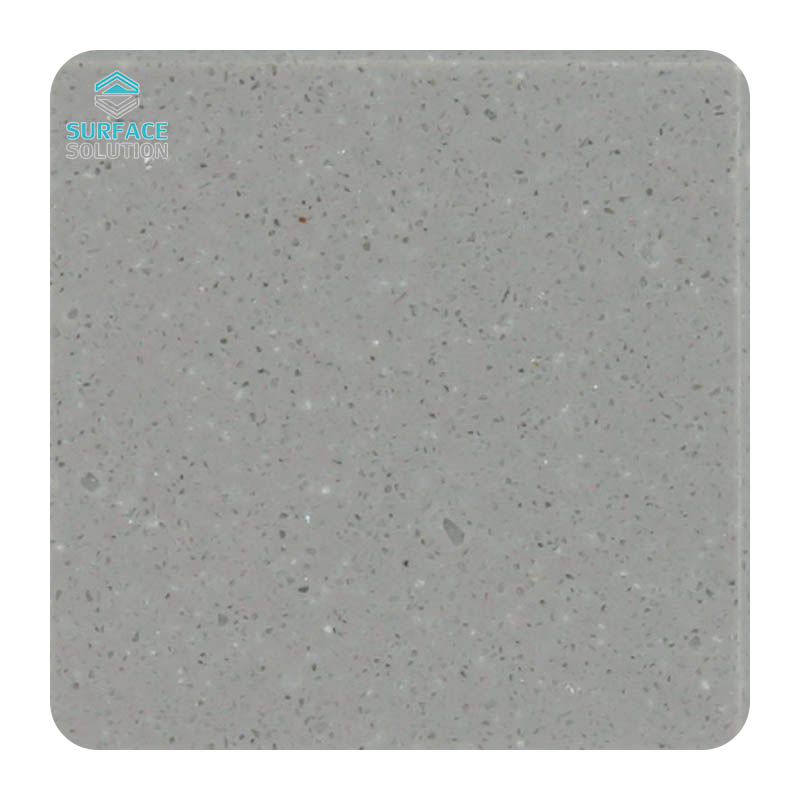 When renovating kitchens, bathrooms or commercial spaces, homeowners and designers often weigh different countertop materials. Acrylic solid surface is one of the most popular options, but a common question remains: is it durable enough for everyday use?Acrylic solid surface countertops are manufact
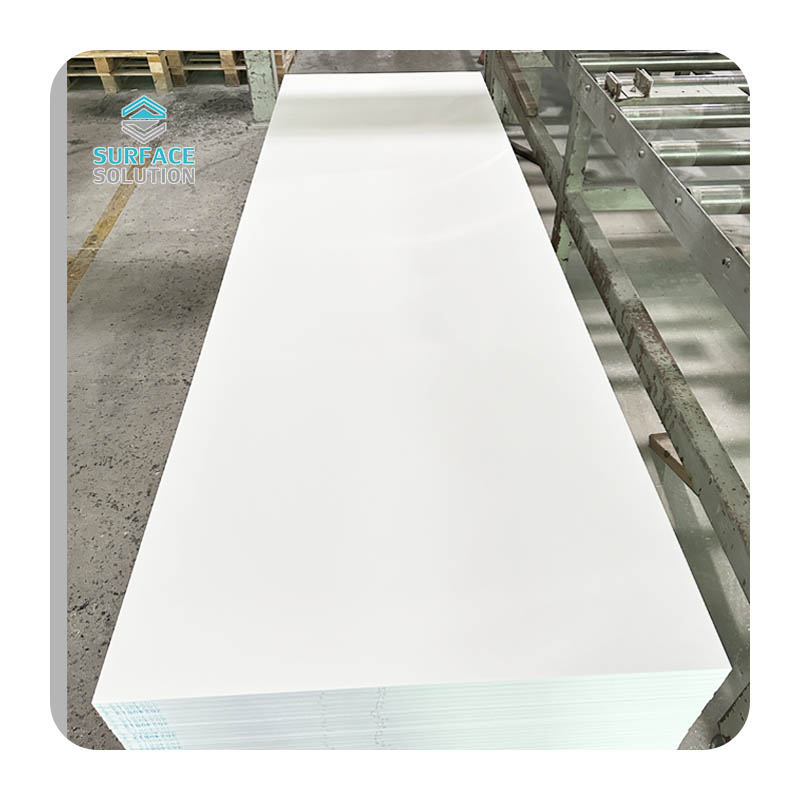 Acrylic solid surface is a premium engineered composite material widely used for kitchen countertops, vanity tops, wall panels, custom furniture and commercial interior projects. Many people confuse it with pure acrylic sheet or natural marble, but it is a carefully formulated blend of mineral powde
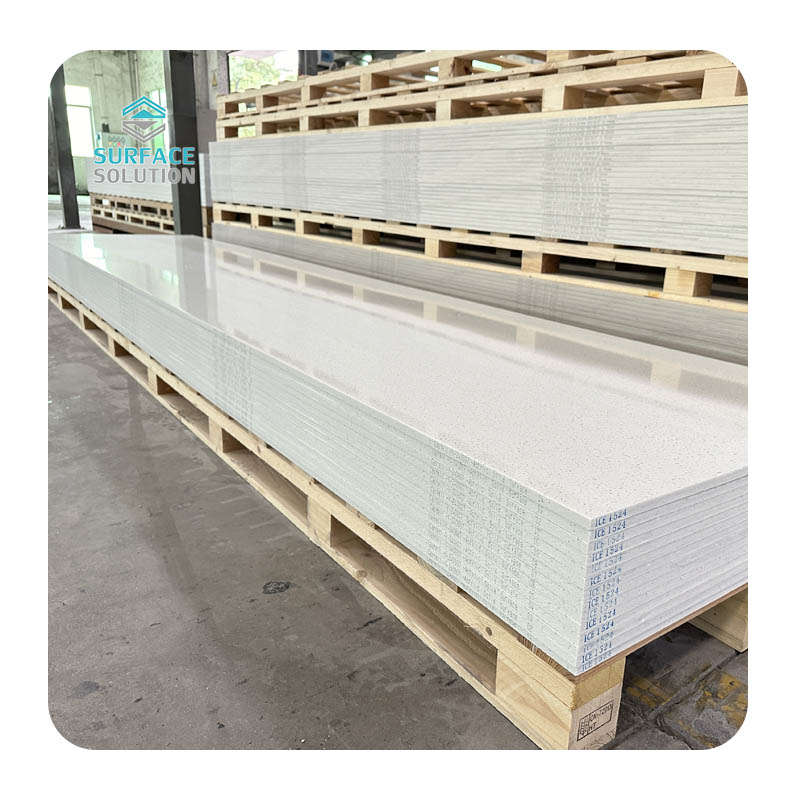 Kitchens and bathrooms are the most frequently used and easily worn spaces in residential and commercial buildings, where countertops face constant spills, moisture, friction, and daily stains. Compared with traditional materials such as natural marble, granite, quartz stone, and laminate, acrylic s


