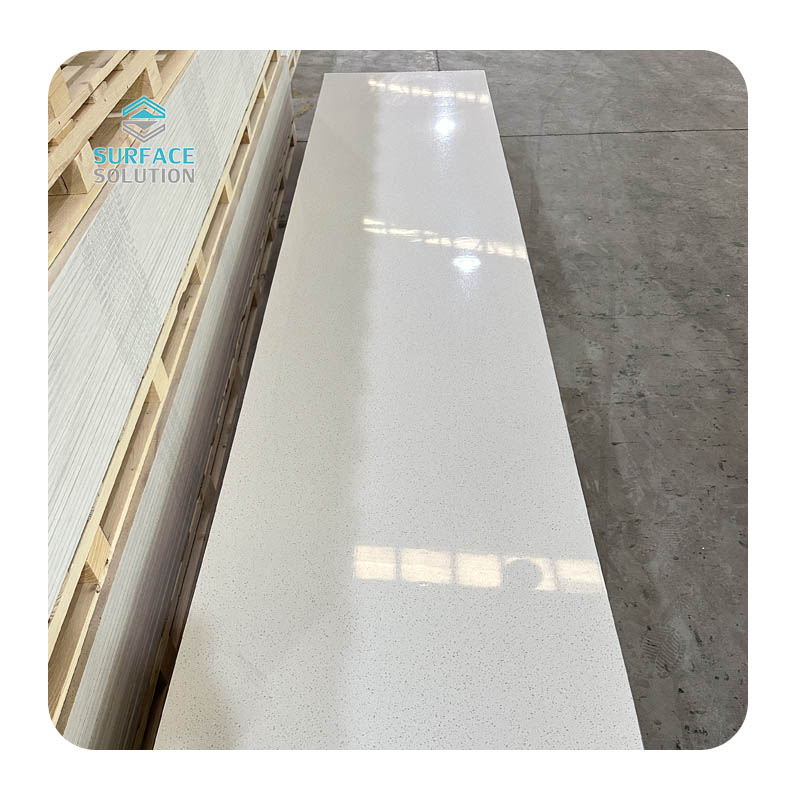
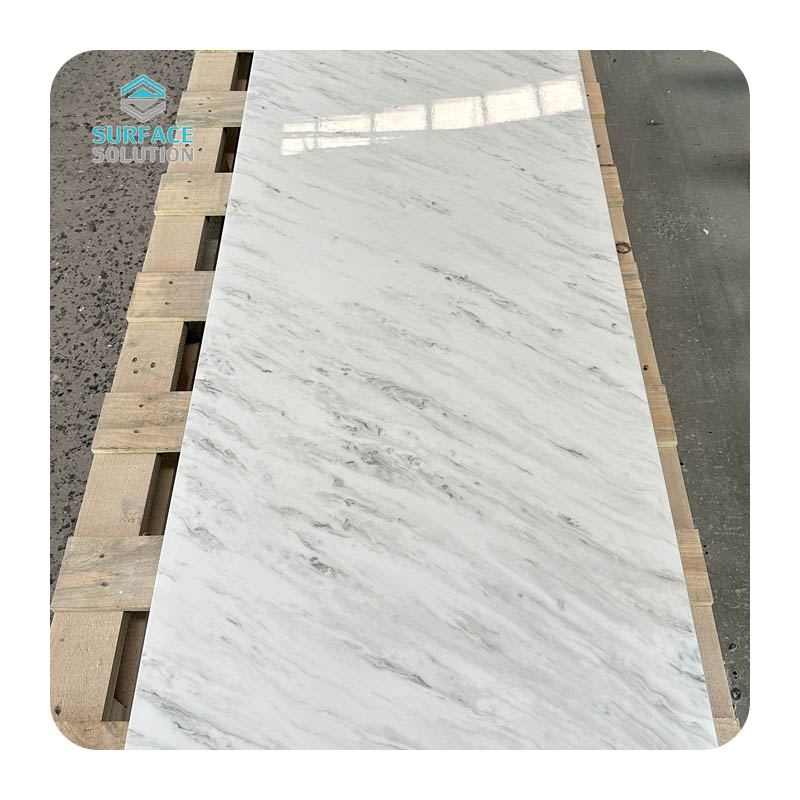
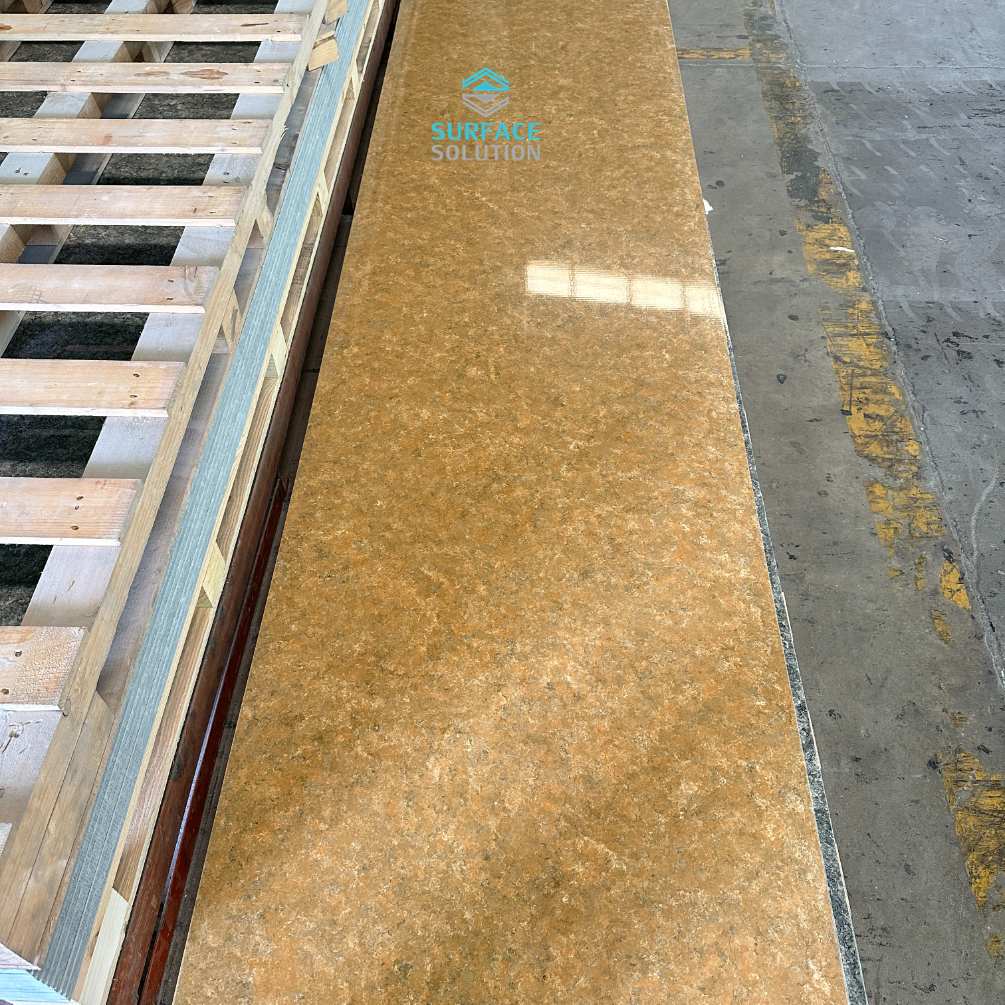
How To Pair Fixtures with Acrylic Solid Surfaces


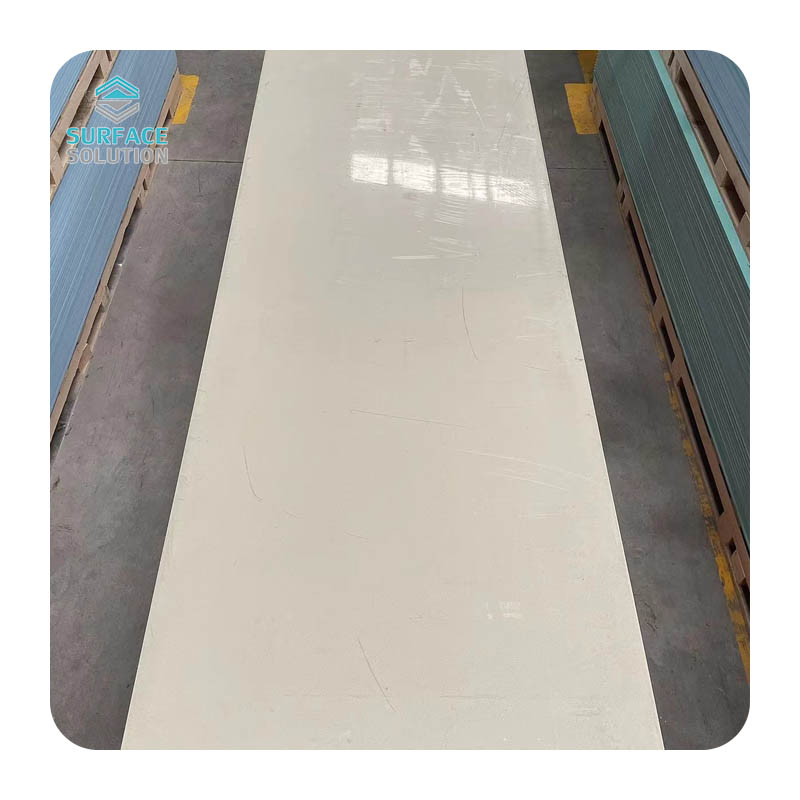
How to Pair Fixtures with Acrylic Solid Surfaces
Key Principles for Successful Pairing
Before diving into room-specific advice, it’s essential to grasp the foundational principles that govern fixture-acrylic pairings. These guidelines ensure cohesion and balance, regardless of the space or design style.
1. Prioritize Material Compatibility
Stainless Steel: A universal choice that pairs beautifully with most acrylic finishes. Its neutral tone and sleek appearance enhance both matte and glossy acrylic surfaces, making it ideal for modern, minimalist, or industrial-style spaces. Stainless steel fixtures are also resistant to corrosion and easy to clean, matching the low-maintenance nature of acrylic.
Brass/Gold: Adds warmth and elegance to acrylic solid surfaces, particularly those in light hues (e.g., white, cream, or soft gray). Brushed brass works well with matte acrylic for a subtle, vintage-inspired look, while polished gold pairs stunningly with glossy acrylic for a luxe, contemporary feel. Avoid brass with overly textured acrylic, as it may compete for visual attention.
Chrome/Polished Nickel: Offers a bright, reflective finish that complements glossy acrylic surfaces, creating a fresh, modern vibe. Chrome’s cool tone balances warm acrylic colors (e.g., terracotta, beige) and adds contrast to dark acrylic (e.g., black, deep blue). Polished nickel is a softer alternative to chrome, pairing well with both matte and semi-gloss acrylic for a timeless look.
Matte Black: A trendy choice that creates bold contrast with light-colored acrylic surfaces (e.g., white, light gray) and a cohesive, dramatic look with dark acrylic. Matte black fixtures (such as faucets or drawer pulls) add depth without overwhelming the acrylic’s smooth texture, making them perfect for modern, Scandinavian, or moody interiors.
2. Balance Color Tones
Monochromatic Pairing: For a seamless, minimalist look, choose fixtures in the same color family as the acrylic surface. For example, pair a white acrylic countertop with white ceramic sinks and chrome fixtures (for a cool monochrome) or brass fixtures (for a warm monochrome). This approach creates a clean, uncluttered aesthetic that highlights the acrylic’s smooth, continuous appearance.
Contrast Pairing: To add visual interest, pair light acrylic surfaces with dark fixtures (e.g., white acrylic + matte black faucets) or dark acrylic with light fixtures (e.g., black acrylic + polished nickel handles). Contrast works best when limited to one or two fixture types (e.g., faucets and drawer pulls) to avoid a chaotic look.
Warm vs. Cool Tones: Align the undertones of fixtures with the acrylic surface. Warm-toned acrylic (e.g., cream, beige, terracotta) pairs best with brass, gold, or oil-rubbed bronze fixtures. Cool-toned acrylic (e.g., white with blue undertones, gray, black) complements chrome, stainless steel, or matte black fixtures. Mixing warm and cool tones (e.g., brass fixtures with cool-gray acrylic) can work in eclectic designs but should be used sparingly.

3. Match Style Aesthetics
Modern/Minimalist: Opt for sleek, low-profile fixtures with clean lines (e.g., wall-mounted faucets, rectangular sinks, matte black or stainless steel hardware). Pair with glossy or matte acrylic surfaces in neutral colors (white, gray, black) for a streamlined look.
Traditional/Classic: Choose fixtures with subtle details (e.g., curved faucets, porcelain sinks with decorative edges, polished brass or nickel handles). Pair with matte or semi-gloss acrylic surfaces in warm neutrals (cream, beige) to create a timeless, elegant feel.
Scandinavian: Prioritize simplicity and warmth—think wooden handles, matte white or chrome fixtures, and undermount sinks. Pair with light-colored, matte acrylic surfaces to enhance the space’s bright, airy vibe.
Industrial: Embrace raw materials—exposed stainless steel fixtures, concrete-inspired sinks, and black metal hardware. Pair with matte or textured acrylic surfaces in dark gray or black to complement the industrial aesthetic.
Room-Specific Pairing Tips
1. Kitchen: Acrylic Countertops & Fixtures
Sinks: Undermount sinks are the best choice for acrylic countertops, as they create a seamless transition between the sink and countertop (no visible edge). Opt for stainless steel undermount sinks for a modern look or fireclay undermount sinks for a traditional touch. Avoid drop-in sinks, as the visible rim can disrupt the acrylic’s smooth appearance. For a bold statement, pair a dark acrylic countertop (e.g., black or deep blue) with a white fireclay sink.
Faucets: Choose a faucet that complements the sink and countertop. For a modern kitchen with a white acrylic countertop and stainless steel sink, a matte black or chrome single-handle faucet works well. For a warm, traditional kitchen with a cream acrylic countertop, a brushed brass bridge faucet adds elegance. Ensure the faucet’s height and reach are proportional to the sink size (e.g., a tall gooseneck faucet for deep sinks).
Hardware: Drawer pulls and cabinet handles should match the faucet’s material. For example, if you choose a stainless steel faucet, use stainless steel hardware. For a cohesive look, opt for the same finish (matte vs. polished) across all kitchen fixtures. In minimalist kitchens, consider sleek, recessed handles to keep the focus on the acrylic countertop’s smooth surface.
2. Bathroom: Acrylic Vanities, Walls & Fixtures
Vanities: Pair acrylic vanity tops with undermount or vessel sinks. Undermount sinks create a seamless look, while vessel sinks (e.g., glass, ceramic, or stone) add visual interest. For a small bathroom, choose a wall-mounted faucet to save counter space and enhance the acrylic’s sleek appearance. Matte black faucets pair beautifully with white or light gray acrylic vanities, while brushed nickel works well with warm-toned acrylic (e.g., beige, taupe).
Shower/Tub Surrounds: Acrylic shower walls and tub surrounds pair best with chrome or stainless steel showerheads, handles, and towel bars—these materials are corrosion-resistant and easy to clean. For a spa-like feel, opt for a rainfall showerhead and matte black fixtures (paired with white acrylic surrounds). Ensure the shower fixtures’ finish matches the vanity fixtures for cohesion.
Lighting: Bathroom lighting should complement the acrylic surface’s finish. Glossy acrylic surfaces reflect light, so avoid harsh overhead lighting (which can create glare). Instead, opt for soft, diffused lighting (e.g., vanity lights with frosted glass shades). For warm-toned acrylic, choose warm white bulbs; for cool-toned acrylic, use cool white bulbs to enhance the surface’s color.
3. Living Spaces: Acrylic Wall Panels & Fixtures
Shelving & Hardware: Floating shelves with stainless steel or matte black brackets pair well with glossy or matte acrylic wall panels. For a seamless look, choose shelves made from the same acrylic material as the wall panels (e.g., white acrylic shelves on white acrylic walls). Avoid bulky hardware—sleek, minimal brackets keep the focus on the wall panels’ smooth texture.
Lighting: Pendant lights or wall sconces with chrome, stainless steel, or matte black finishes complement acrylic wall panels. For a dramatic effect, pair dark acrylic panels with warm-toned lighting (e.g., brass sconces with Edison bulbs). For light acrylic panels, cool-toned lighting (e.g., chrome pendants with LED bulbs) enhances the space’s bright, airy feel.
Art Frames: Choose art frames in a finish that matches the room’s hardware (e.g., stainless steel frames with stainless steel shelving brackets). For a cohesive look, opt for thin, minimal frames that don’t compete with the acrylic wall panels’ bold appearance. Avoid ornate frames, which can clash with the acrylic’s modern aesthetic.
Final Tips for a Polished Look
Test Samples: Before committing to fixtures, test small samples of the acrylic surface and fixture finishes in the space. Lighting can alter how colors and finishes appear, so view the samples in natural and artificial light to ensure they pair well.
Limit Finish Variations: Stick to 1-2 fixture finishes per room to avoid a cluttered look. For example, in a kitchen, use stainless steel for the faucet, sink, and hardware—this creates cohesion and lets the acrylic countertop shine.
Consider Longevity: Choose fixtures that are durable and on-trend (but not overly trendy) to ensure the space remains stylish for years to come. Acrylic solid surfaces are long-lasting, so fixtures should be too—avoid cheap, low-quality options that may wear or fade over time.
Embrace Customization: Acrylic solid surfaces can be custom-cut and shaped, so don’t hesitate to customize fixtures (e.g., a custom undermount sink that fits perfectly with the countertop) for a truly seamless look.