


How about Acrylic Solid Surface Countertops?


Acrylic Solid Surface Countertops: A Modern Solution for Stylish and Durable Kitchens
In the realm of kitchen design, countertops play a pivotal role in defining both aesthetics and functionality. Among the myriad of materials available, acrylic solid surface countertops have emerged as a popular choice for homeowners seeking a seamless blend of beauty, durability, and customization. But how do they truly stack up? Let’s dive into the pros, cons, and unique features of this innovative material.

What is Acrylic Solid Surface?
Acrylic solid surface is a synthetic material composed of acrylic polymers, natural minerals, and pigments. Developed in the 1960s, it was designed to mimic the elegance of natural stone while offering enhanced versatility. Unlike quartz or granite, which are mined and cut, acrylic surfaces are manufactured under controlled conditions, allowing for uniformity in color and texture.
Key Advantages of Acrylic Countertops
Seamless Aesthetics
Acrylic surfaces are non-porous, meaning they lack the visible seams or joints often found in natural stone. This creates a sleek, continuous appearance that complements modern minimalist designs. Custom edges, integrated sinks, and backsplashes can be seamlessly incorporated for a cohesive look.
Stain and Scratch Resistance
Thanks to their non-porous nature, acrylic countertops resist stains from common kitchen culprits like coffee, wine, and oils. While they aren’t entirely scratch-proof, minor surface scratches can be easily buffed out with fine-grit sandpaper, restoring their original finish.
Versatile Design Options
Available in hundreds of colors, patterns, and finishes—from matte to glossy—acrylic surfaces cater to diverse design preferences. They can even mimic the veining of marble or the speckled look of granite for those desiring a high-end aesthetic.
Hygienic and Easy to Maintain
With no pores to harbor bacteria, acrylic countertops are ideal for kitchens and bathrooms. Daily cleaning requires only a mild soap and water solution, eliminating the need for harsh chemicals or sealants required for natural stone.
Repairability
Unlike quartz or granite, which may require replacement if damaged, acrylic surfaces can be repaired. Gouges, burns, or deep scratches are fixable by sanding or reapplying resin, making them a cost-effective long-term investment.

Potential Drawbacks to Consider
· Heat Sensitivity: While resistant to moderate heat, prolonged exposure to hot pans can cause discoloration or warping. Always use trivets or heat pads.
· Cost: Acrylic countertops are pricier than laminate but generally cheaper than natural stone. Prices vary based on brand and thickness.
· Not Completely Scratch-Proof: Heavy abuse from sharp objects may leave permanent marks, though repairs are feasible.
Ideal Applications
Acrylic solid surfaces shine in:
· Modern kitchens with integrated sinks or waterfall edges.
· High-traffic areas requiring easy maintenance.
· Commercial spaces like hotels or clinics where hygiene is paramount.

Final Verdict
Acrylic solid surface countertops strike an impressive balance between form and function. Their customizable appearance, low maintenance, and repairability make them a practical choice for design-conscious homeowners. While not indestructible, their resilience and timeless appeal justify their growing popularity in contemporary interiors.
Whether renovating a kitchen or designing a new one, acrylic surfaces offer a canvas to transform ordinary spaces into extraordinary ones—without compromising on practicality.
Related Blogs
-
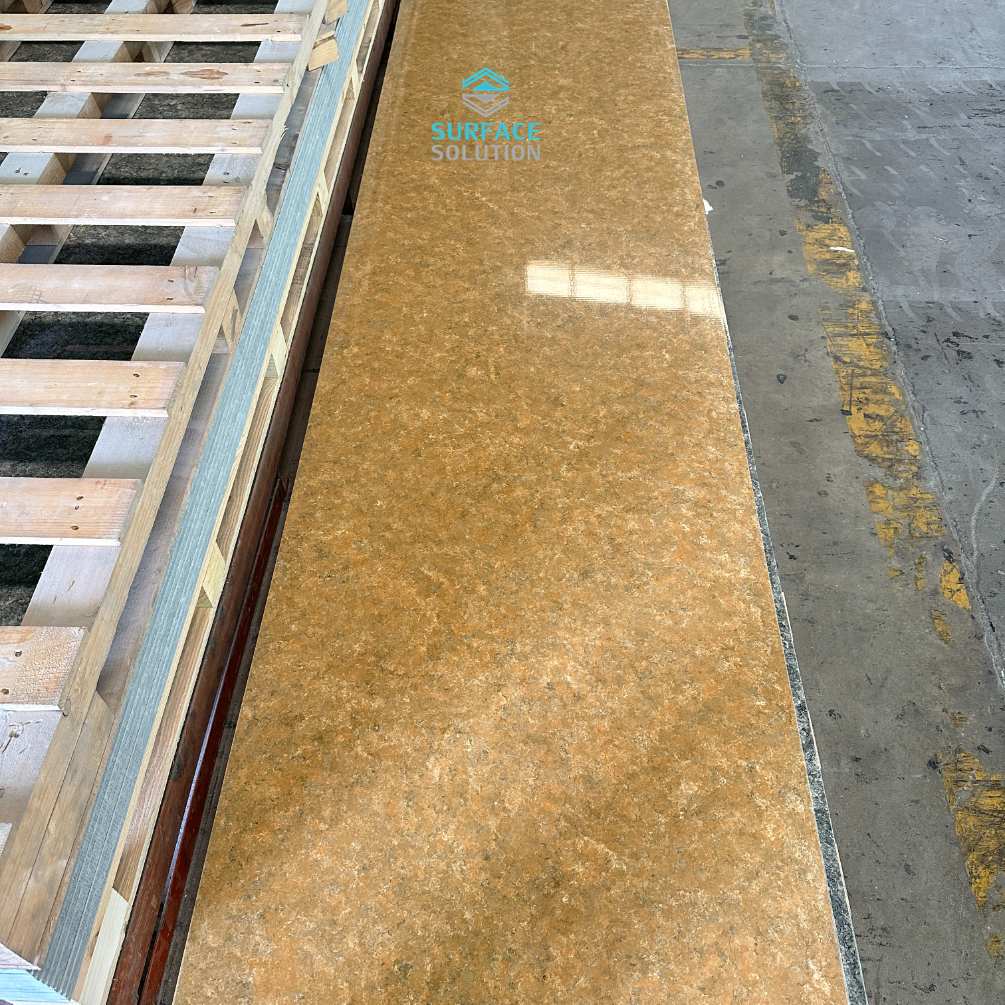 Wholesale Acrylic Solid Surface Slabs: Ultimate Material Solution for Countertop FabricatorsIn the competitive countertop manufacturing and renovation industry, material quality, processing flexibility, and cost efficiency are the three core factors that determine a fabricator’s market competitivene
 -
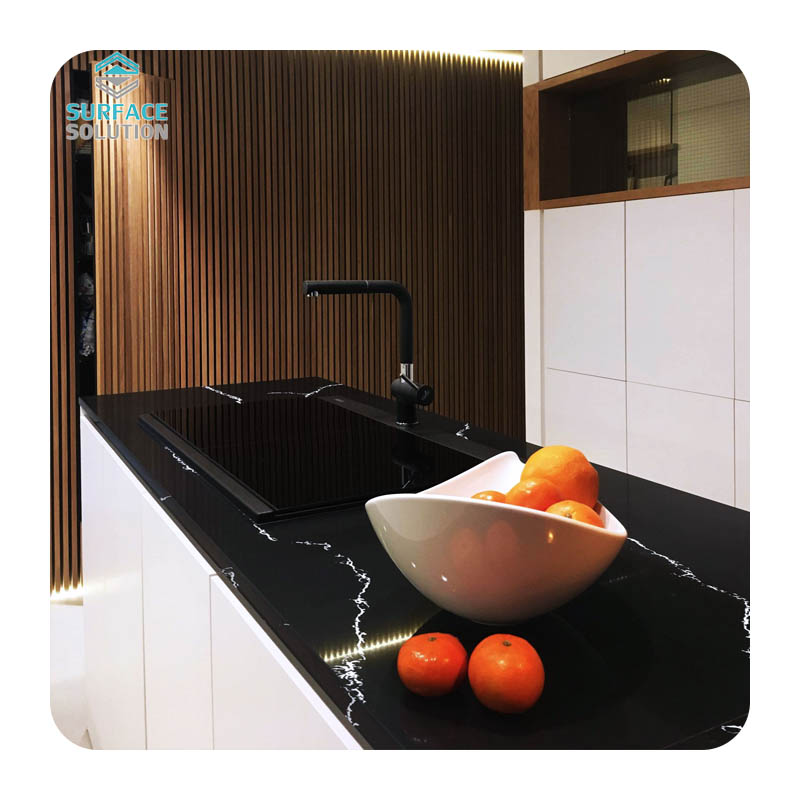 In modern residential and commercial interior design, vanity tops and kitchen islands serve as both functional core fixtures and key aesthetic focal points. These high-frequency usage surfaces require materials that balance outstanding durability, reliable hygiene, flexible design potential, and eff
 -
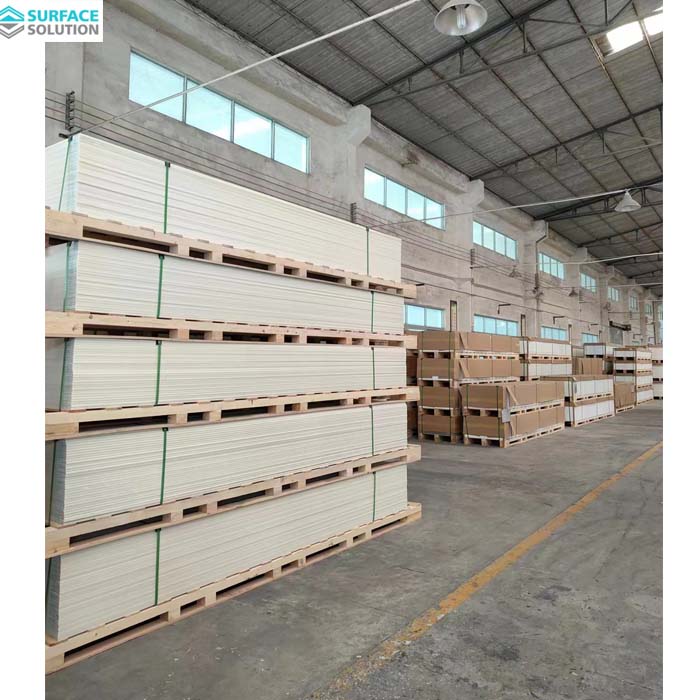 White acrylic solid surface countertops have become a top-tier mainstream choice for modern residential renovation and commercial space design, balancing minimalist timeless aesthetics, superior physical performance and long-term cost-effectiveness. Compared with traditional granite, quartz stone an
 -
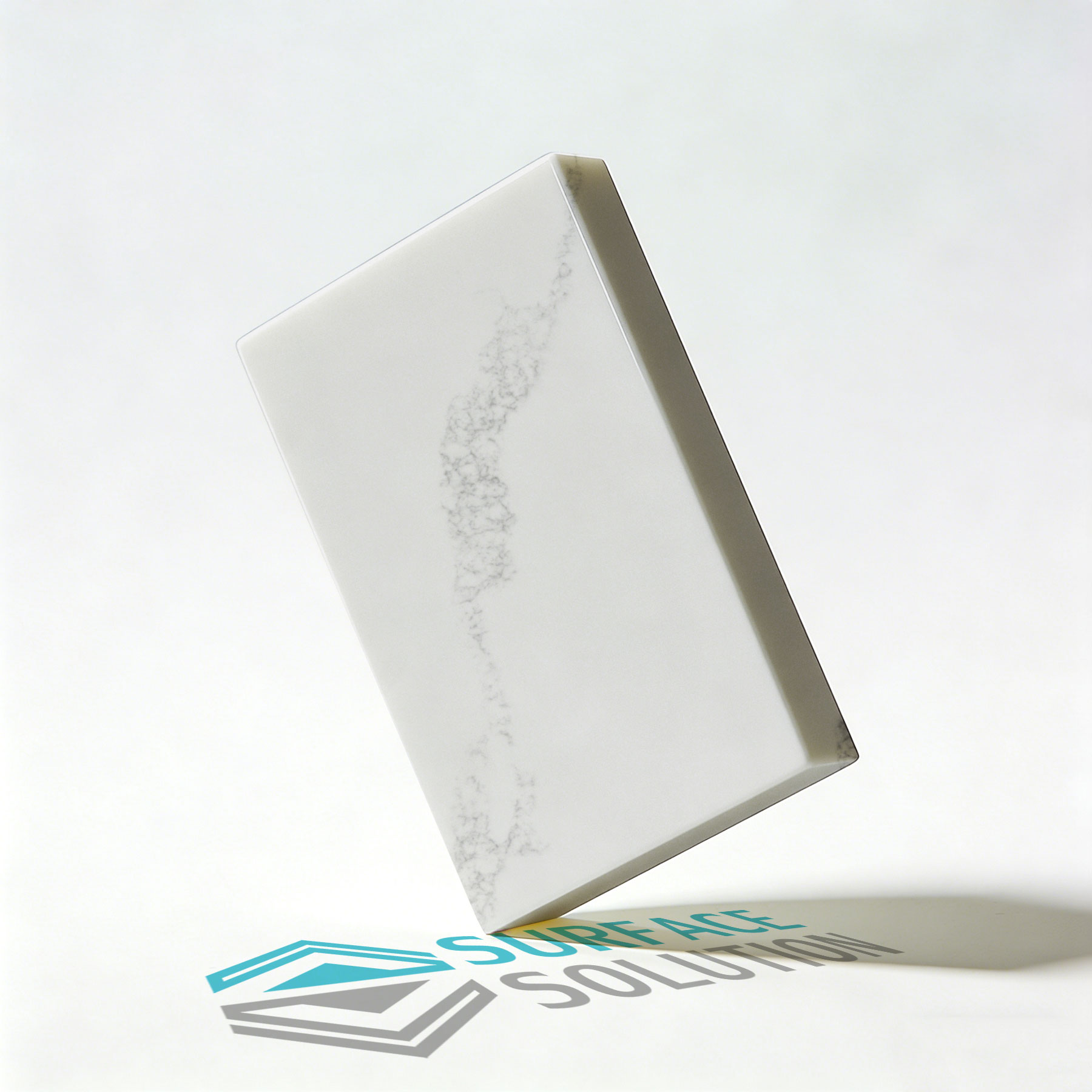 Custom Size Acrylic Solid Surface Panels for Interior RenovationInterior renovation projects often come with non‑standard dimensions, unique layout requirements and personalized design visions. Off‑the‑shelf building materials frequently fail to fit special wall sections, counter layouts or feature
