


Customizing Your Acrylic Solid Surface: Tips And Ideas


Customizing Your Acrylic Solid Surface: Tips And Ideas
First: Understand the Basics of Acrylic Solid Surface Customization
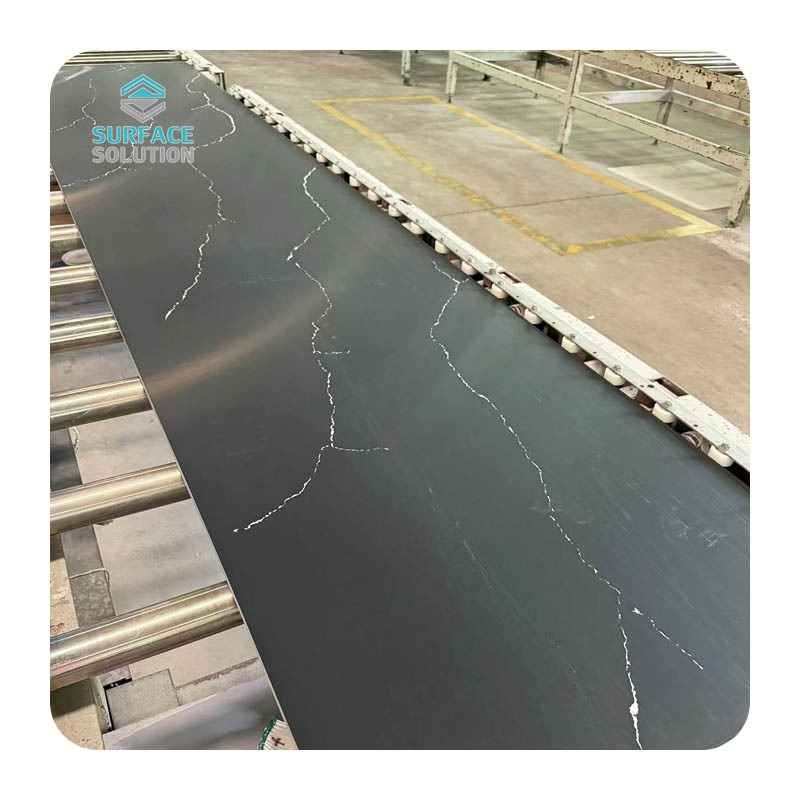
Before diving into design ideas, it’s crucial to grasp why acrylic solid surface is so customizable. Made from a blend of acrylic resin, natural minerals, and pigments, this material is non-porous, heat-resistant (within reasonable limits), and easy to shape, cut, and join. Unlike stone, which has inherent veining or flaws that limit design flexibility, acrylic solid surface can be tailored to almost any color, texture, or form. It also allows for seamless joints— a key advantage for creating a sleek, monochromatic look. Keep these properties in mind as you plan your customization; they’ll guide your choices and ensure your design is both beautiful and functional.
Essential Tips for Successful Customization
1. Start with a Clear Vision (and Budget)
2. Choose the Right Color and Finish
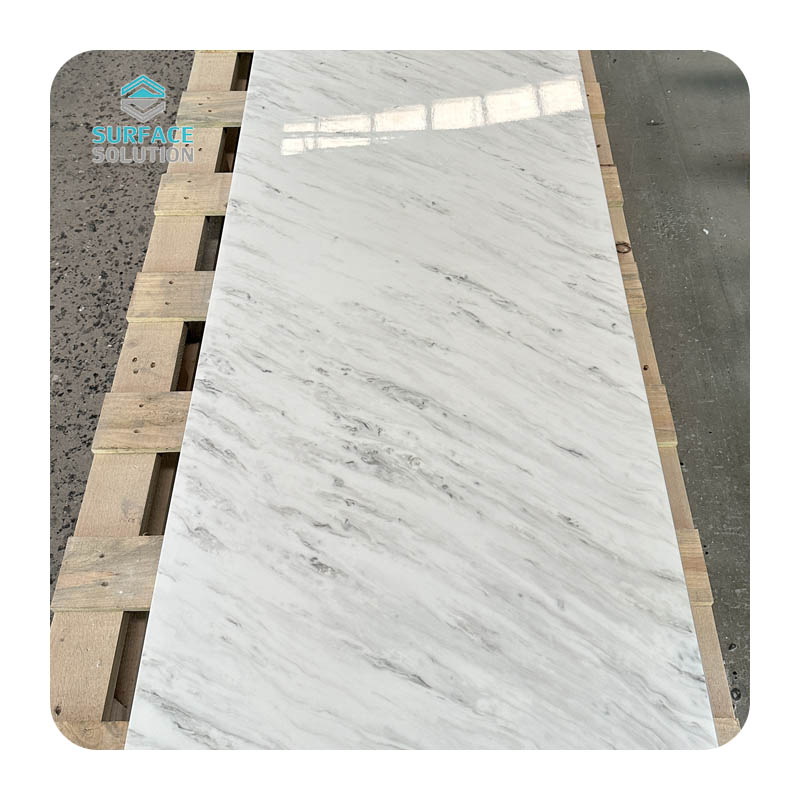
Acrylic solid surface comes in a vast array of standard colors, from neutral whites and grays to vibrant blues, greens, and even pastels. But if standard hues don’t suit your style, many manufacturers offer custom color matching. You can match the material to a paint swatch, fabric, or even a piece of art to create a cohesive look. When it comes to finishes, options include matte, semi-gloss, high-gloss, and textured (like sandblasted or brushed). Matte finishes are ideal for hiding fingerprints in high-traffic areas, while high-gloss finishes add a modern, luxurious touch. Textured finishes can mimic the look of natural stone or add visual interest to plain surfaces.
3. Pay Attention to Edges and Seams
4. Prioritize Functionality
Related Blogs
-
 Solid surface has become a mainstream decorative material for kitchen countertops, bathroom vanities, reception desks and hotel wet areas. Many buyers get confused between pure acrylic solid surface and composite solid surface, also known as modified acrylic solid surface. Though both belong to the
-
 When homeowners and kitchen designers hunt for reliable countertop materials, stain resistance always sits near the top of the checklist. If you are considering acrylic solid surface for your kitchen, the short answer is: yes, it is highly stain-resistant for daily kitchen use, though it is not enti
-
 For wholesalers, designers and end users working with acrylic solid surface countertops, vanity sinks and table tops, scratches are one of the most common concerns. Many people wonder whether a scratched acrylic solid surface can be fixed, or if the slab has to be replaced once marks appear. The cle
-
 Many architects, bathroom renovators, wholesalers and homeowners ask the same question before choosing acrylic solid surface for countertops, vanity basins, shower walls and tabletops: will this material turn yellow as years go by? The simple answer is: high-quality pure acrylic solid surface rarely


