Combining Aesthetics and Durability: Acrylic Solid Surface Trends
In the realm of interior design and architectural materials, the pursuit of both visual appeal and long-lasting performance has always been a core demand. Acrylic solid surface, a versatile and innovative material, has emerged as a front-runner in meeting this demand, evolving continuously to align with modern design philosophies and practical needs. Today, the trends surrounding
acrylic solid surface are increasingly centered on the seamless integration of aesthetics and durability, redefining spaces from residential homes to commercial establishments. This article explores the key trends shaping the acrylic solid surface industry, highlighting how the material balances beauty and resilience to cater to the evolving tastes of designers and consumers.
1. Natural Mimicry with Enhanced Realism
One of the most prominent trends in
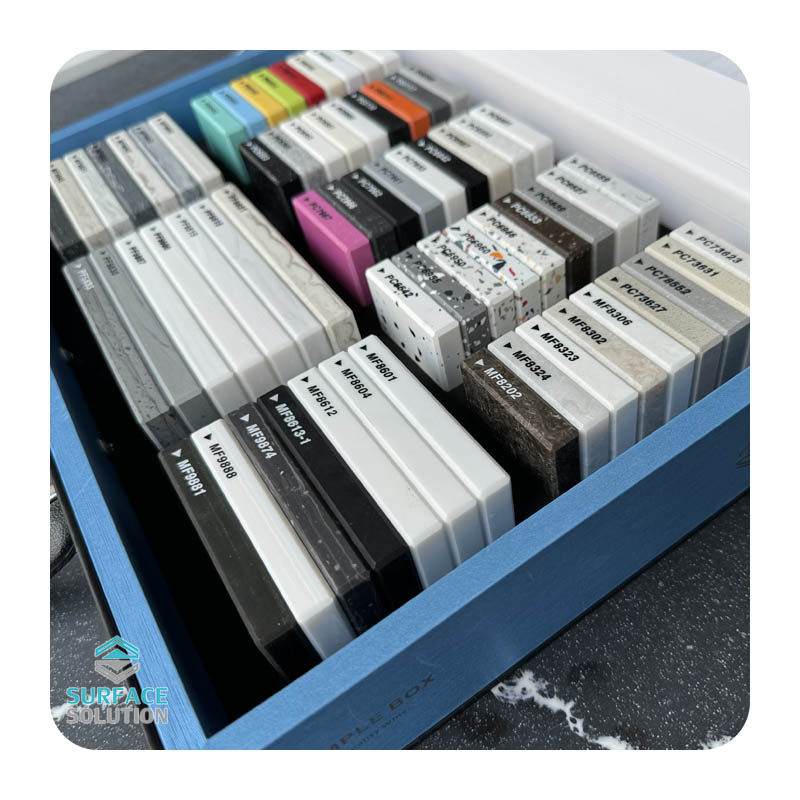
acrylic solid surface is the drive to replicate natural materials with unprecedented realism, without compromising on durability. In recent years, consumers and designers have developed a growing affinity for the organic beauty of natural stone, wood, and marble, but these materials often come with drawbacks such as porosity, susceptibility to scratches, and high maintenance requirements. Acrylic solid surface manufacturers have risen to the challenge by leveraging advanced digital printing and molding technologies to create surfaces that mimic the intricate veining of marble, the grain of hardwood, and the texture of travertine with striking accuracy.
Unlike natural materials, these mimetic acrylic surfaces are non-porous, stain-resistant, and easy to maintain—qualities that make them ideal for high-traffic areas such as kitchens, bathrooms, and commercial lobbies. For instance, acrylic solid surface countertops designed to look like Calacatta marble offer the same luxurious aesthetic but are resistant to coffee stains, wine spills, and daily wear and tear. This trend not only satisfies the desire for natural beauty but also addresses the practical concerns of durability, making acrylic solid surface a preferred choice for both residential and commercial projects.
2. Minimalist and Seamless Design
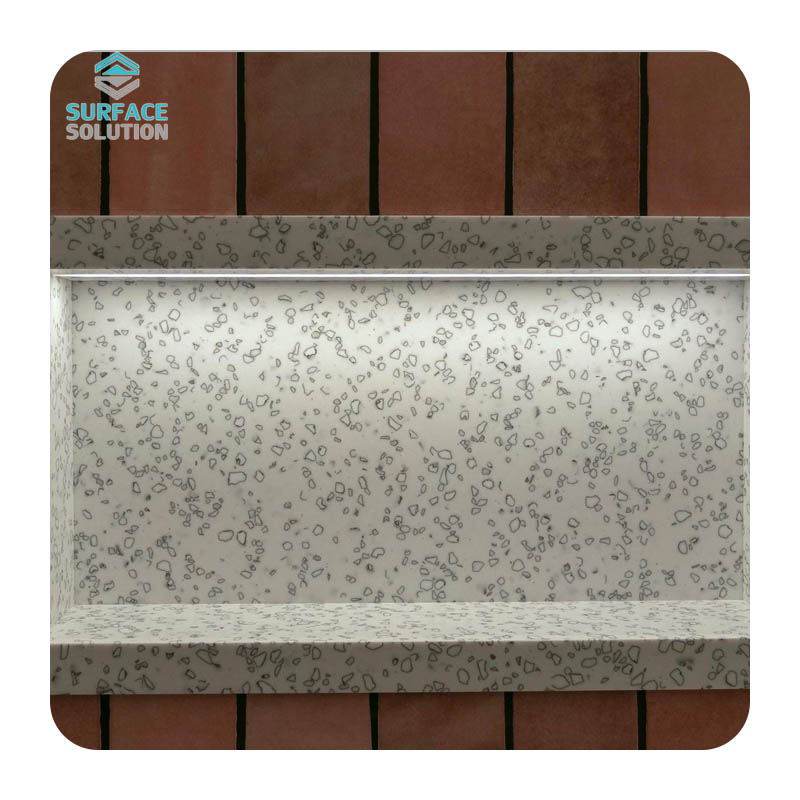
Minimalism has become a dominant force in modern design, emphasizing clean lines, uncluttered spaces, and a sense of calm. Acrylic solid surface, with its ability to be fabricated into seamless installations, perfectly complements this trend. Unlike tile or natural stone, which require grout lines that can accumulate dirt and disrupt the visual flow, acrylic solid surface can be thermoformed and joined with invisible seams, creating a smooth, continuous surface that enhances the minimalist aesthetic.
This seamless design trend is particularly popular in bathrooms and kitchens, where countertop and backsplash combinations, or even entire shower walls, can be crafted from a single piece of acrylic solid surface. The absence of seams not only elevates the visual appeal but also improves hygiene, as there are no gaps for mold, mildew, or bacteria to grow. Additionally, the flexibility of acrylic solid surface allows for custom shapes and curves, enabling designers to create unique, organic forms that further enhance the minimalist and contemporary feel of a space. Whether it’s a sleek kitchen island or a curvilinear bathroom vanity, seamless acrylic solid surface installations are redefining the concept of modern luxury.
3. Sustainable and Eco-Friendly Innovations
As sustainability becomes a global priority, the acrylic solid surface industry is embracing eco-friendly practices and materials, a trend that resonates deeply with environmentally conscious consumers and designers. Manufacturers are increasingly using recycled acrylic resins in their products, reducing the reliance on virgin materials and minimizing carbon footprints. Moreover, acrylic solid surface is inherently a low-waste material, as it can be easily cut and fabricated to fit specific dimensions, and any leftover scraps can be recycled or repurposed for other projects.
Another aspect of the sustainability trend is the development of acrylic solid surface with low VOC (Volatile Organic Compound) emissions. Traditional building materials often release harmful VOCs into the air, affecting indoor air quality. Eco-friendly acrylic solid surface, however, is formulated to emit minimal or no VOCs, creating healthier living and working environments. Additionally, the durability of acrylic solid surface contributes to its sustainability—its long lifespan means fewer replacements, reducing the amount of waste sent to landfills. This combination of aesthetic versatility and eco-conscious design makes sustainable acrylic solid surface a key trend in the modern design landscape.
4. Bold Colors and Textural Experiments
While natural mimicry and minimalism dominate, there is also a growing trend toward bold, vibrant colors and innovative textures in acrylic solid surface. As designers seek to create statement pieces and unique focal points, acrylic solid surface’s ability to be dyed in a wide range of hues—from deep jewel tones to bright pastels—has made it a favorite for adding personality to spaces. Unlike paint, which can chip or fade over time, the color of acrylic solid surface is integral to the material, ensuring long-lasting vibrancy even with daily use.
Textural experimentation is another exciting aspect of this trend. Manufacturers are developing acrylic solid surface with tactile textures such as matte finishes, brushed surfaces, and even rough, stone-like textures that add depth and dimension to a space. These textures not only enhance the visual appeal but also improve grip, making them suitable for applications such as bathroom floors or kitchen worktops. For example, a matte black acrylic solid surface countertop with a subtle textured finish can create a dramatic, modern look in a kitchen, while a soft pink textured surface can add warmth and charm to a bathroom. This trend showcases the versatility of acrylic solid surface, proving that it can cater to both understated elegance and bold, expressive design.
5. Integration with Smart Home Technology
The rise of smart homes has led to a new trend in acrylic solid surface: integration with smart technology. As homeowners and designers look for ways to combine functionality with aesthetics, acrylic solid surface is being used as a seamless backdrop for smart devices, or even as a material for smart surfaces themselves. For instance, acrylic solid surface countertops can be embedded with wireless charging pads, touch-sensitive controls for appliances, or LED lighting systems that adjust to the time of day.
The non-porous and heat-resistant properties of acrylic solid surface make it an ideal material for housing smart technology, as it can withstand the heat generated by devices and is easy to clean. Additionally, the ability to customize the color and texture of acrylic solid surface allows smart devices to blend seamlessly into the overall design of a space, rather than standing out as obtrusive elements. This trend is particularly prevalent in high-end residential projects and commercial spaces such as hotels and offices, where the integration of technology and design is a key priority.
Conclusion
Acrylic solid surface has established itself as a material that seamlessly combines aesthetics and durability, and the current trends in the industry further reinforce this reputation. From realistic natural mimicry to seamless minimalist designs, from eco-friendly innovations to bold colors and smart technology integration, acrylic solid surface continues to evolve to meet the changing needs and tastes of designers and consumers. As the demand for materials that offer both beauty and practicality grows, acrylic solid surface is poised to remain a dominant force in the world of interior design and architecture. Its versatility, durability, and ability to adapt to emerging trends make it a material that will continue to shape the spaces we live, work, and play in for years to come.


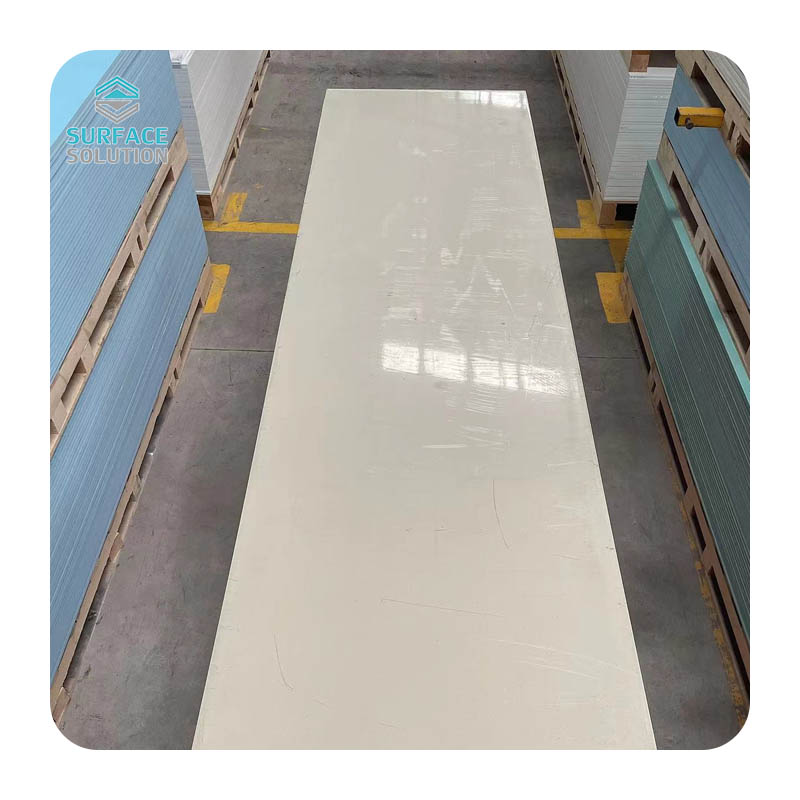
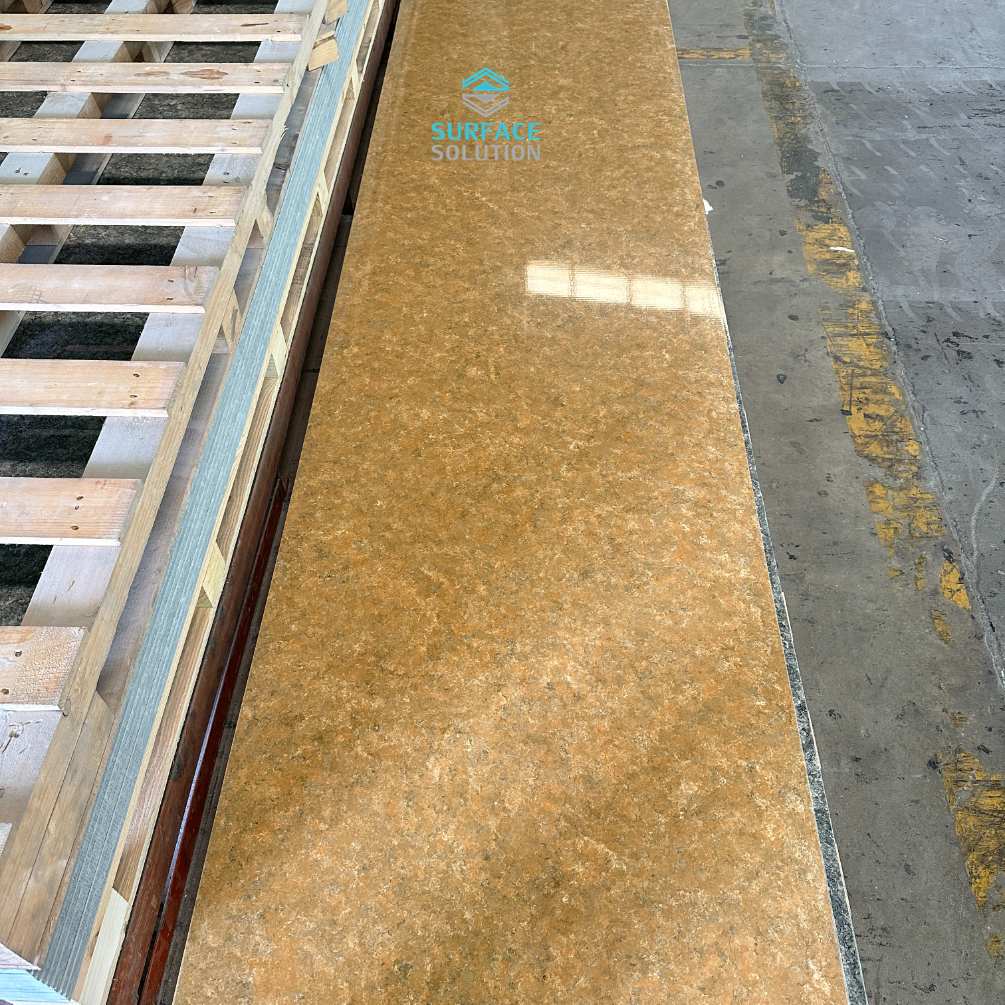 Wholesale Acrylic Solid Surface Slabs: Ultimate Material Solution for Countertop FabricatorsIn the competitive countertop manufacturing and renovation industry, material quality, processing flexibility, and cost efficiency are the three core factors that determine a fabricator’s market competitivene
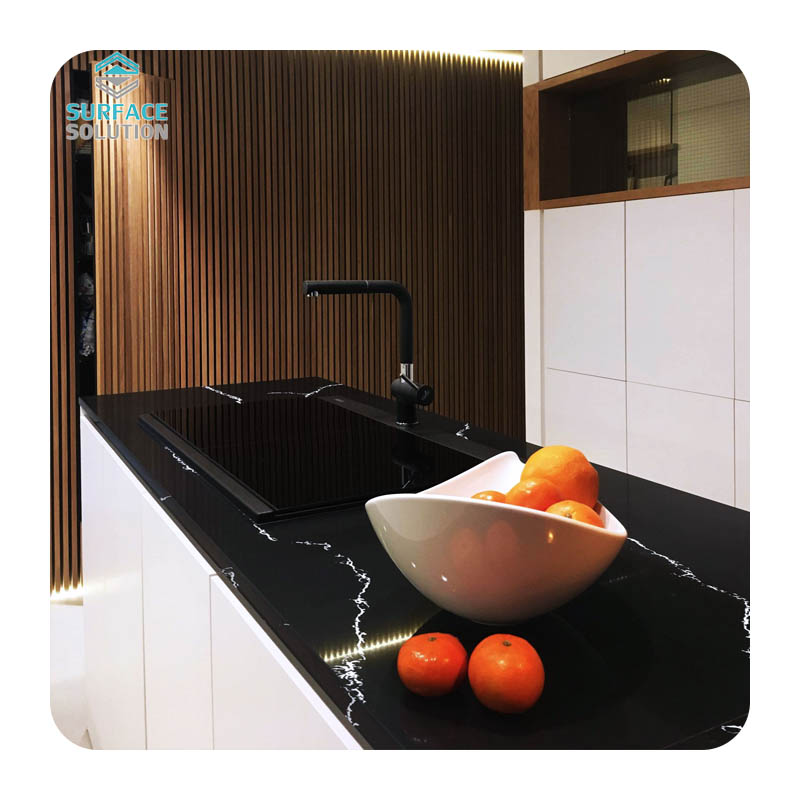 In modern residential and commercial interior design, vanity tops and kitchen islands serve as both functional core fixtures and key aesthetic focal points. These high-frequency usage surfaces require materials that balance outstanding durability, reliable hygiene, flexible design potential, and eff
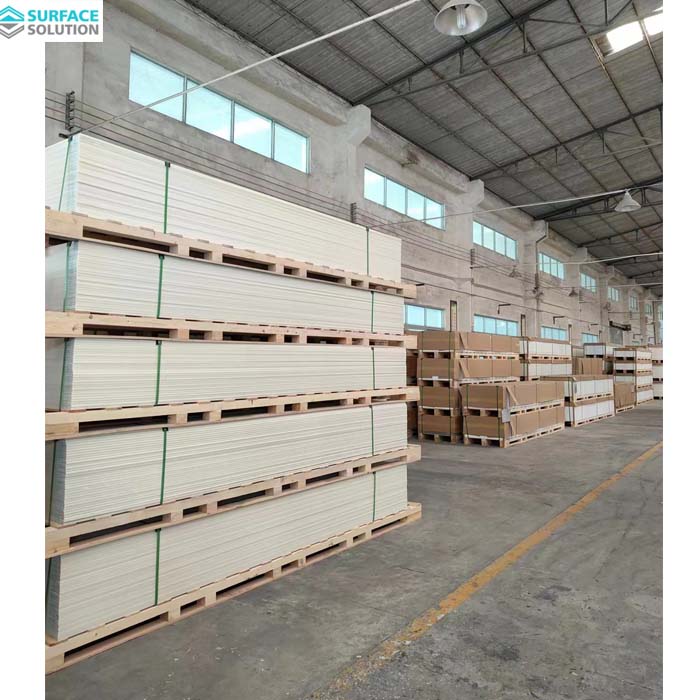 White acrylic solid surface countertops have become a top-tier mainstream choice for modern residential renovation and commercial space design, balancing minimalist timeless aesthetics, superior physical performance and long-term cost-effectiveness. Compared with traditional granite, quartz stone an
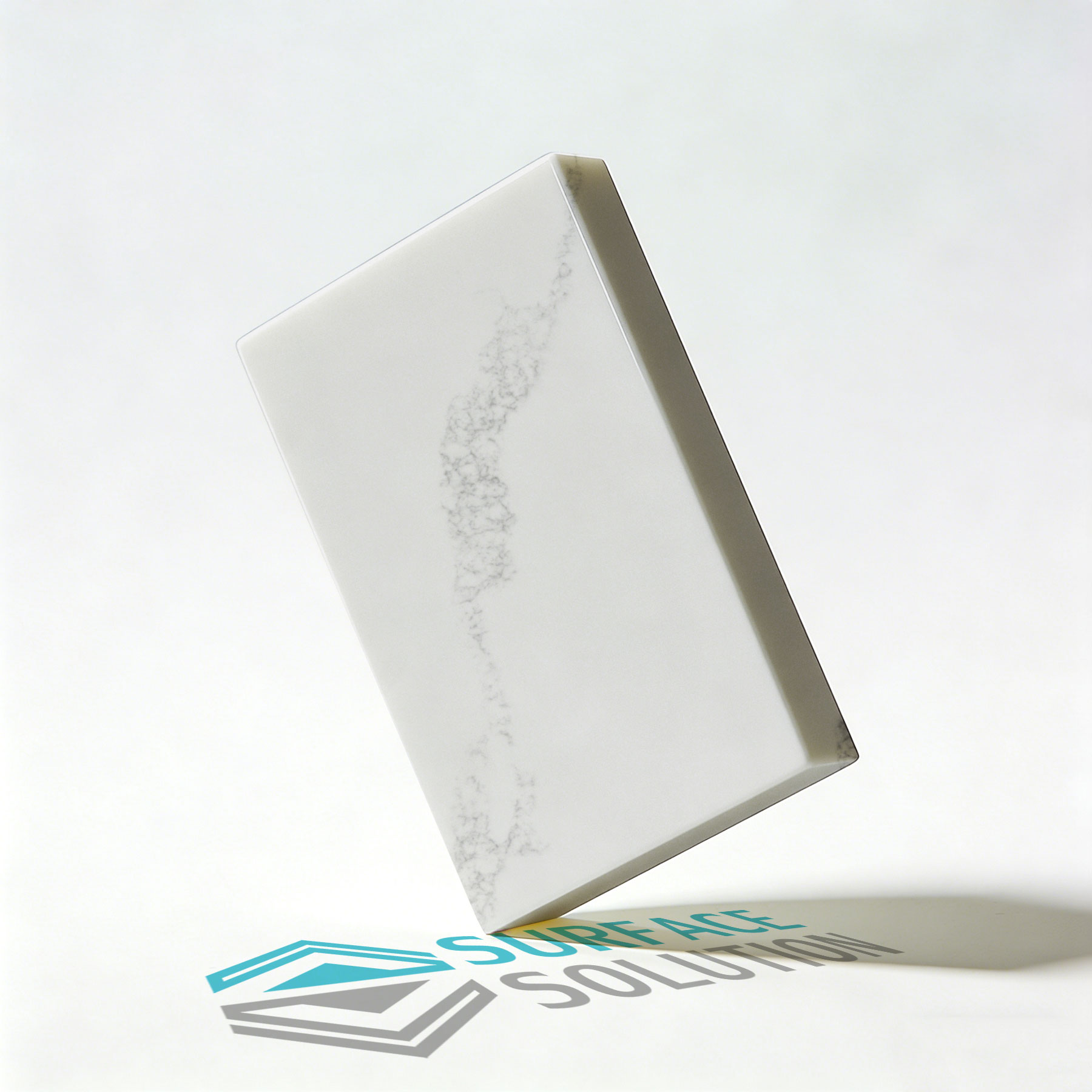 Custom Size Acrylic Solid Surface Panels for Interior RenovationInterior renovation projects often come with non‑standard dimensions, unique layout requirements and personalized design visions. Off‑the‑shelf building materials frequently fail to fit special wall sections, counter layouts or feature


