


Best Maintenance Practices for Acrylic Solid Surfaces


Step 1: Dust first – Use a soft, lint-free cloth (microfiber works best) or a feather duster to remove loose debris. This avoids scratching the surface when wiping later.
Step 2: Clean with mild solutions – Mix a few drops of mild dish soap (e.g., Dawn, Palmolive) with warm water. Dampen a soft cloth in the solution and wipe the surface in circular motions. For larger areas (e.g., kitchen countertops), use a soft sponge (avoid scouring pads).
Step 3: Rinse & dry – Wipe away soap residue with a clean, damp cloth, then dry immediately with a towel. This prevents water spots, especially on dark-colored acrylic.
Pro tip: For daily touch-ups (e.g., spills of water, soda), use a damp paper towel—no soap needed.
Critical rule: Never let stains sit for more than 24 hours. Even non-porous acrylic can develop discoloration if dyes or chemicals are left too long.
Clean the area – Wipe the scratch with isopropyl alcohol to remove dust and oils.
Sand gently – Use 400-grit sandpaper (wet) to sand the scratch in a straight line (not circular). Keep the sandpaper damp to reduce friction and prevent heat damage.
Polish to restore shine – Apply a small amount of acrylic polish (e.g., Novus Plastic Polish #2) to a soft cloth. Buff the sanded area in circular motions until the scratch disappears and the surface matches the surrounding area.
Finish with a seal – Wipe the area with a clean cloth to remove polish residue. For extra protection, apply a thin layer of acrylic wax (manufacturer-recommended) and buff to a shine.
Start with 320-grit sandpaper (wet) to smooth the scratch, then progress to 400-grit and 600-grit for a finer finish. Follow with polishing as above.
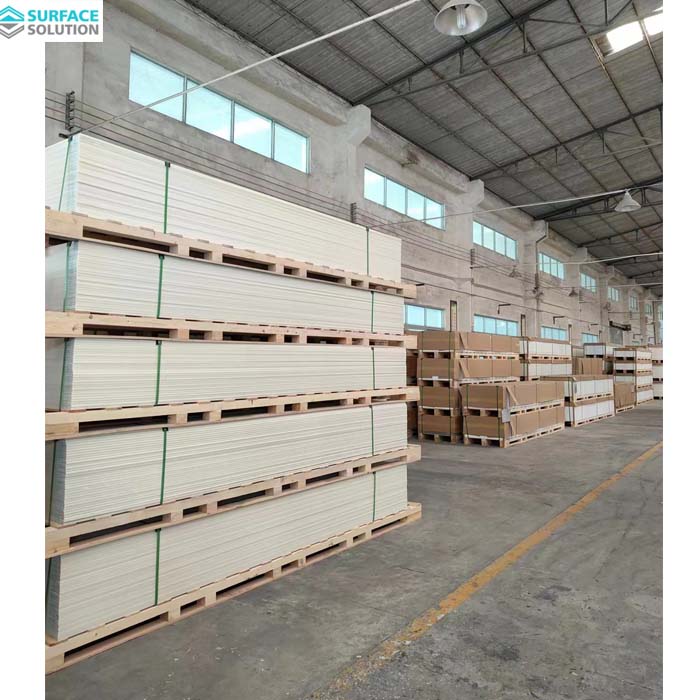
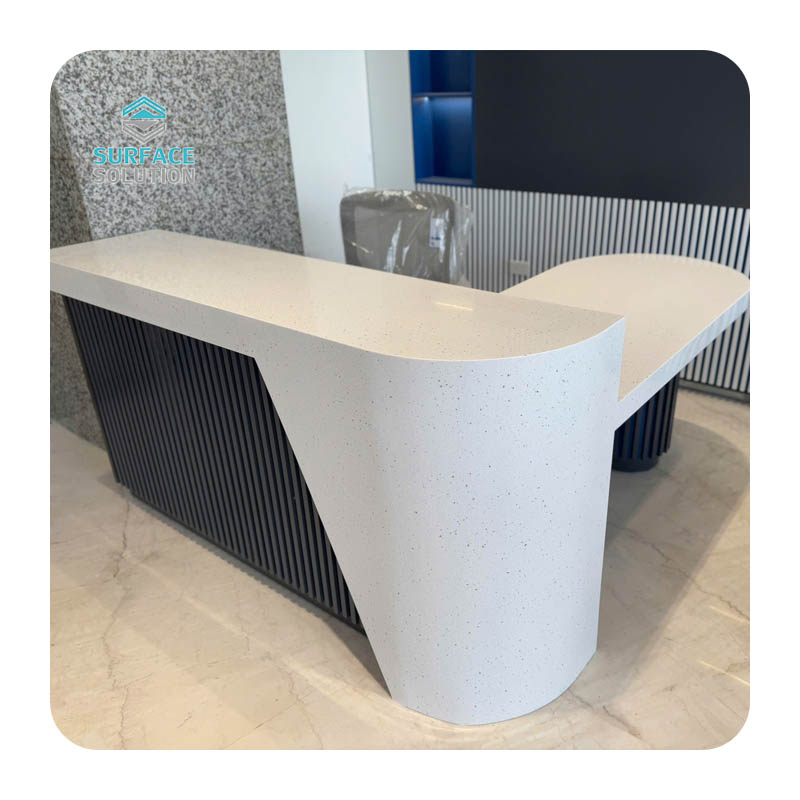
Protect from heat – Never place hot pots, pans, or hair dryers directly on acrylic. Use heat-resistant pads (silicone or cork) for cookware and heat mats for styling tools. Extreme heat (over 180°F/82°C) can cause warping or discoloration.
Avoid sharp objects – Do not cut, slice, or scrape acrylic with knives, scissors, or metal tools. Use cutting boards for food prep and plastic scrapers (not metal) to remove stuck-on debris.
Steer clear of harsh chemicals – Never use ammonia-based cleaners (e.g., Windex), bleach, paint thinners, or nail polish remover on acrylic. These chemicals break down the surface, causing cloudiness or etching.
Prevent heavy impacts – Acrylic can crack under excessive weight (e.g., standing on a vanity countertop) or sharp impacts (e.g., dropping a heavy pot). Use caution with heavy items and avoid leaning on edges.
Inspect seams – Check where two acrylic sheets join (e.g., countertop corners). If seams look cracked or gaps appear, reapply color-matching seam filler (follow the manufacturer’s instructions) to prevent moisture from seeping underneath.
Deep clean – Once a year, use a commercial acrylic cleaner (e.g., Countertop Magic) to remove built-up residues that mild soap may miss. Follow with a polish to restore shine.
Protect from UV rays – If your acrylic surface is near a window, use UV-blocking curtains or film. Prolonged sunlight exposure can fade light-colored acrylic over time.
❌ Myth: "Glass cleaner works on acrylic." – Fact: Ammonia in glass cleaner clouds acrylic permanently.
❌ Myth: "Steel wool is safe for tough stains." – Fact: Steel wool scratches acrylic, leaving irreversible marks.
❌ Myth: "Acrylic doesn’t need polishing." – Fact: Polishing removes micro-scratches and maintains the surface’s glossy finish.
Related Blogs
-
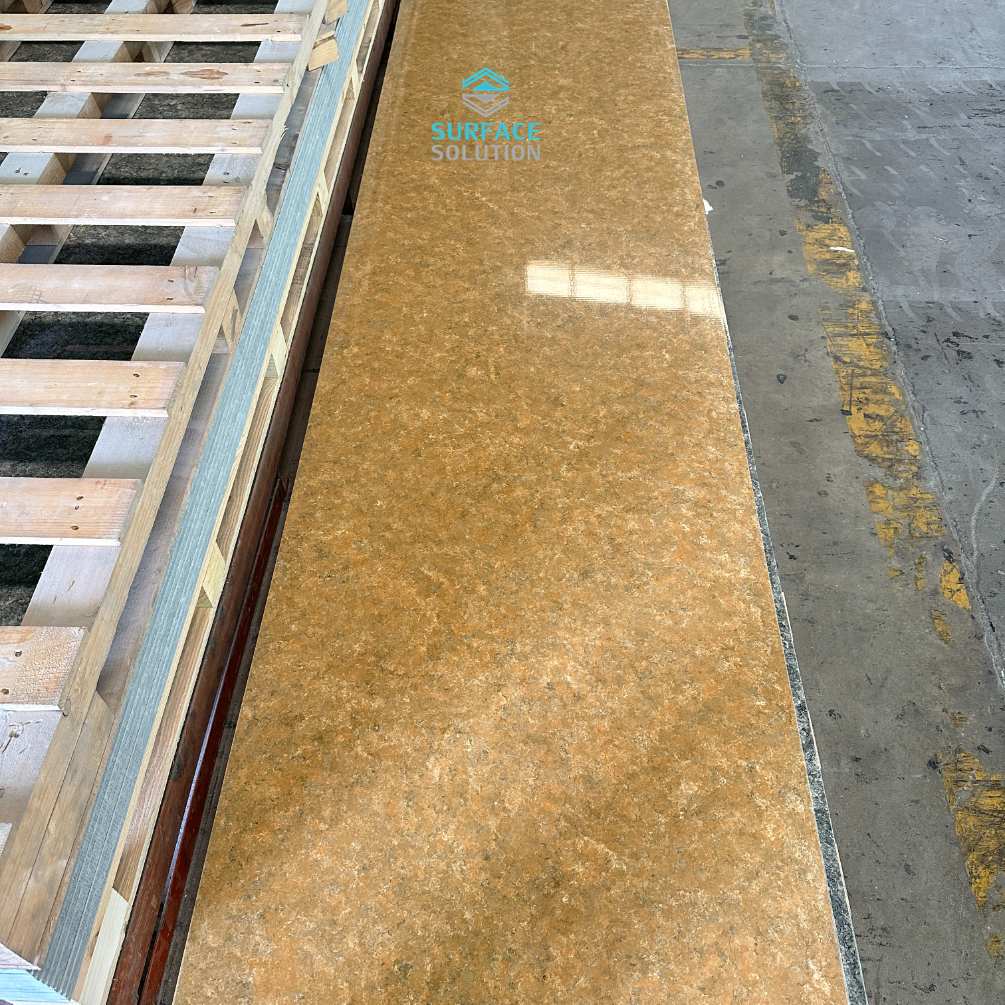 Wholesale Acrylic Solid Surface Slabs: Ultimate Material Solution for Countertop FabricatorsIn the competitive countertop manufacturing and renovation industry, material quality, processing flexibility, and cost efficiency are the three core factors that determine a fabricator’s market competitivene
 -
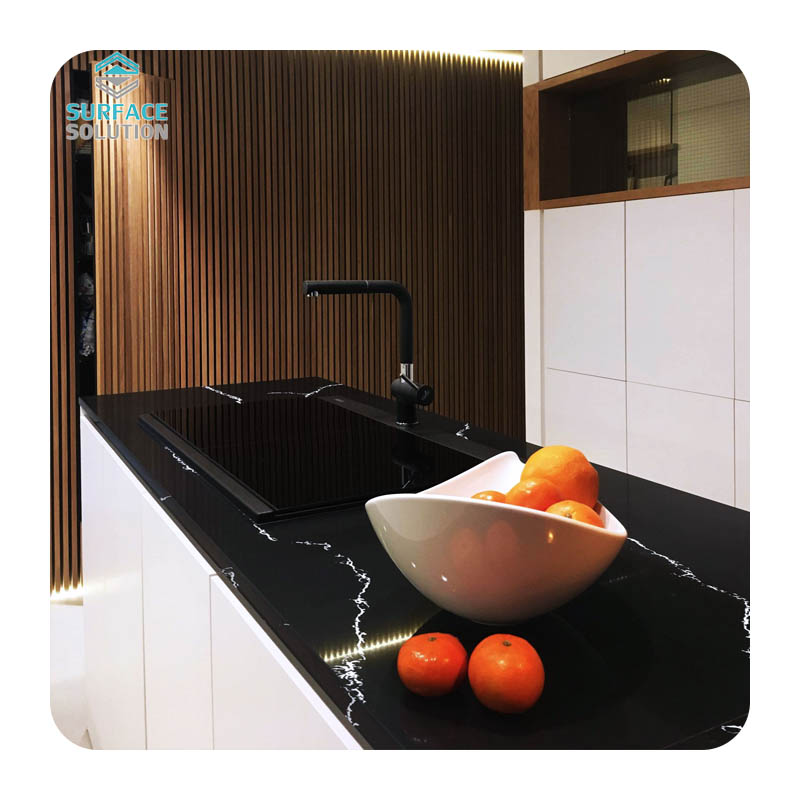 In modern residential and commercial interior design, vanity tops and kitchen islands serve as both functional core fixtures and key aesthetic focal points. These high-frequency usage surfaces require materials that balance outstanding durability, reliable hygiene, flexible design potential, and eff
 - White acrylic solid surface countertops have become a top-tier mainstream choice for modern residential renovation and commercial space design, balancing minimalist timeless aesthetics, superior physical performance and long-term cost-effectiveness. Compared with traditional granite, quartz stone an
-
 Custom Size Acrylic Solid Surface Panels for Interior RenovationInterior renovation projects often come with non‑standard dimensions, unique layout requirements and personalized design visions. Off‑the‑shelf building materials frequently fail to fit special wall sections, counter layouts or feature


