


Bathroom Sink Furniture Maintenance: Do's And Don'ts for Acrylic Artificial Stone


Bathroom Sink Furniture Maintenance: Do's and Don'ts for Acrylic Artificial Stone
When it comes to luxury bathroom design, acrylic artificial stone has become a go-to material for sink furniture, thanks to its sleek appearance, exceptional durability, and low-maintenance nature. Unlike natural stone, which often requires intensive care to preserve its beauty, acrylic artificial stone offers a perfect balance of elegance and practicality—boasting a non-porous surface that resists stains, mold, and everyday wear. However, to keep your acrylic artificial stone bathroom sink furniture looking its best for years, it's essential to follow specific maintenance guidelines. This article breaks down the key do’s and don’ts to help you protect your investment, ensuring your bathroom remains a sophisticated, spa-like retreat.
Why Acrylic Artificial Stone Stands Out for Bathroom Sink Furniture
Acrylic artificial stone is engineered by combining acrylic resin, natural mineral fillers, and pigments, resulting in a material that mimics the look of natural stone (such as marble or quartz) while eliminating its drawbacks. Its non-porous surface prevents water absorption, making it ideal for the humid bathroom environment—where moisture, soap scum, and daily use can take a toll on less durable materials. Additionally, acrylic artificial stone is flexible, reducing the risk of cracking from minor impacts, and it can be easily repaired if scratches or chips occur. Whether used for vanity tops, integrated sinks, or vessel sink bases, this material adds a touch of luxury to any bathroom—provided it's cared for correctly.

Essential Do's for Maintaining Acrylic Artificial Stone Sink Furniture
1. Clean Routinely with Mild, pH-Neutral Cleaners
Regular cleaning is the simplest way to preserve the shine and integrity of acrylic artificial stone. Aim to wipe down your sink and vanity top daily with a soft microfiber cloth to remove soap scum, toothpaste, and water spots before they build up. For deeper cleaning, use a mild, pH-neutral cleaner—such as a mixture of warm water and gentle dish soap, or a cleaner specifically designed for acrylic surfaces. These products effectively lift dirt without damaging the material. Always rinse thoroughly with warm water after cleaning and dry with a soft cloth to prevent water spots from forming.
2. Address Spills Immediately
While acrylic artificial stone is stain-resistant, it’s not entirely impervious to strong pigments or acidic substances. Spills like hair dye, coffee, red wine, citrus juices, or harsh skincare products should be wiped up right away with a damp cloth. Leaving these spills unattended can lead to discoloration, especially if the surface has minor micro-scratches that can trap pigments over time. Prompt cleanup ensures your sink furniture maintains its uniform, pristine appearance.
3. Shield Against Scratches and Impact
Acrylic artificial stone is resistant to minor scratches, but sharp objects and heavy impacts can still cause damage. To prevent scratches, use a tray or mat to hold sharp items like razors, nail clippers, and hair tools. Avoid dropping heavy objects—such as glass bottles, metal containers, or hair dryers—onto the surface, as this can result in chips or cracks. For vessel sinks, consider using soft coasters under toiletries (e.g., perfume bottles, soap dispensers) to prevent scratches from rough bottoms.
4. Polish Periodically to Revive Shine
Over time, daily use can dull the glossy finish of acrylic artificial stone. To restore its luster, use an acrylic-specific polish every 3 to 6 months. Apply a small amount of polish to a soft cloth and buff the surface in circular motions until it regains its shine. This process not only revives the glossy appearance but also fills in minor micro-scratches, keeping the surface smooth and luxurious. Avoid wax-based polishes, as they can leave a greasy residue that attracts dirt and dulls the finish.
5. Check for Leaks and Moisture Buildup
Moisture buildup can damage both the acrylic surface and the underlying vanity structure. Regularly inspect the seal between the sink and vanity top, as well as the area around the faucet, for leaks or moisture. Wipe up any water immediately to prevent mold growth or damage to the vanity’s interior (e.g., wood or MDF). If the sealant becomes cracked or worn, replace it promptly to prevent water from seeping into gaps and causing long-term damage.
Critical Don'ts for Acrylic Artificial Stone Sink Furniture
1. Avoid Abrasive Cleaners and Tools
Abrasive cleaners—such as scouring powder, baking soda, or gritty bathroom cleaners—can scratch the surface of acrylic artificial stone, creating tiny crevices where dirt and stains can accumulate. Similarly, avoid using abrasive tools like steel wool, scouring pads, or sharp scrapers. These tools will dull the surface, ruin its smooth texture, and make it more prone to staining, detracting from the luxury of your sink furniture.
2. Never Expose to Harsh Chemicals
Harsh chemicals can break down the acrylic resin, causing discoloration, clouding, or even surface damage. Steer clear of cleaners containing bleach, ammonia, acetone, or strong acids (e.g., hydrochloric acid, sulfuric acid). This includes many “heavy-duty” bathroom disinfectants, nail polish remover, paint thinner, and rubbing alcohol. If you accidentally spill any of these substances, rinse the area immediately with plenty of warm water and dry it thoroughly to minimize damage.
3. Don't Place Hot Objects Directly on the Surface
Acrylic artificial stone can withstand moderate heat but is not heat-resistant. Placing hot objects—such as boiling water, hot curling irons, hair straighteners, or heated towel rails—directly on the sink or vanity top can cause the surface to warp, bubble, or discolor. Always use a heat-resistant trivet or mat to protect the surface from thermal damage, especially for thinner vessel sinks.
4. Don't Ignore Scratches or Chips
Minor scratches or chips may seem trivial, but they can worsen over time. Scratches can trap dirt and stains, while chips can lead to further cracking if exposed to impact or moisture. Fortunately, acrylic artificial stone is easy to repair: use an acrylic repair kit to fill in chips and buff out small scratches. For deeper damage, consult a professional to ensure a seamless repair that matches the original surface.
5. Don't Overlook Proper Installation
Proper installation is critical to the longevity of your acrylic artificial stone sink furniture. Improper installation—such as uneven support, incorrect sealant application, or misalignment—can create stress on the material, leading to cracks or warping. Always have your acrylic sink and vanity installed by a professional with experience working with the material, and follow the manufacturer’s installation guidelines to avoid long-term damage.
Final Thoughts
Acrylic artificial stone is a versatile, luxurious choice for bathroom sink furniture, offering beauty, durability, and ease of care. By following these do’s and don’ts, you can protect your investment and keep your sink furniture looking pristine for years to come. Remember, simple, consistent maintenance is the key to preserving the elegant appearance of acrylic artificial stone—ensuring your bathroom remains a sophisticated, inviting space that reflects your refined taste.
Catalogue
Related Blogs
-
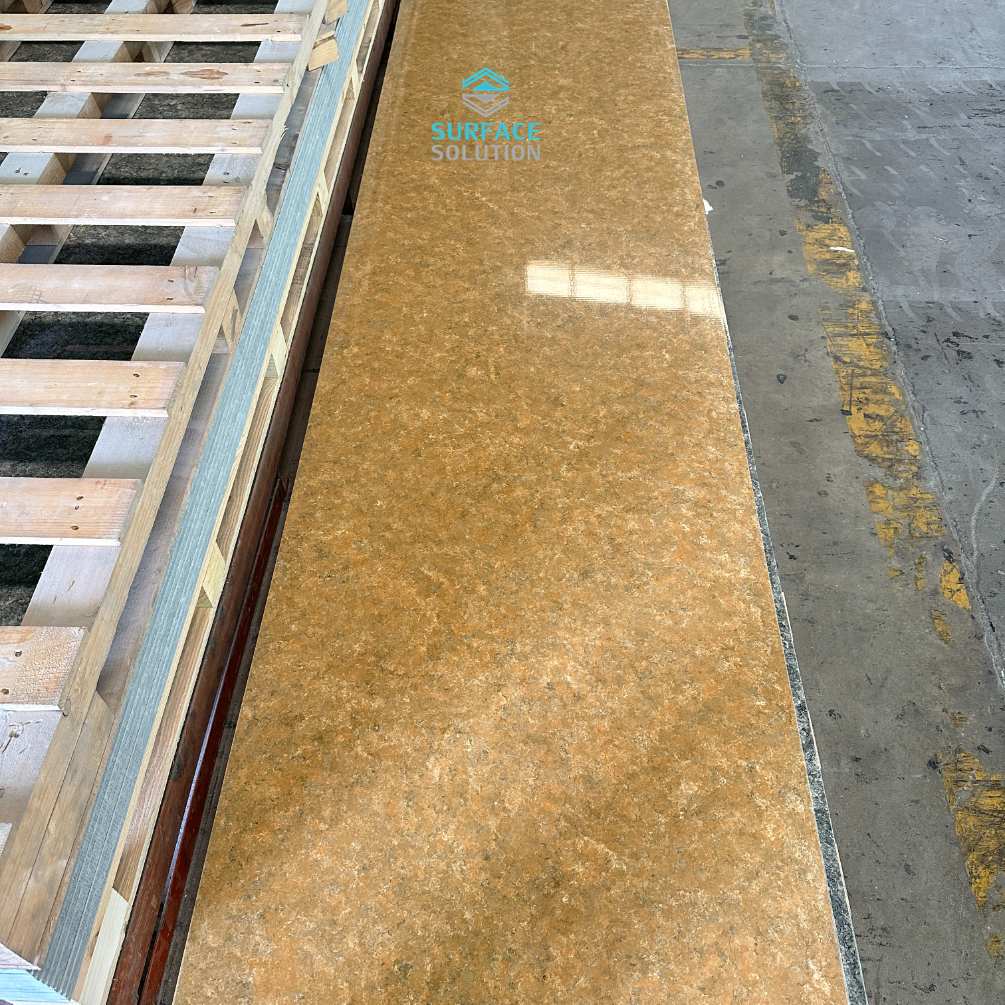 Wholesale Acrylic Solid Surface Slabs: Ultimate Material Solution for Countertop FabricatorsIn the competitive countertop manufacturing and renovation industry, material quality, processing flexibility, and cost efficiency are the three core factors that determine a fabricator’s market competitivene
 -
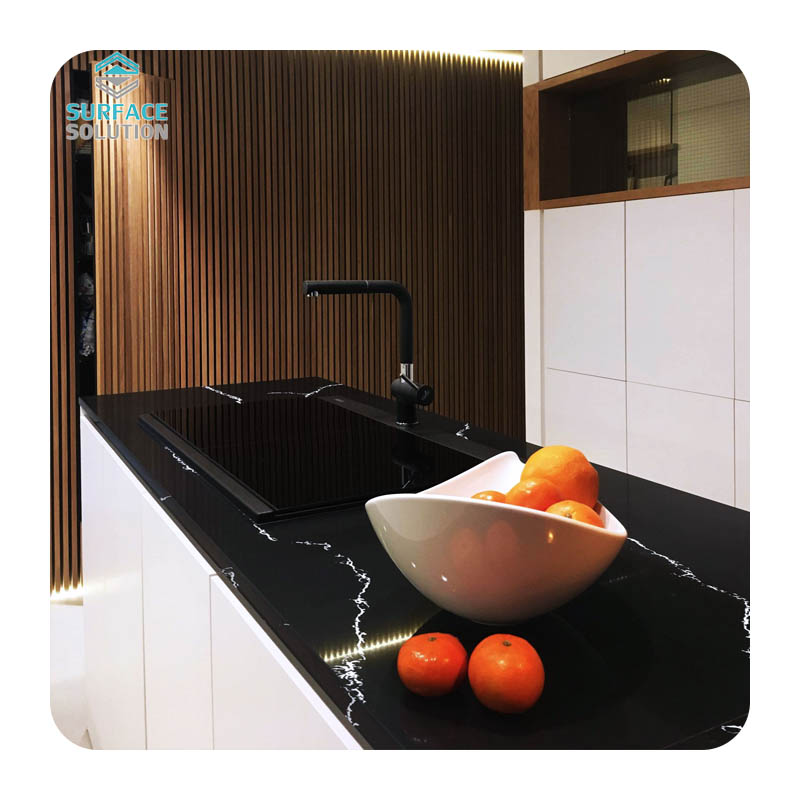 In modern residential and commercial interior design, vanity tops and kitchen islands serve as both functional core fixtures and key aesthetic focal points. These high-frequency usage surfaces require materials that balance outstanding durability, reliable hygiene, flexible design potential, and eff
 -
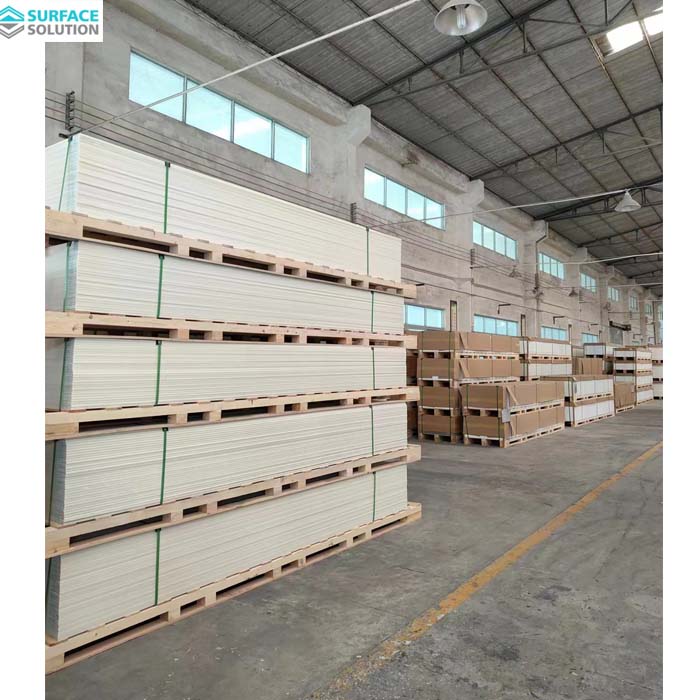 White acrylic solid surface countertops have become a top-tier mainstream choice for modern residential renovation and commercial space design, balancing minimalist timeless aesthetics, superior physical performance and long-term cost-effectiveness. Compared with traditional granite, quartz stone an
 -
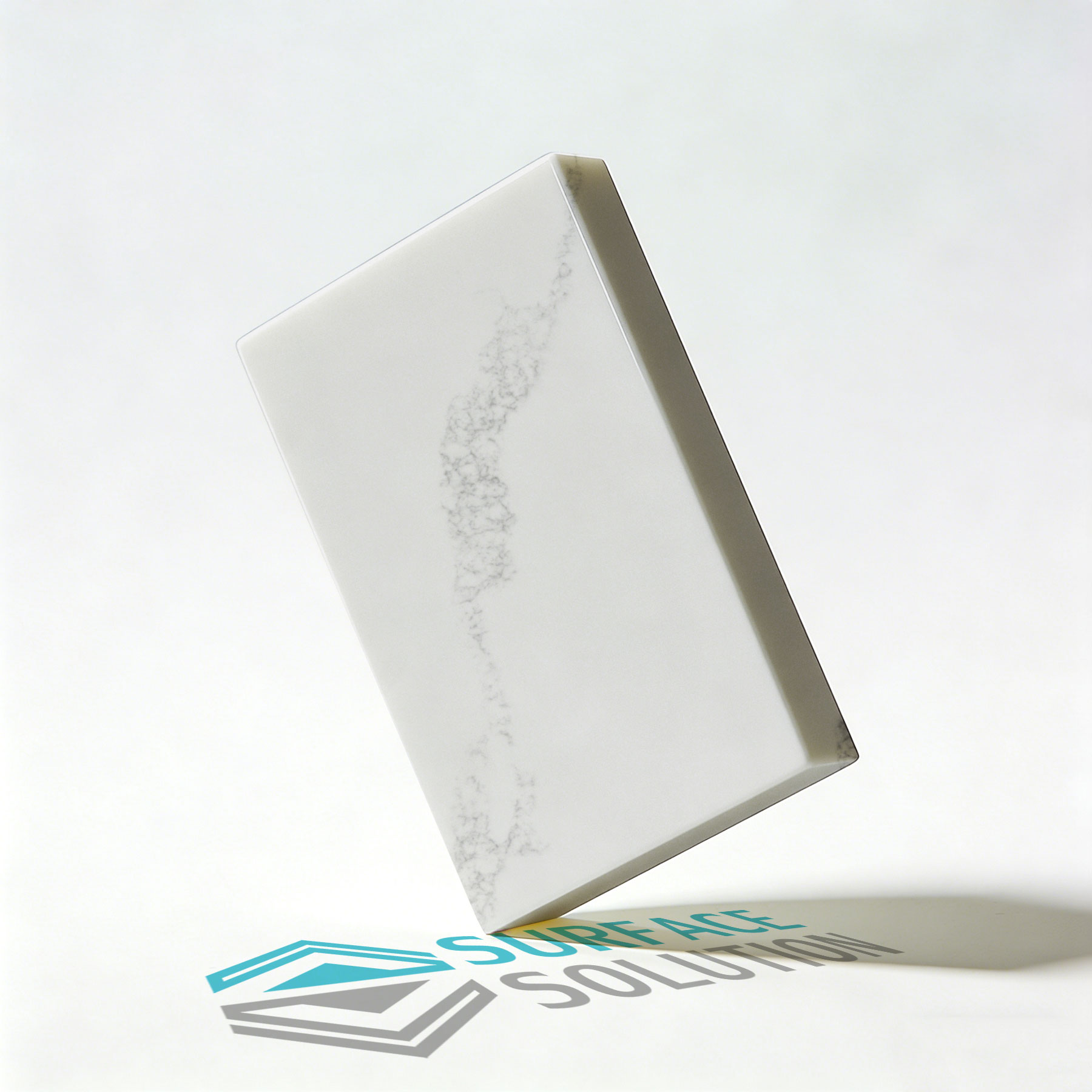 Custom Size Acrylic Solid Surface Panels for Interior RenovationInterior renovation projects often come with non‑standard dimensions, unique layout requirements and personalized design visions. Off‑the‑shelf building materials frequently fail to fit special wall sections, counter layouts or feature


