Acrylic Solid Surface: Combining Aesthetics with Functionality
In the realm of interior design and architectural materials, few options strike a balance between visual allure and practicality as seamlessly as
acrylic solid surface. This engineered material has evolved from a niche choice to a mainstream favorite, gracing both residential and commercial spaces with its sleek appearance and robust performance. Unlike natural stones with inherent flaws or traditional laminates limited by design constraints, acrylic solid surface offers a harmonious blend of aesthetics and functionality—making it a go-to solution for designers, homeowners, and business owners alike. Let’s delve into the key aspects that make this material a standout, exploring how it marries beauty with purpose.
Aesthetic Versatility: Crafting Custom Visual Experiences
One of the most compelling reasons for acrylic solid surface’s popularity is its unparalleled aesthetic flexibility. Unlike natural materials such as marble or granite, which come with fixed patterns and color variations,
acrylic solid surface can be tailored to suit virtually any design vision. Manufacturers offer an extensive palette of colors, ranging from soft neutrals (whites, beiges, grays) that exude timeless elegance to bold hues (deep blues, emerald greens, vibrant reds) that make a striking statement. This versatility allows it to integrate seamlessly into diverse design styles—from minimalist and modern to bohemian and industrial.
Beyond color,
acrylic solid surface’s smooth, non-porous finish contributes to its visual appeal. It boasts a uniform texture that lacks the pores, veins, or cracks common in natural stones, creating a sleek, contemporary look that feels refined and polished. What’s more, the material can be thermoformed into curved shapes, rounded edges, or custom contours—enabling designers to create unique features like seamless countertops, curved wall panels, or custom furniture pieces that would be difficult (or impossible) to achieve with rigid materials. For those seeking a cohesive design, acrylic solid surface can also be fabricated with matching backsplashes, sinks, and even shower surrounds, eliminating unsightly seams and creating a unified aesthetic.
Another aesthetic advantage lies in its ability to interact with light. Acrylic solid surface has a subtle translucency that allows it to diffuse light gently, adding depth and warmth to a space. When paired with backlighting or indirect lighting, it transforms into a luminous element—ideal for accent walls, decorative screens, or vanity tops that demand attention. This light-enhancing property makes it a popular choice for spaces where ambiance is a priority, such as bedrooms, bathrooms, and restaurants.
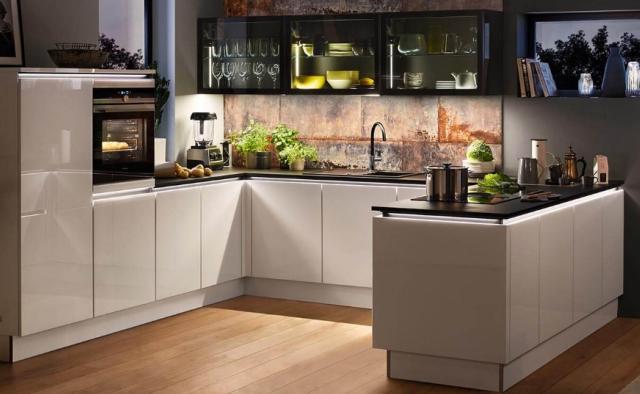
Functional Excellence: Durability and Practicality
While aesthetics draw the eye, functionality is what makes acrylic solid surface a long-lasting investment. This material is engineered to withstand the rigors of daily use, making it suitable for high-traffic areas and spaces prone to wear and tear.
First and foremost, acrylic solid surface is highly durable. It is resistant to scratches, dents, and impact—qualities that make it ideal for kitchen countertops, children’s play areas, or commercial spaces like hotels and retail stores. Unlike natural stone, which can chip or crack under heavy impact, acrylic solid surface is more forgiving; minor scratches can even be sanded and polished out, restoring the surface to its original condition without the need for costly replacements.
Its non-porous nature is another functional standout. Unlike granite or marble, which absorb liquids and are prone to staining from coffee, wine, or food spills, acrylic solid surface repels moisture and stains. This makes it incredibly easy to clean—requiring nothing more than a damp cloth and mild soap to wipe away spills. The non-porous surface also inhibits the growth of bacteria, mold, and mildew, making it a hygienic choice for kitchens, bathrooms, and healthcare facilities where cleanliness is paramount.
Acrylic solid surface is also heat-resistant (up to a certain temperature, typically 275°F/135°C), though it’s advisable to use trivets for hot pans to prevent discoloration. Additionally, it is resistant to most household chemicals, including bleach, ammonia, and common cleaning products—further enhancing its practicality for everyday use.
Applications Across Spaces: Where Aesthetics Meet Function
The blend of aesthetics and functionality makes acrylic solid surface suitable for a wide range of applications, spanning residential and commercial settings.
In residential spaces, it shines in kitchens as countertops and backsplashes—offering a seamless, easy-to-clean surface that complements any cabinetry style. In bathrooms, it is used for vanity tops, shower walls, and even bathtubs, thanks to its water-resistant and hygienic properties. Beyond these, it’s a popular choice for custom furniture (coffee tables, console tables, headboards), accent walls, and fireplace surrounds—adding a touch of luxury without sacrificing practicality.
In commercial spaces, acrylic solid surface is equally versatile. Restaurants and cafes use it for bar tops and tabletops, as it can withstand heavy use and is easy to sanitize. Retail stores leverage its customizability to create eye-catching display cases and checkout counters that align with their brand aesthetic. Healthcare facilities and laboratories choose it for its hygienic, non-porous surface, which meets strict cleanliness standards. Even hospitality spaces like hotels and resorts use it for lobby desks, vanity tops, and decorative elements—balancing durability with a high-end look.
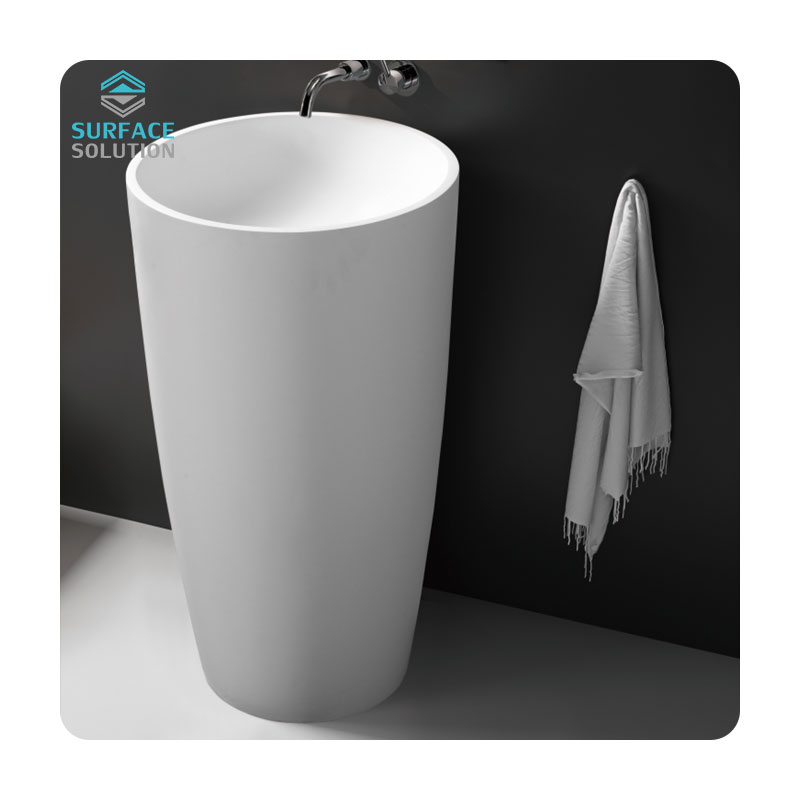
Sustainability: A Responsible Choice
In an era where sustainability is a key consideration, acrylic solid surface also delivers. Many manufacturers produce it using recycled materials, and the material itself is fully recyclable at the end of its lifespan. Its durability means it requires fewer replacements over time, reducing waste. Additionally, its non-porous surface eliminates the need for harsh chemical sealants (common in natural stones), making it a more eco-friendly option for both installation and maintenance.
Acrylic solid surface is more than just a material—it’s a design solution that proves aesthetics and functionality don’t have to be mutually exclusive. Its ability to adapt to diverse design visions, paired with its durability, hygiene, and versatility, makes it a standout choice for any space where beauty and practicality are equally important. Whether you’re renovating a kitchen, designing a commercial space, or adding a custom touch to your home, acrylic solid surface offers a perfect balance of form and function that stands the test of time.


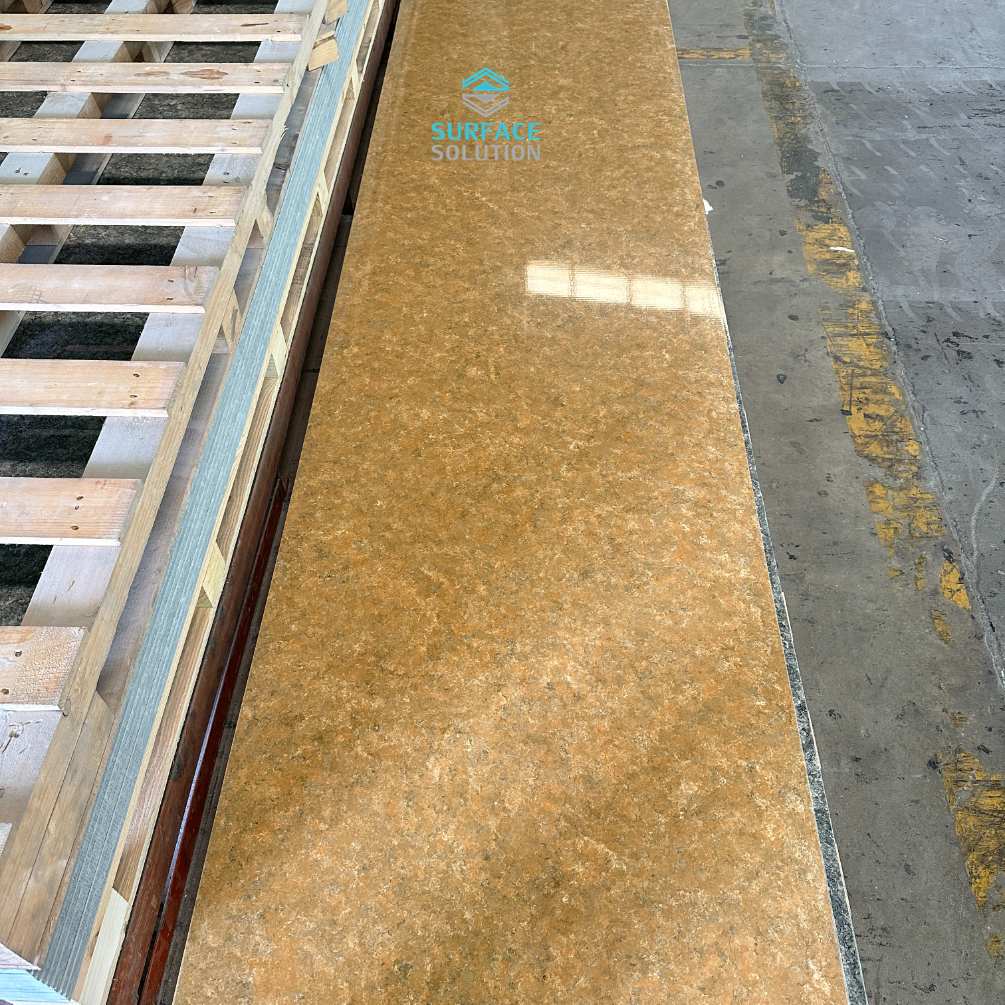 Wholesale Acrylic Solid Surface Slabs: Ultimate Material Solution for Countertop FabricatorsIn the competitive countertop manufacturing and renovation industry, material quality, processing flexibility, and cost efficiency are the three core factors that determine a fabricator’s market competitivene
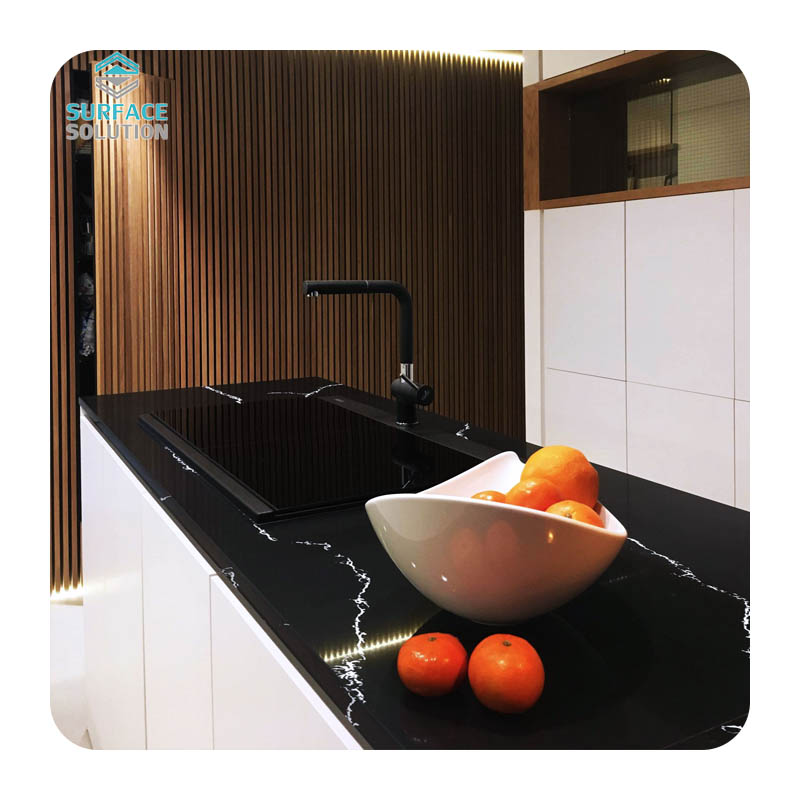 In modern residential and commercial interior design, vanity tops and kitchen islands serve as both functional core fixtures and key aesthetic focal points. These high-frequency usage surfaces require materials that balance outstanding durability, reliable hygiene, flexible design potential, and eff
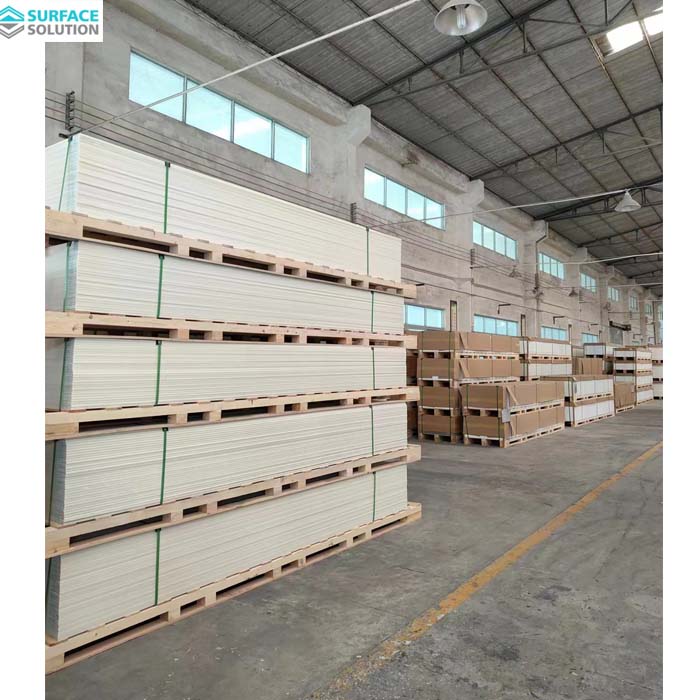 White acrylic solid surface countertops have become a top-tier mainstream choice for modern residential renovation and commercial space design, balancing minimalist timeless aesthetics, superior physical performance and long-term cost-effectiveness. Compared with traditional granite, quartz stone an
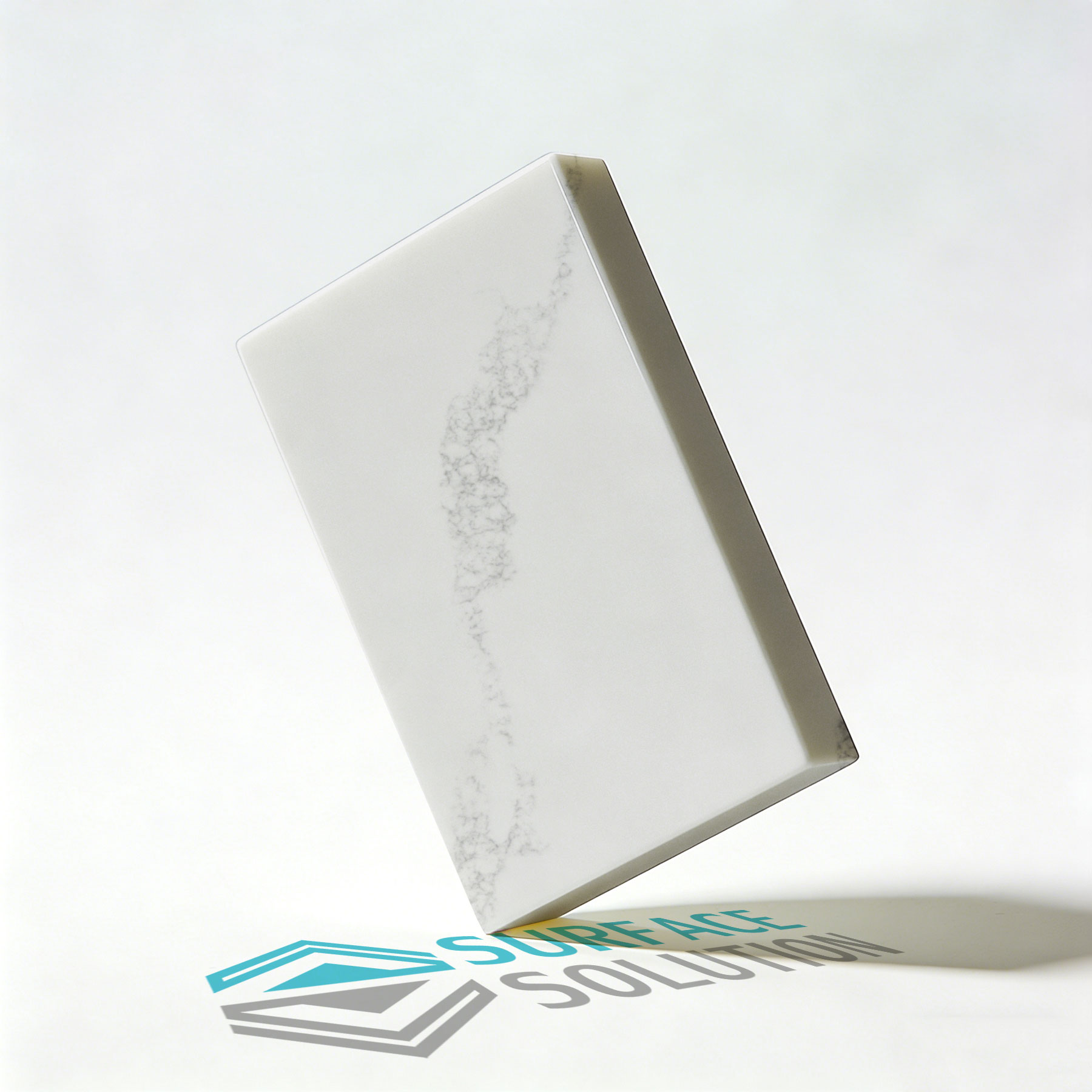 Custom Size Acrylic Solid Surface Panels for Interior RenovationInterior renovation projects often come with non‑standard dimensions, unique layout requirements and personalized design visions. Off‑the‑shelf building materials frequently fail to fit special wall sections, counter layouts or feature


